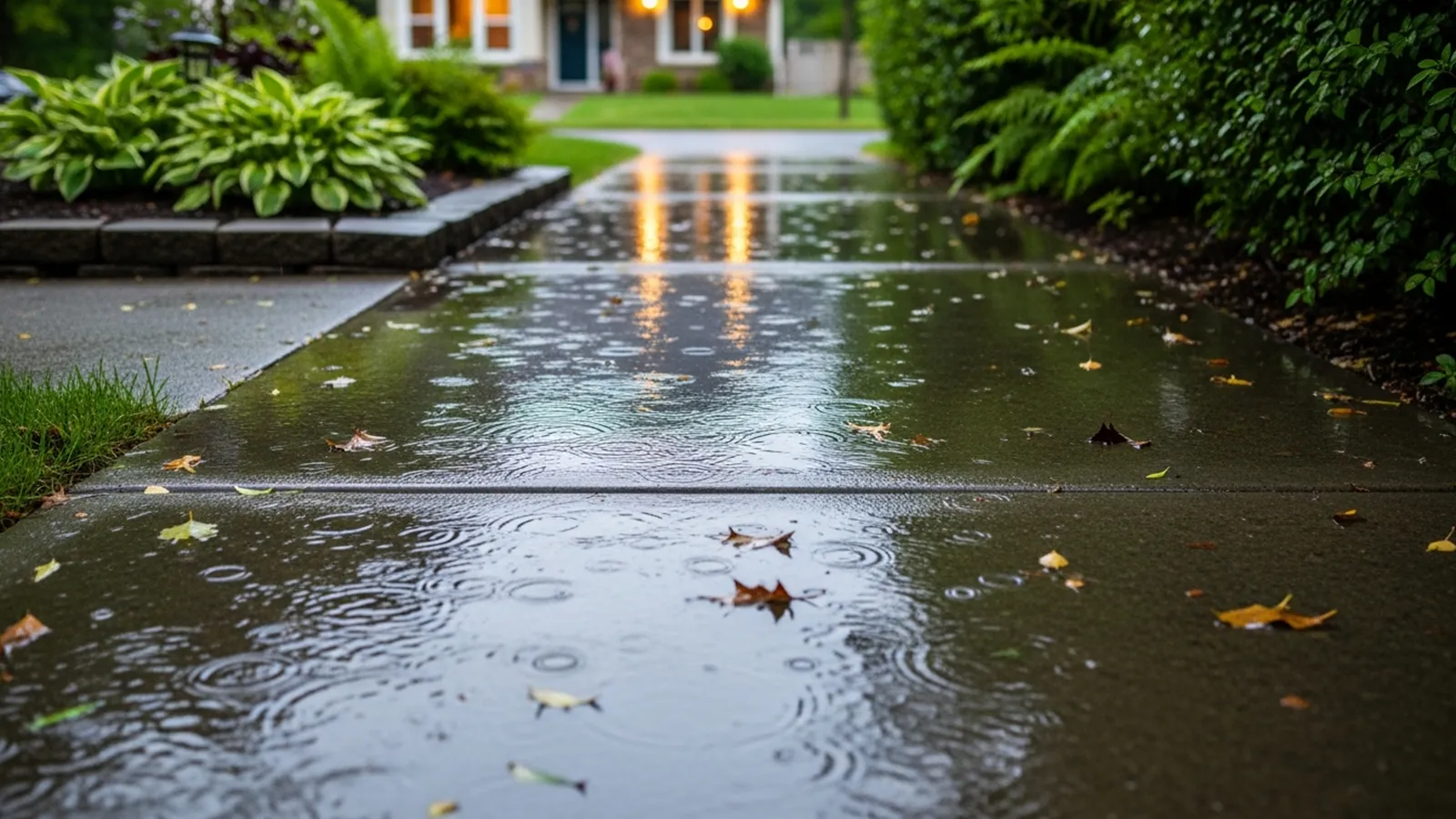
A walkway that has been used for years can suddenly feel different after a light rain. Nothing looks broken or out of place, yet steps feel slightly less stable than usual. That subtle change is often the first sign of a developing slip risk.
Most outdoor falls do not happen during storms or extreme conditions. They happen during normal routines, when surfaces are damp enough to behave differently but not wet enough to trigger caution. The danger lies in how familiar spaces mask small changes.
Slip risk is rarely about a single moment. It builds as moisture, surface wear, and daily use overlap. When these factors line up, even careful movement can lead to a loss of traction.
How Moisture Changes Surface Behavior Underfoot
A surface that feels solid when dry can respond very differently once moisture settles in. A thin layer of water creates a slick boundary between shoes and the ground, reducing grip without changing appearance. This effect is easy to notice when footsteps feel quieter or slightly less controlled. The surface has not changed visually, but its interaction with movement has shifted.
Several small changes usually happen at the same time:
-
Water fills tiny surface textures that normally provide grip.
-
Direct contact between shoe soles and the surface is reduced.
-
Pressure spreads differently across the step, especially during turns.
These changes explain why lightly wet surfaces often feel more dangerous than heavily soaked ones.
Why Slip Risk Increases Gradually, Not Instantly
The first few times a surface gets wet, it often behaves as expected. Over time, however, repeated moisture exposure alters how water spreads and lingers. People notice this when a spot that once dried quickly stays damp longer than before. The change feels gradual, which makes it easy to ignore.
Several factors usually build together:
-
Fine wear smooths high-traffic areas.
-
Moisture begins to spread more evenly instead of draining away.
-
Debris and residue settle into surface textures.
Because habits stay the same, the risk increases quietly while confidence remains unchanged.
The Role of Foot Traffic and Repeated Use
Certain paths get more attention than others, and surfaces respond accordingly. Areas near doors, steps, and corners often feel different underfoot because repeated movement compresses and polishes them. This is noticeable when one section feels slick while the surrounding area does not. The difference comes from how pressure and direction changes concentrate wear.
Repeated use affects surfaces in a few predictable ways:
-
High-contact zones lose texture faster.
-
Moisture spreads more easily along worn paths.
-
Direction changes reduce stability more than straight steps.
Slip risk often appears first where people walk most, not where water looks deepest.
Why Some Wet Surfaces Become Dangerous Faster Than Others
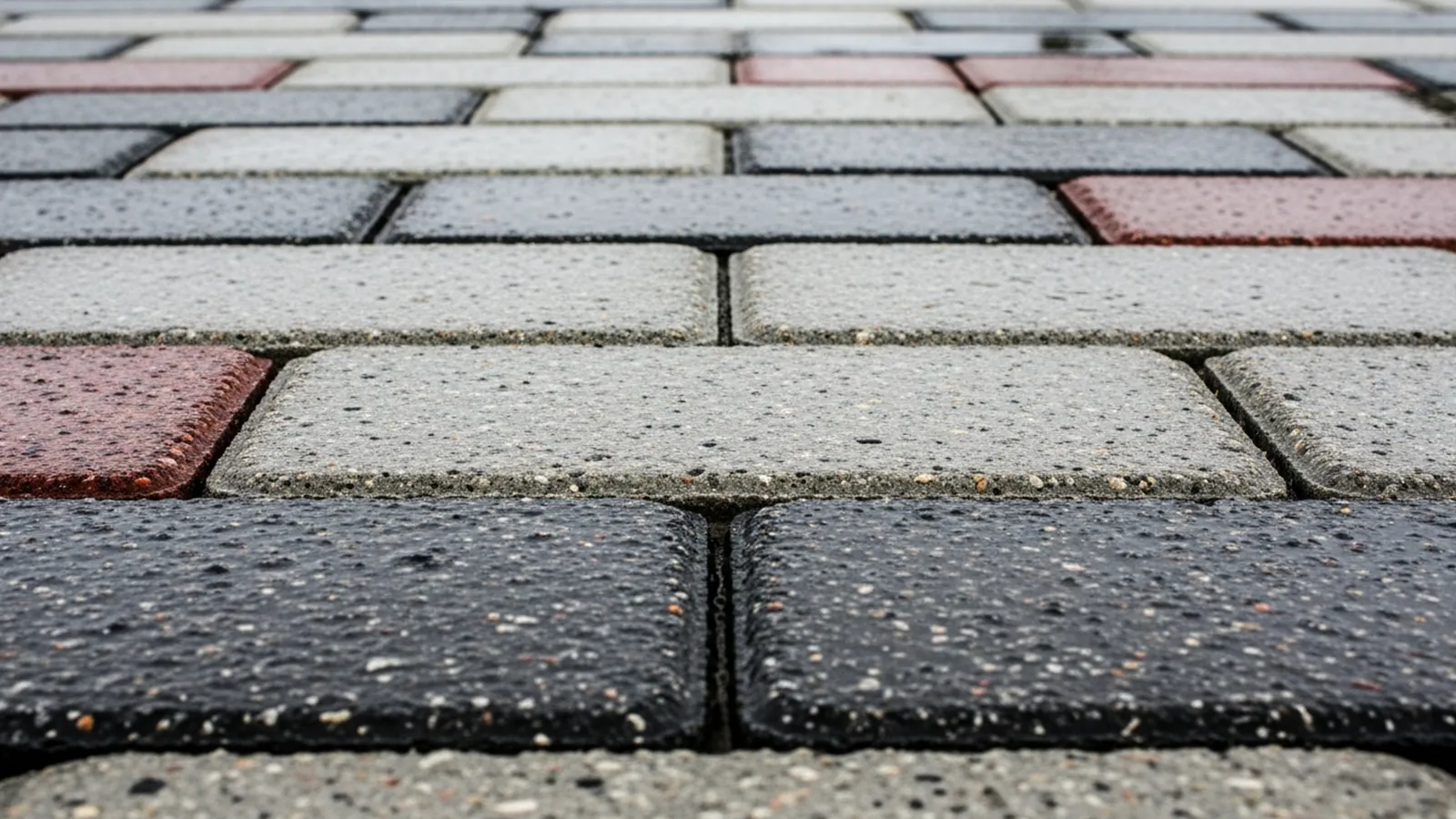
Two outdoor surfaces can get wet at the same time and behave very differently. One may still feel steady, while the other becomes slick almost immediately. The difference usually comes from how the surface holds and releases moisture, not from how wet it looks.
Surfaces tend to vary based on a few shared traits:
-
Texture depth and how easily it clogs.
-
How much water stays at the contact layer.
-
How wear changes the surface over time.
Environmental Conditions That Amplify Slip Risk
A surface that feels safe in one spot may feel risky just a few steps away. Shaded areas dry more slowly, which becomes noticeable when damp patches remain long after nearby areas clear. Drainage patterns also push moisture into walk paths that were never meant to stay wet. These conditions often repeat daily, reinforcing the same problem areas.
Common amplifiers include:
-
Persistent shade that limits evaporation.
-
Low spots where water spreads instead of draining.
-
Cooler surface temperatures that hold moisture longer.
Over time, these factors turn routine walkways into consistently slick zones.
Early Warning Signs Homeowners Often Miss
Most people sense something is off before a slip happens. A surface may look slightly darker, feel smoother, or reflect light differently at certain angles. These changes are easy to notice in passing but easy to dismiss. The body often reacts first by slowing down or adjusting steps without conscious thought.
Early signals tend to show up as:
-
Subtle sheen or gloss under angled light.
-
Uneven drying patterns that repeat.
-
A quiet instinct to step more carefully.
Recognizing these signs early helps explain why slip risk develops and sets the stage for understanding how surface-specific choices influence long-term safety.
How Surface Materials Respond Differently to Moisture
A patio can feel stable in one area and surprisingly slick just a few steps away. That difference usually shows up after rain, when some surfaces seem to recover quickly while others stay unreliable. The reason is not how much water falls, but how each material reacts once it gets wet. Some surfaces let moisture pass through or evaporate, while others hold it right where your foot lands.
Material response often comes down to a few everyday observations:
-
Some surfaces dry unevenly, leaving damp patches in common paths.
-
Others feel cool and slightly slick long after they look dry.
-
Certain areas change texture over time, especially where people walk most.
These differences explain why slip risk is often localized rather than uniform.
Texture, Finish, and the Illusion of Grip
Many outdoor surfaces look textured enough to feel safe. Up close, they may even appear rough or patterned. The problem shows up when moisture fills those tiny grooves, making the surface behave more like a smooth plane. People usually notice this when their foot slides just slightly during a normal step.
This illusion tends to come from a few conditions acting together:
-
Fine textures that clog with water or residue.
-
Worn finishes that look unchanged but feel smoother.
-
Surfaces that grip when dry but lose traction when damp.
The danger is not obvious slipperiness, but misplaced trust in how a surface looks.
Why Outdoor Tiles Are Especially Sensitive to Water
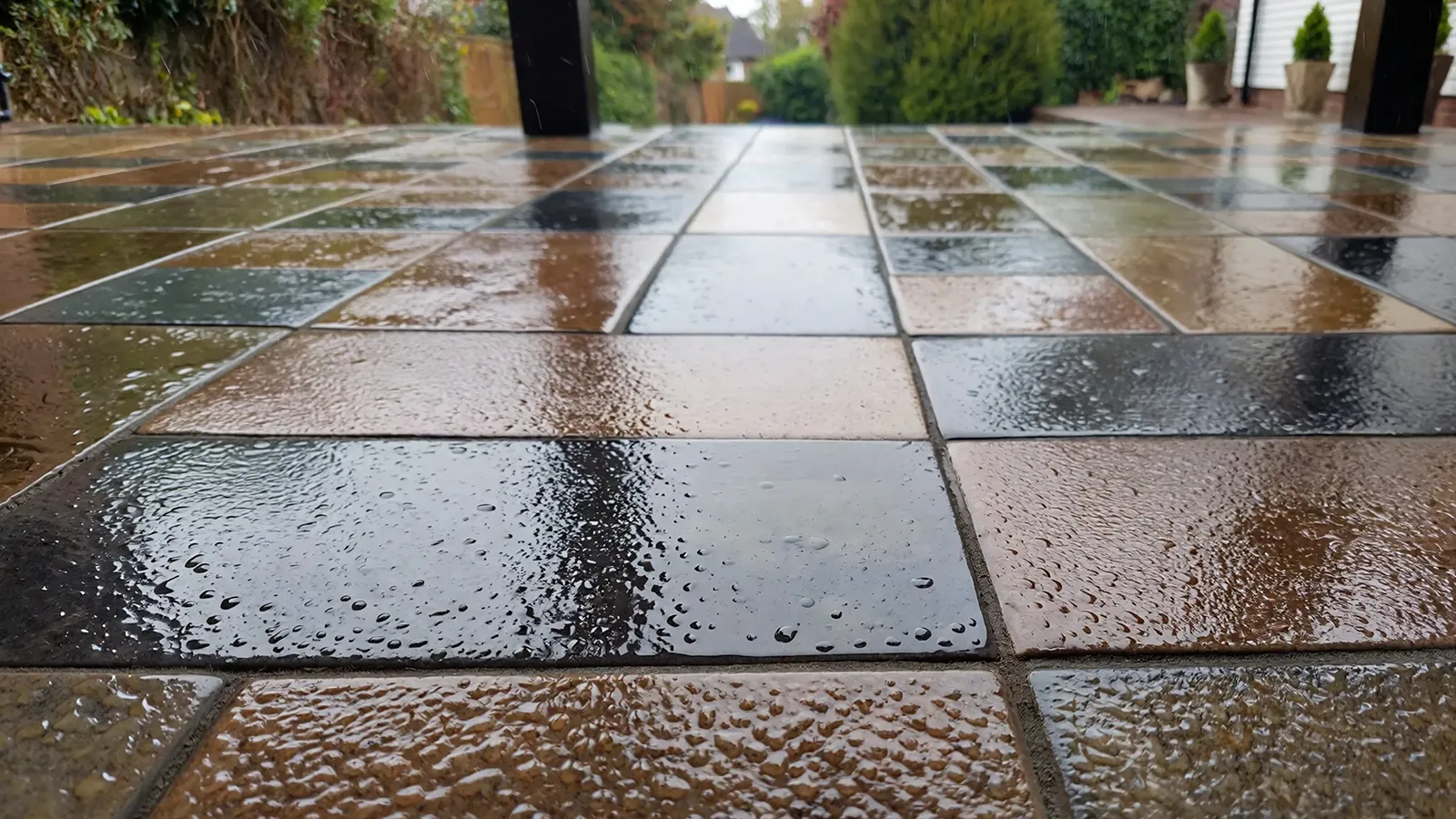
Outdoor tiles often reveal their limits during light rain or morning moisture. Even without puddles, footsteps can feel less secure than expected. This happens because water tends to stay on the tile surface instead of soaking in or draining away. A thin film is enough to change how the tile responds under pressure.
Several traits make tiles more reactive to moisture:
-
Smooth or semi-smooth finishes that encourage water spread.
-
Low absorption that keeps moisture at the surface.
-
Cooler temperatures that slow evaporation.
Stone and Concrete: Different Risks, Similar Outcomes
Stone and concrete often feel dependable because of their weight and solid appearance. Over time, though, frequently used areas can start to behave differently when wet. Stone may slowly polish where people walk most, while concrete can develop a fine surface film from weathering. These changes are subtle and easy to miss.
Common signs tend to include:
-
Smoother-feeling paths along regular walk routes.
-
Reduced grip during turns or stops.
-
Moisture that lingers in worn zones longer than elsewhere.
Despite different materials, the end result is often the same: less predictable traction.
Cleaning Practices That Increase Slip Risk
A freshly cleaned surface often looks safer, but it does not always behave that way. After pressure washing or chemical cleaning, some areas may feel smoother underfoot. This is usually noticed when a surface feels “too clean” or slightly slick once it gets wet. The change may not show up immediately.
Risk tends to increase when:
-
Micro-textures are worn down during aggressive cleaning.
-
Residues remain that attract or hold moisture.
-
Cleaning removes layers that helped manage water.
Because these effects develop slowly, they are rarely linked back to maintenance habits.
How Moisture Lingers After Rain or Irrigation
A surface does not need ongoing rain to stay risky. Dampness often remains after sprinklers shut off or clouds clear, especially in shaded or enclosed areas. This is easy to notice in the evening, when certain paths still feel cool and slick. Moisture that lingers quietly extends the window of slip risk.
Lingering moisture is often linked to:
-
Shade that limits airflow and sunlight.
-
Edges near landscaping where water collects.
-
Temperature drops that slow drying late in the day.
These conditions create the backdrop for how daily movement and behavior affect real-world safety.
How Everyday Habits Influence Slip Risk Outdoors
A familiar path often feels safest, even when conditions quietly change. People walk the same routes every day, carrying groceries, moving quickly, or cutting corners without thinking much about the surface beneath them. Over time, those habits shape how slip risk shows up, especially when moisture is involved. The danger comes from relying on routine while the surface slowly stops behaving the way it used to.
Several habit-driven patterns tend to increase risk:
-
Repeated steps smooth out the same narrow paths.
-
Quick turns and stops reduce stability on damp ground.
-
Carrying items limits balance when traction drops.
Because these habits feel normal, the added risk often goes unnoticed.
Footwear Choices and Loss of Traction
Shoes that feel fine indoors can behave very differently outside. This becomes noticeable when a step feels slightly unstable even though the surface looks unchanged. Worn soles, shallow tread, or soft materials struggle to grip thin moisture layers. The problem is not obvious until traction is already compromised.
Loss of grip often comes from small, familiar factors:
-
Soles that have worn unevenly over time.
-
Footwear designed for comfort rather than outdoor grip.
-
Reduced traction during turns or downhill steps.
The mismatch between shoes and surface usually explains why slips feel sudden.
Pets, Children, and Unpredictable Movement
🐾 A calm walking pace hides many traction issues that fast movement exposes. Pets and children move in short bursts, change direction suddenly, and place uneven pressure on the ground. Wet surfaces amplify these stresses, making slips more likely even when adults feel stable. This difference is often noticed only after a close call.
Unpredictable movement highlights problems such as:
-
Reduced grip during sudden stops.
-
Slippage during sharp turns.
-
Instability when weight shifts quickly.
Surfaces that handle slow walking well may still fail under these conditions.
Seasonal Changes and Compounding Risk Factors
A surface that feels safe most of the year can become unreliable during seasonal transitions. Cooler months slow drying, which becomes noticeable when damp patches linger into the day. Warmer seasons often bring organic buildup that holds moisture close to the surface. These changes overlap rather than replace each other.
Slip risk tends to rise when:
-
Moisture lingers longer due to cooler temperatures.
-
Organic residue builds up in frequently damp areas.
-
Seasonal debris mixes with water on walking paths.
These shifts explain why incidents often cluster during seasonal changes.
When Visual Cues No Longer Match Surface Safety
⚠️ One of the most misleading situations is when a surface looks dry but does not behave that way. This often shows up when light reflects softly off the ground without obvious wet patches. Footsteps feel normal until pressure is applied, and grip suddenly drops. The gap between appearance and performance encourages normal movement in unsafe conditions.
This disconnect is commonly caused by:
-
Thin moisture films that are hard to see.
-
Lighting angles that hide surface sheen.
-
Finishes that mask dampness until stepped on.
Practical Awareness Before Structural Solutions
❌ Slip risk often becomes clear through patterns rather than single events. Certain spots feel slick more often, certain times of day feel less stable, and small adjustments happen without conscious thought. These observations usually appear before any major incident. Paying attention to them helps explain why some areas feel unreliable even without visible damage.
Common early patterns include:
-
Repeated caution in the same locations.
-
Slower movement without a clear reason.
-
Uneven confidence across similar-looking surfaces.
Noticing these patterns frames the problem clearly and supports better long-term decisions without relying on guesswork.
Surface slip resistance: https://www.astm.org