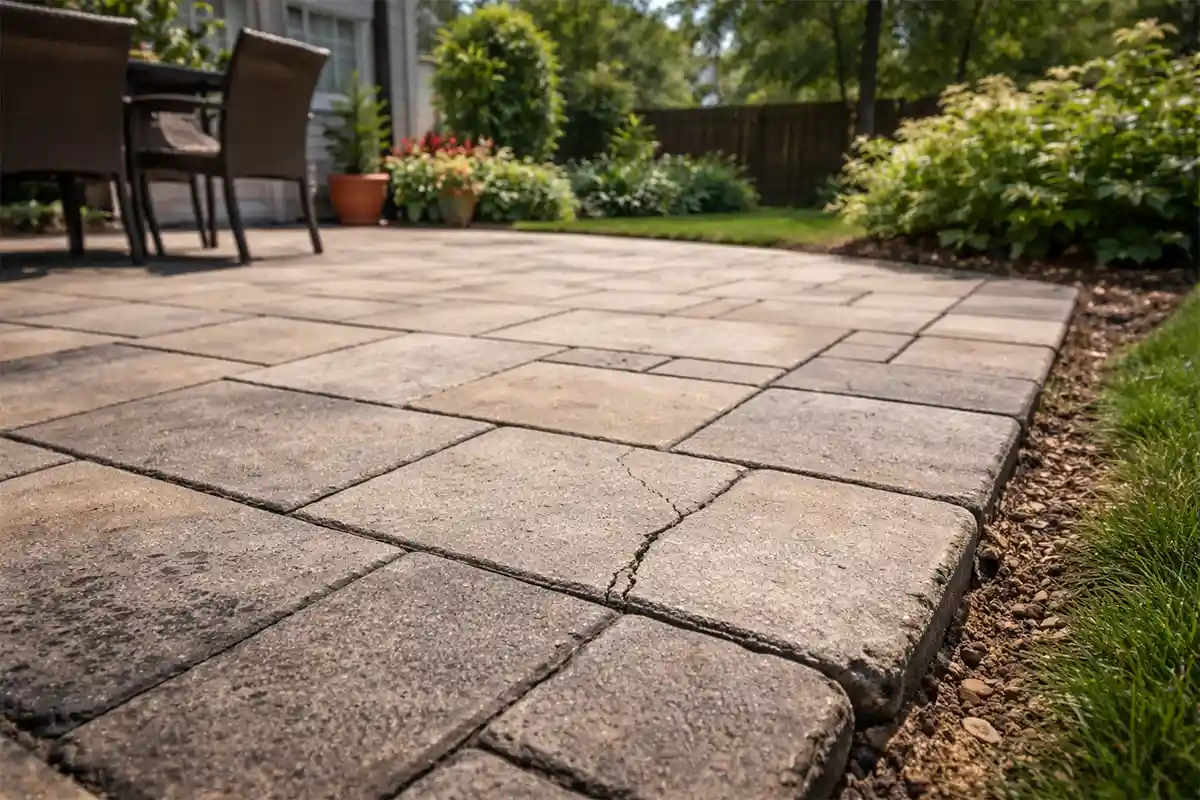
When Outdoor Surfaces Become Unsafe: How to Tell if They’re Slippery or Uneven

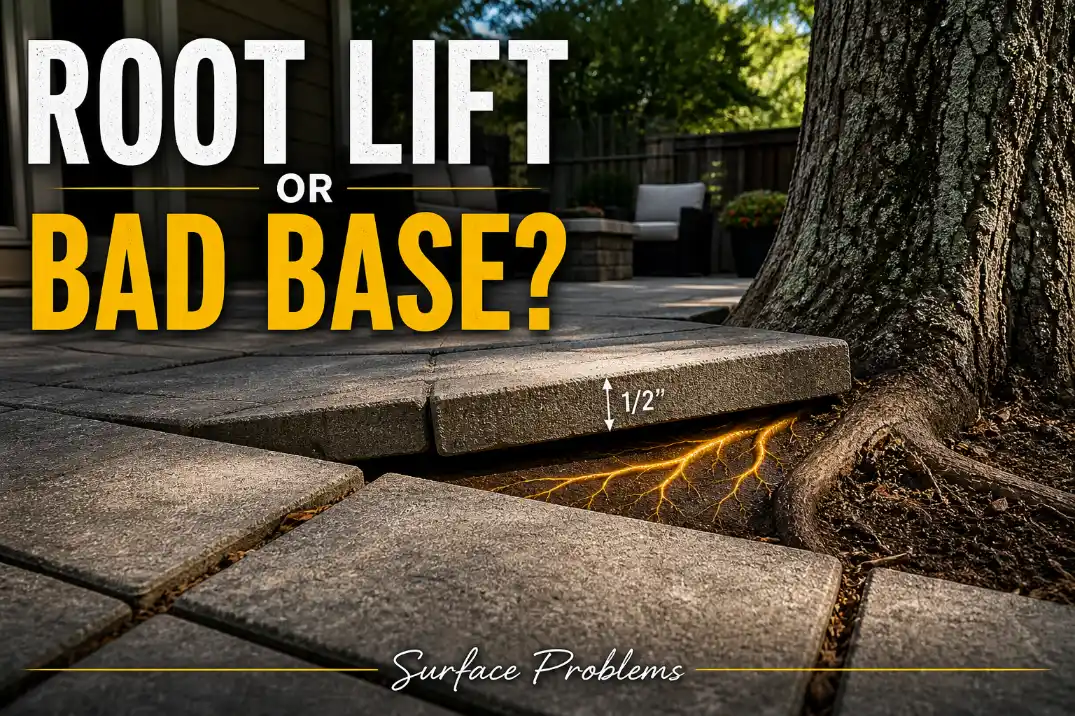
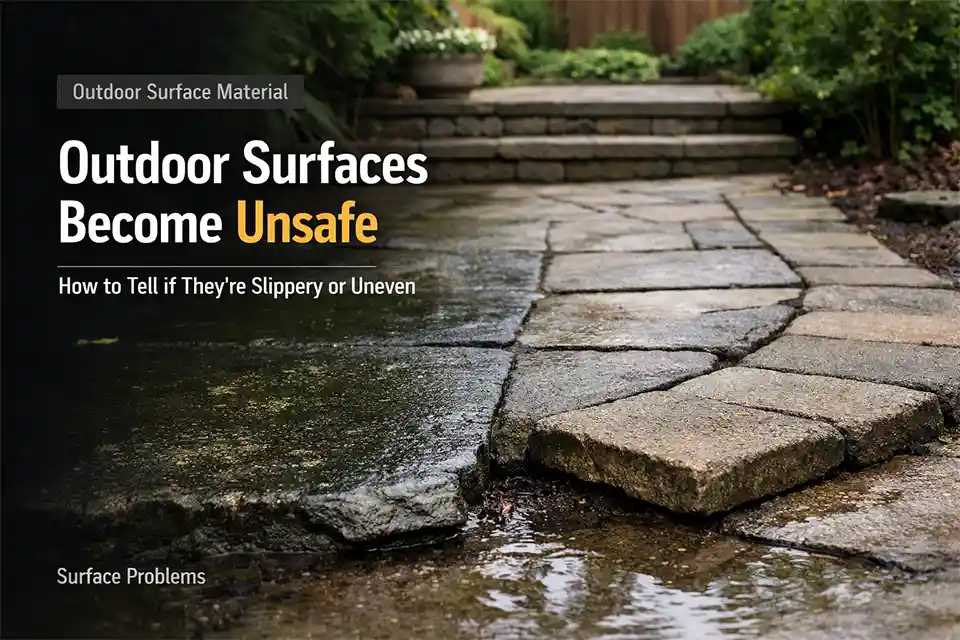
Outdoor walkway with algae-darkened slippery stone and a raised uneven paver edge creating slip and trip hazards

Most unsafe outdoor surfaces fail in one of two ways: they get slippery when wet, or they become uneven even when dry. That split matters because the fixes are different from the start. First, measure any vertical lip between adjacent sections. Once the change gets past about 1/4 inch, it stops being a harmless flaw … Read more

Cosmetic vs Structural Surface Problems: How to Tell the Difference

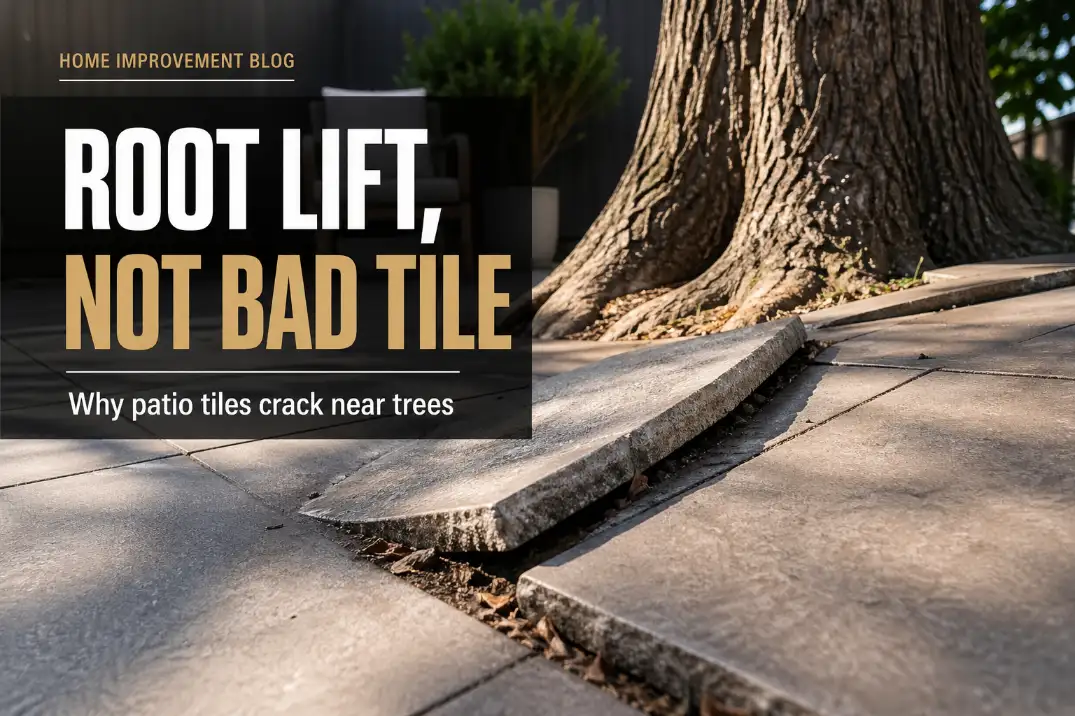
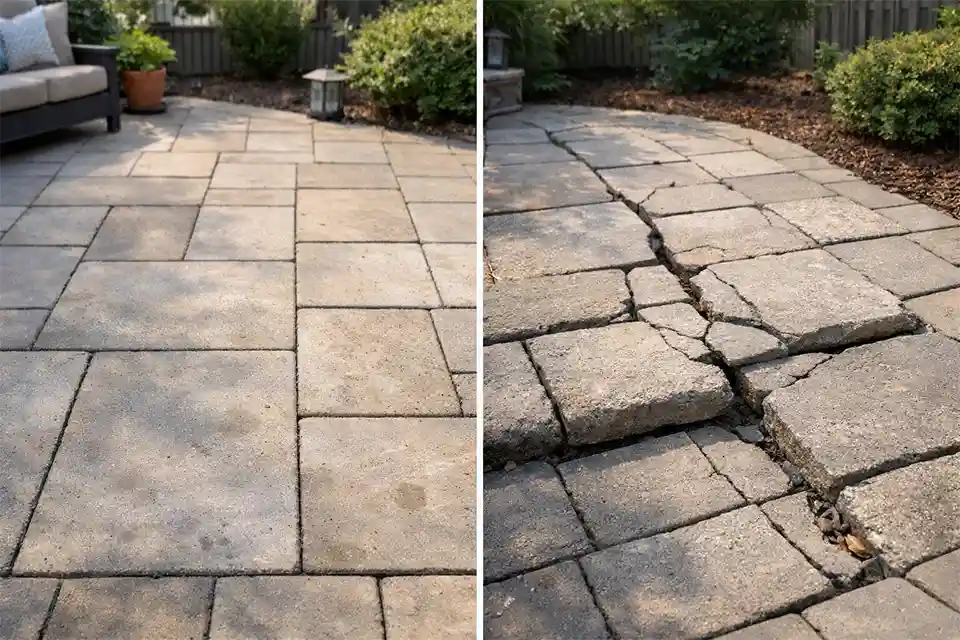
Comparison between cosmetic and structural outdoor surface problems on patio and walkway.

Outdoor surfaces almost never remain perfect indefinitely. Patios, driveways, walkways, and garden paths are constantly exposed to environmental stress—from temperature changes and moisture cycles to soil movement and daily foot traffic. Over time, these forces gradually alter how surfaces look and behave. The challenge for homeowners is determining whether visible damage is cosmetic or structural. … Read more

Early Signs Your Outdoor Surfaces Are Starting to Fail

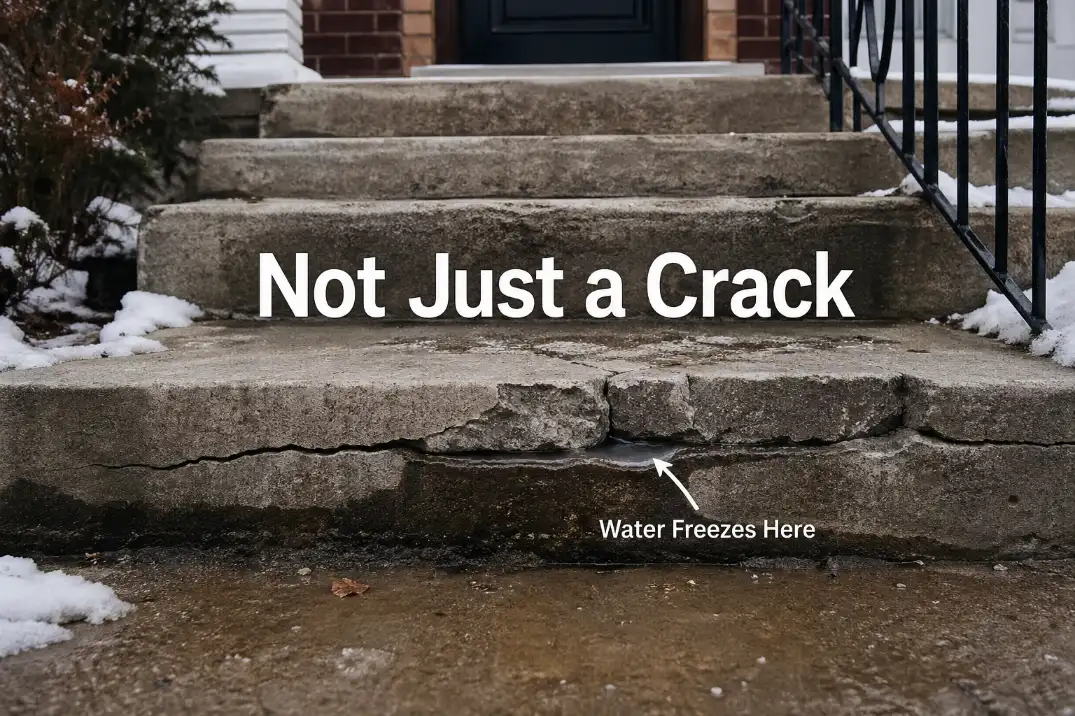
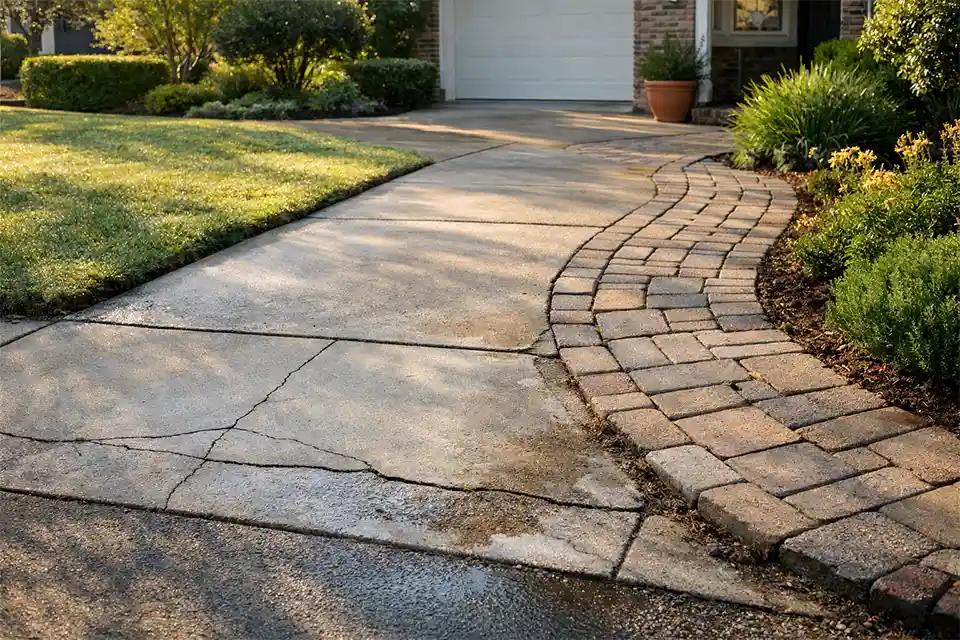
Early warning signs of outdoor surface failure including hairline cracks, shifting pavers, and slight soil settlement on a residential walkway.

Outdoor surfaces rarely fail overnight. In most residential environments, structural deterioration begins slowly with subtle warning signs that appear months—or sometimes years—before serious damage occurs. Small cracks, slightly uneven pavers, recurring moisture stains, or loose aggregates often signal that the structural layers beneath the surface are beginning to weaken. Outdoor walkways, driveways, patios, and garden … Read more

Why Surface Materials Fail Early and How to Prevent It

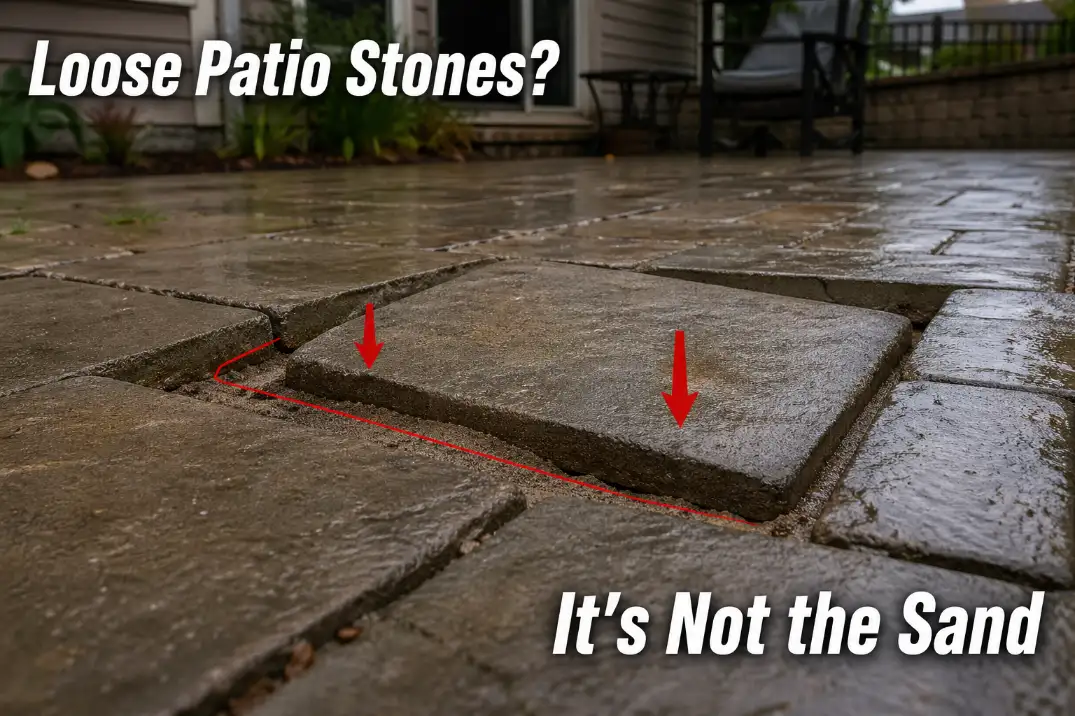
Early-stage cracking and minor settling on a residential outdoor patio surface.

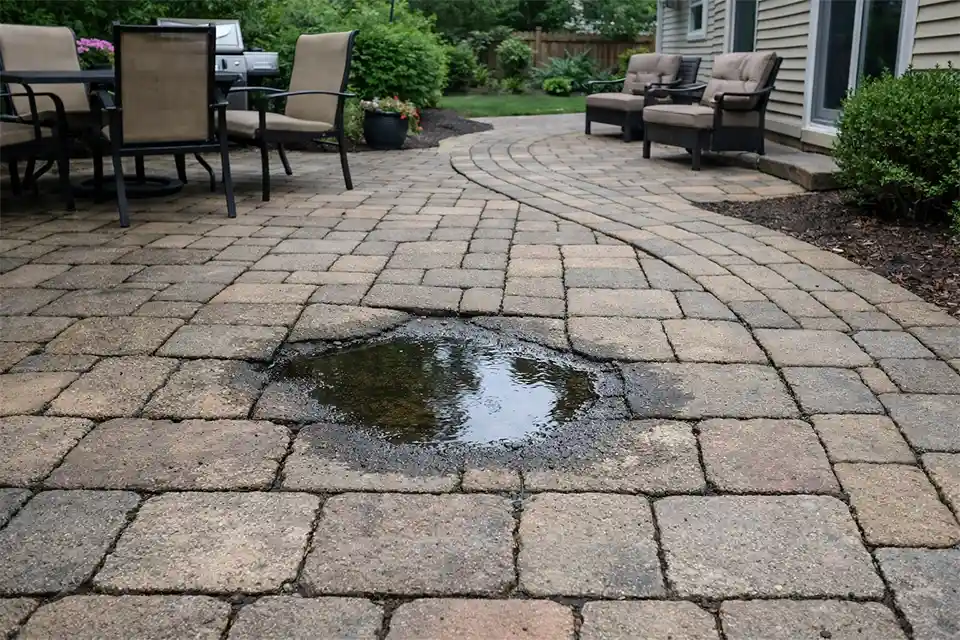
Surface materials fail early because the structural system supporting them loses stability before the surface layer reaches its expected lifespan. The visible cracking or shifting is usually a symptom, not the root cause. In most residential settings, premature deterioration begins below grade. Early failure means damage appearing years ahead of projected durability. Instead of lasting … Read more