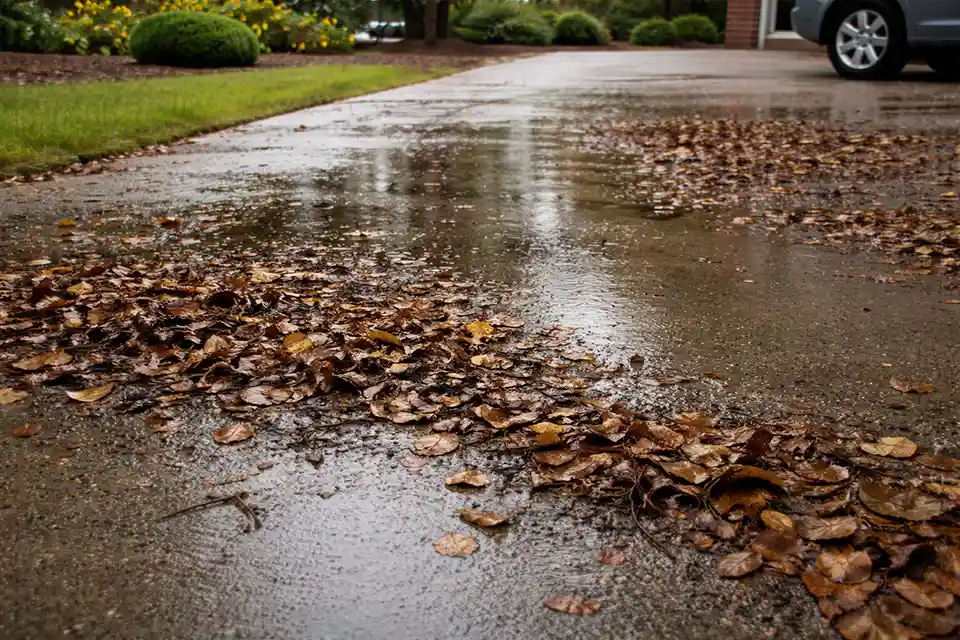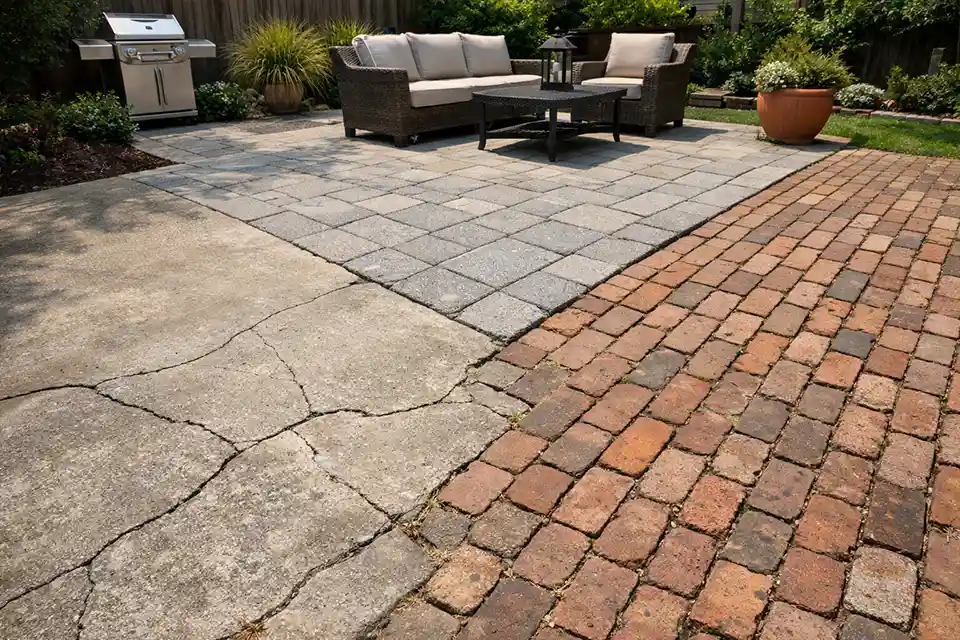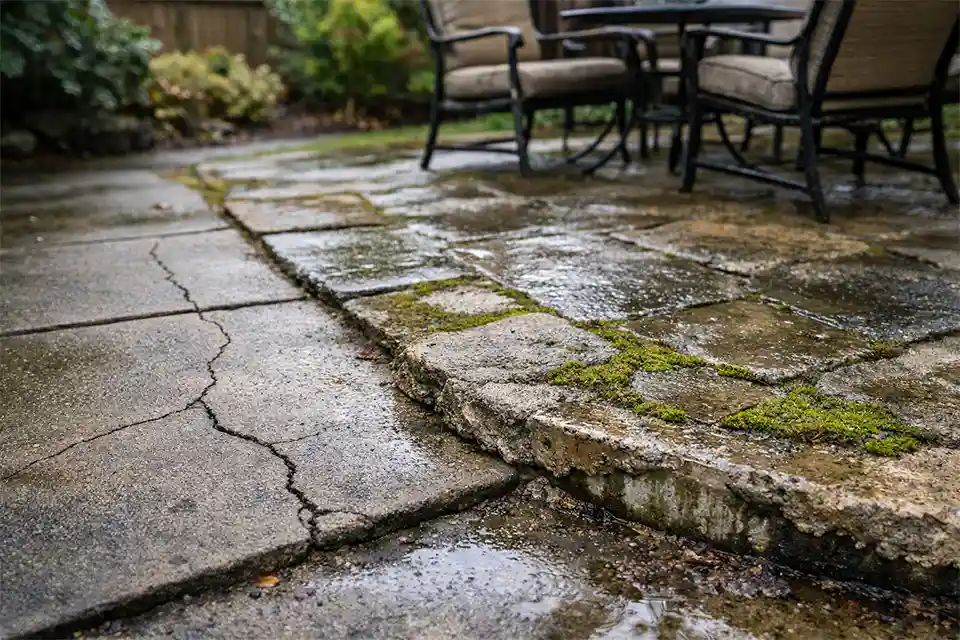
Outdoor surfaces are constantly exposed to environmental stress. Unlike indoor flooring, materials such as concrete, natural stone, brick pavers, and gravel must withstand rain, heat, freezing temperatures, and ultraviolet radiation throughout the year.
These environmental forces rarely cause immediate damage. Instead, deterioration typically develops slowly as moisture enters materials, temperatures expand and contract surface layers, and biological growth begins forming in shaded areas. Over time, these combined effects can weaken the structure of patios, walkways, driveways, and poolside surfaces.
Across the United States, climate plays a major role in how quickly this damage appears. Freezing winters in northern states place heavy stress on porous materials. In humid climates such as Florida, moisture and shade often lead to moss and algae growth. Meanwhile, intense summer heat in Arizona and Nevada accelerates surface fatigue and material drying.
Understanding the mechanisms behind weather exposure helps homeowners recognize early warning signs before surfaces begin cracking, shifting, or becoming unsafe.
Why Weather Exposure Gradually Damages Outdoor Surfaces
Outdoor materials are designed to withstand environmental exposure, but they still have physical limits. The key issue is that most paving materials are not completely waterproof or dimensionally stable.
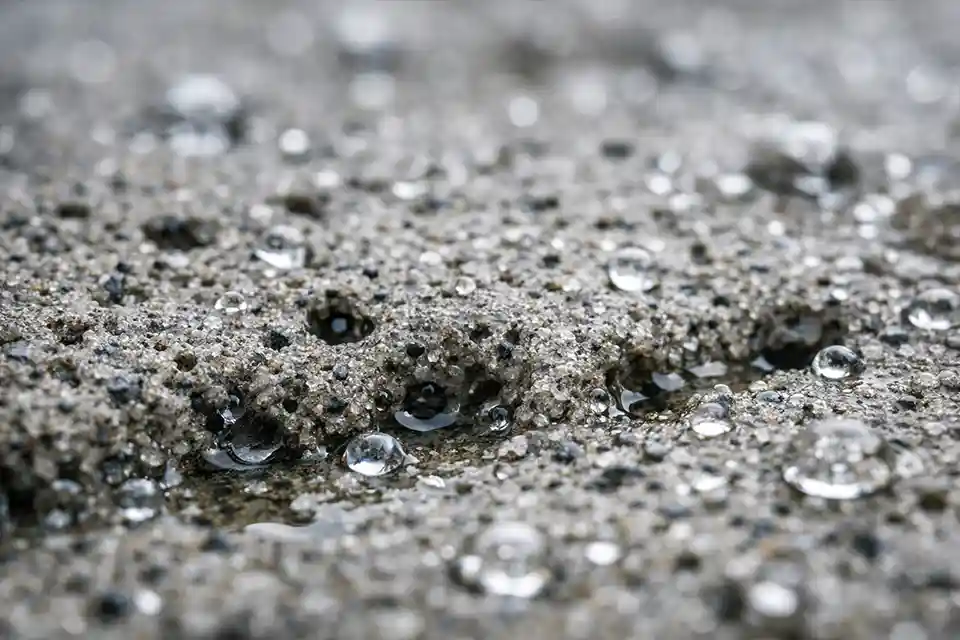
Concrete, natural stone, and brick all contain microscopic pores. These tiny openings allow small amounts of moisture to enter the material through a process known as capillary absorption.
When water enters these pores, several physical changes may occur:
-
internal pressure from freezing moisture
-
mineral expansion within microfractures
-
weakening of surface binders
-
gradual loss of structural cohesion
Even when surfaces appear solid, their internal structure contains interconnected pores that may absorb between 5% and 12% of their volume in moisture, depending on material type.
Once environmental conditions repeatedly introduce water, temperature stress, and ultraviolet exposure, these materials begin to deteriorate from the inside outward.
Moisture Absorption and Capillary Action
One of the most important mechanisms behind weather damage is capillary action, which allows water to travel through small pores inside surface materials.
Concrete and natural stone behave similarly to a sponge on a microscopic level. When rainwater or irrigation reaches the surface, moisture begins moving through pore channels that may measure only 10–100 microns wide.
In moderate rainfall conditions, outdoor paving materials may absorb measurable moisture within 15–30 minutes.
Typical moisture absorption ranges include:
| Material | Typical Water Absorption |
|---|---|
| Concrete | 5–10% |
| Sandstone | 10–20% |
| Granite | 1–3% |
| Clay brick | 8–15% |
| Concrete pavers | 5–8% |
Materials with higher absorption rates are generally more vulnerable to weather damage because moisture can penetrate deeper before evaporating.
Over time, repeated wetting cycles increase the likelihood of internal stress and structural fatigue.
Water infiltration also increases the risk of subsurface soil erosion, especially when drainage is poor. This gradual base loss is explained in detail in Erosion Washout Under Outdoor Surfaces, where water slowly removes supporting soil beneath patios and walkways.
Once the supporting base begins eroding, even structurally sound materials can start shifting or settling.
Freeze–Thaw Expansion and Microfractures
In colder climates, moisture absorption becomes far more destructive when temperatures drop below freezing.
When trapped water freezes at 32°F (0°C), its volume increases by approximately 9%. This expansion creates internal pressure inside pores and microfractures.
Even small internal cracks can widen slightly during each freeze cycle.
Regions that experience frequent winter freeze cycles—such as the Midwest or northern states—often see this pattern repeated 30–60 times per season.
Over several winters, this process can produce visible damage such as:
-
surface scaling
-
flaking concrete
-
widened cracks
-
loose pavers
What begins as microscopic structural stress eventually becomes visible deterioration.
Surfaces that already retain moisture due to poor drainage are particularly vulnerable. Saturated soil beneath paved areas can amplify this problem by allowing surfaces to move or settle unevenly.
Drainage failures often accelerate this process, as discussed in Water Runoff Damaging Outdoor Surfaces, where uncontrolled water flow gradually weakens the base layers supporting outdoor structures.
Thermal Expansion and Heat Stress
Temperature fluctuations also influence outdoor surface durability. Most construction materials expand slightly when heated and contract as temperatures drop.
This movement is called thermal expansion.
While the expansion may appear small, repeated temperature swings can gradually stress surface materials.
Typical expansion rates include:
| Material | Thermal Expansion Rate |
|---|---|
| Concrete | ~10 microstrain per °C |
| Granite | ~7 microstrain per °C |
| Clay brick | ~5 microstrain per °C |
| Porcelain tile | ~6 microstrain per °C |
On a sunny summer day in Arizona, outdoor pavement temperatures can exceed 140°F (60°C) even when the surrounding air temperature is only 100°F.
These extreme conditions can cause daily expansion and contraction cycles.
Over time, these cycles may contribute to:
-
widening joints between pavers
-
loosening of polymeric sand
-
stress on mortar joints
-
surface fatigue
Materials that were installed without proper expansion gaps or flexible joints are especially vulnerable to this form of stress.
Environmental Conditions That Accelerate Weather Damage
Not all climates produce the same types of surface deterioration.
Different regions of the United States expose outdoor materials to unique combinations of environmental stress.
| Environmental Condition | Typical Region | Impact on Surfaces | Result |
|---|---|---|---|
| Freeze–thaw cycles | Northern states | Internal cracking | Surface scaling |
| High humidity | Florida, Gulf Coast | Moss and algae growth | Slippery surfaces |
| Extreme heat | Arizona, Nevada | Binder degradation | Surface brittleness |
| Heavy rainfall | Midwest | Soil saturation | Base instability |
| Coastal moisture | California coast | Salt exposure | Material corrosion |
According to the National Oceanic and Atmospheric Administration, regional climate patterns significantly influence the long-term durability of exposed building materials and outdoor infrastructure.
Residential outdoor surfaces behave similarly to larger civil infrastructure systems, though on a smaller scale.
Biological Growth on Moisture-Exposed Surfaces
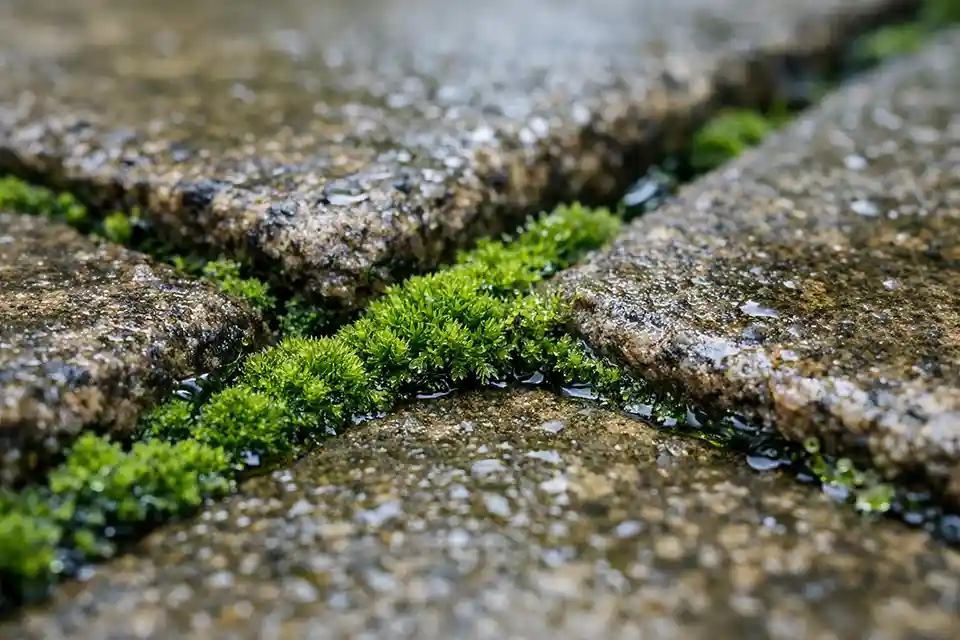
Moisture and shade create ideal environments for biological organisms such as moss, algae, and mold.
These organisms thrive when surfaces remain damp for extended periods and receive limited direct sunlight.
Conditions that commonly encourage growth include:
-
humidity levels above 70%
-
shaded north-facing patios
-
irrigation overspray
-
poor air circulation around surfaces
Once biological growth begins forming, it creates a thin organic film that reduces friction on the surface.
Even textured stone or concrete can become slippery when this film develops.
This problem is especially common around pools and shaded patios where moisture remains trapped. Effective cleaning strategies are explained in Best Way to Clean Mold and Moss Off Outdoor Surfaces, which covers methods for safely removing biological buildup before it spreads.
Unchecked growth can increase slip risk by 30–50%, particularly after rainfall.
Early Warning Signs of Weather-Related Surface Damage
Many outdoor surface problems develop slowly before major structural damage becomes visible.
Recognizing early warning signs can help prevent costly repairs.
Quick Diagnostic Checklist
Look for these indicators during routine inspections:
-
small cracks widening each winter
-
water stains remaining after rainfall
-
loose or shifting pavers
-
green patches of moss or algae
-
soft or sinking edges near patios or walkways
-
surfaces becoming slippery after rain
These signs often indicate that moisture is interacting with both the surface material and the soil beneath it.
When base layers begin shifting, surfaces may gradually become uneven. In many cases, this occurs as the ground slowly moves over time, a process explained in Why Outdoor Surfaces Shift Over Time.
Detecting these signals early can help prevent larger structural issues from developing.