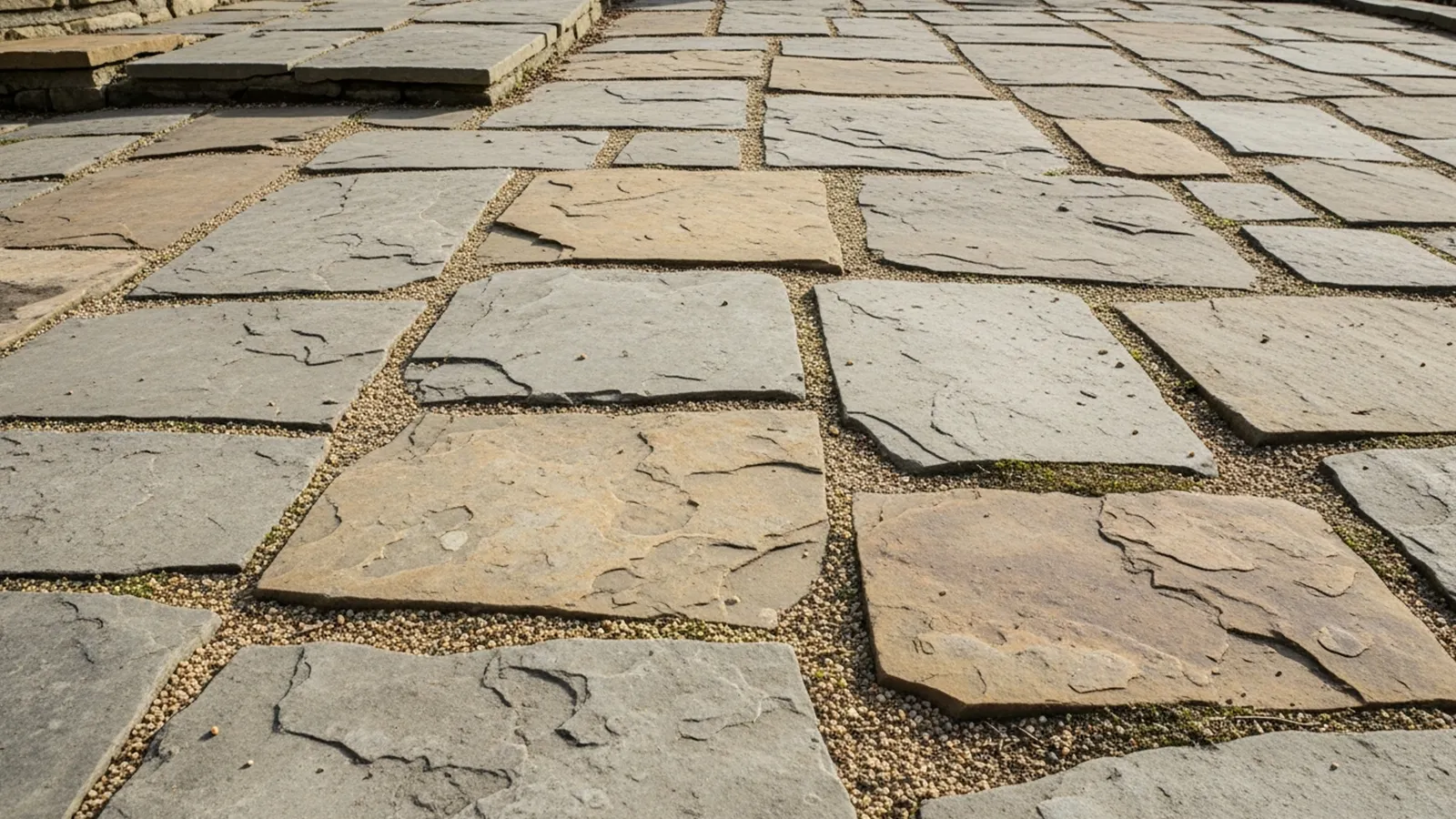
An outdoor surface often looks solid and permanent when it is first installed. Over time, small changes underfoot can make that same area feel uneven, tilted, or slightly unstable.
What makes these changes confusing is how quietly they develop. Most movement starts below the surface, long before cracks, dips, or raised edges become obvious.
Instead of one clear failure, shifting usually reflects how natural ground behavior interacts with weather, water, and everyday use. Once those forces begin working together, movement becomes a matter of when, not if.
Natural Soil Is Not a Fixed Material
✔️ A patio or walkway can feel firm one day and subtly different months later, even without visible damage. That change often comes from soil acting less like concrete and more like a flexible layer that adjusts under pressure. Depending on its type, soil may swell after rain, shrink during dry spells, or slowly compress under weight. These small changes add up, and the surface above follows along.
Soil rarely behaves the same way across an entire area. Differences in composition can exist within short distances, especially where land was filled or reworked. This creates uneven support that shows up as isolated dips or raised corners rather than a smooth slope. Common contributors include:
-
Clay soil expanding when wet and tightening as it dries.
-
Sandy soil shifting when particles lose friction.
-
Mixed fill settling at different speeds under the same load.
Once uneven movement starts, gravity and water tend to make it more noticeable instead of correcting it.
Water Movement Beneath Outdoor Surfaces
⚠️ Pooled water or damp patches near a surface often hint at deeper changes below. Water moves through soil layers, carrying fine particles with it and leaving behind small gaps. As these gaps form, the ground loses its ability to hold weight evenly. In colder areas, freeze-thaw cycles intensify the effect by pushing soil upward and letting it drop back unevenly.
Water rarely spreads evenly underground. Instead, it follows paths shaped by slope, soil type, and surface features. Movement is more likely where moisture repeatedly collects, such as near edges or low spots. Common patterns include:
-
Runoff concentrating near downspouts or drains.
-
Rainwater flowing beneath sloped walkways.
-
Moisture lingering under shaded or enclosed areas.
These patterns explain why shifting often mirrors drainage routes rather than surface design.
Load, Use, and Everyday Pressure
💡 Areas that feel softer or slightly tilted are often the same spots used most often. Daily foot traffic, furniture placement, grills, and storage items all apply pressure to the same sections again and again. While each load seems small, repeated pressure slowly compresses the soil below. Over time, that compression changes how the surface sits.
Not all areas experience the same stress. Edges and corners usually have less support and respond faster to pressure. Usage differences create uneven outcomes, such as:
-
Walk paths settling faster than decorative areas.
-
Furniture legs compressing soil in fixed spots.
-
Heavy items causing subtle depressions near edges.
These changes develop gradually, making them easy to miss until the surface no longer feels level.
Weather Patterns and Seasonal Ground Response
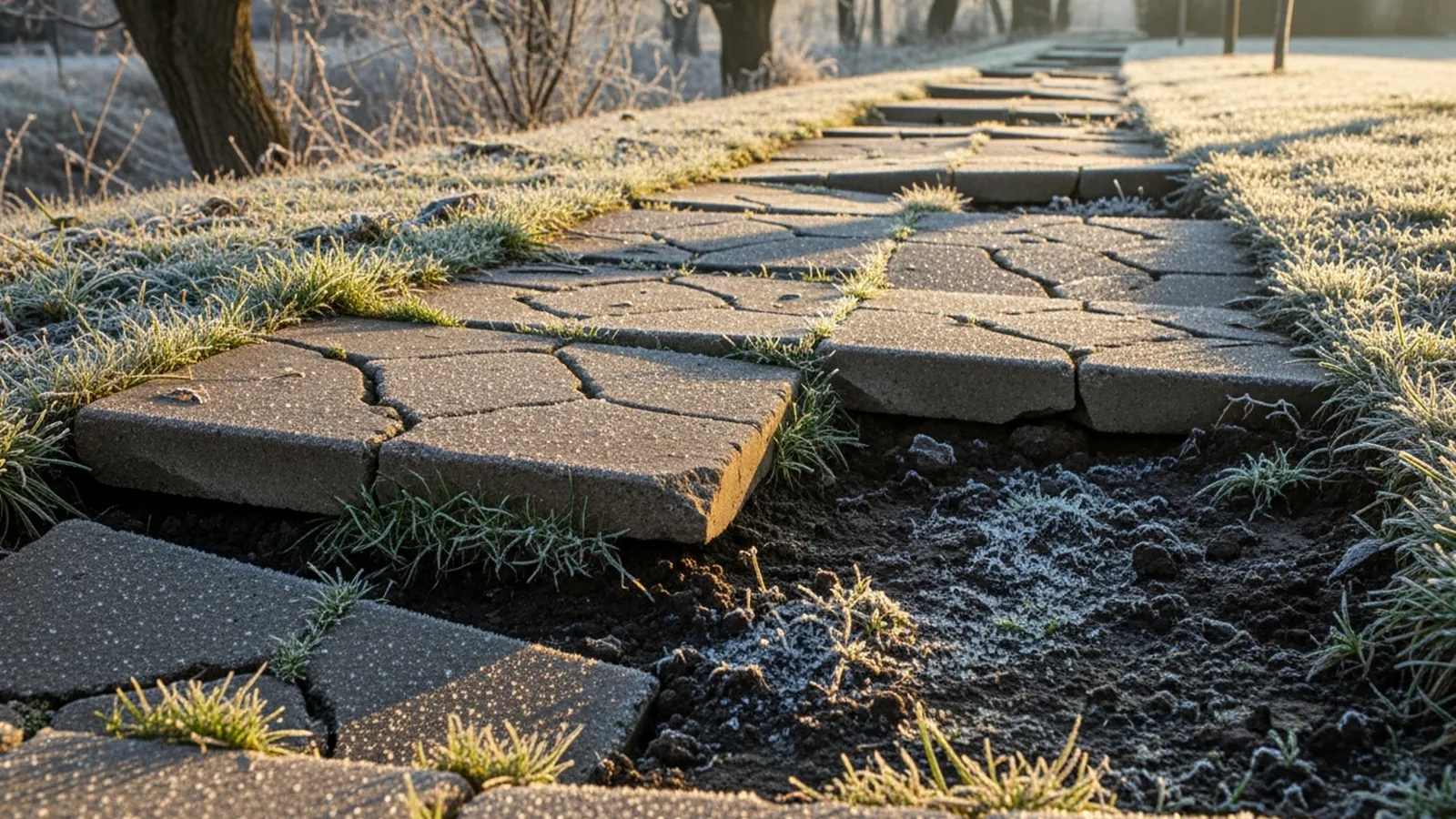
❌ Surfaces that feel level in summer can feel different after winter passes. Seasonal temperature changes cause soil to expand and contract, especially when moisture is involved. Freezing conditions push the ground upward, while thawing allows it to settle again in a slightly altered position. Over multiple seasons, these shifts become permanent.
Even without freezing temperatures, seasonal rainfall patterns affect stability. Long wet periods soften soil, while extended dry spells cause shrinkage. Together, these cycles weaken support beneath surfaces through:
-
Repeated expansion and contraction.
-
Gradual loss of soil density.
-
Increased sensitivity to weight and moisture.
The surface reflects these seasonal rhythms long after the weather changes.
Construction History and Hidden Disturbances
🐾 A surface may sit on ground that was already disturbed years earlier. Utility work, tree removal, grading, or previous landscaping can all break up natural soil structure. Backfilled areas, even when compacted, behave differently than undisturbed ground. That difference often shows up long after installation.
Movement linked to past disturbances tends to appear slowly. Soil continues adjusting as it responds to moisture and pressure, sometimes for years. Common hidden factors include:
-
Old trenches beneath walkways.
-
Filled areas settling unevenly over time.
-
Soil layers compacted at different stages.
These conditions explain why a surface can shift even when installation quality was high.
Why Shifting Rarely Has a Single Cause
✔️ When a surface starts to move, it rarely points to one clear mistake. Instead, several small influences overlap and reinforce each other. Soil type, water exposure, weather cycles, and usage patterns combine in ways that amplify movement. Removing just one factor often slows change but does not stop it.
This layered interaction shapes long-term behavior. Outdoor surfaces exist in environments that constantly change, not controlled indoor settings. Understanding this helps set realistic expectations by recognizing that:
-
Some movement is natural over time.
-
Stability depends on multiple conditions working together.
-
Design and maintenance influence how fast changes appear.
Seeing movement as a process rather than a failure makes surface behavior easier to understand.
How Ground Composition Influences Surface Stability
✔️ One yard can feel solid year after year, while a nearby one starts dipping or shifting even though they look similar. The difference often comes down to what the ground is made of below the surface. Some soils swell when they absorb water, others drain quickly but slide more easily under pressure. These behaviors shape how stable a surface feels over time, even if everything looked fine at installation.
Soil layers also matter as much as soil type. A firm top layer can sit above looser material that slowly compresses once weight and moisture reach it. This delayed reaction explains why surfaces sometimes shift long after construction. Common ground-related influences include:
-
Clay-heavy soil changing size with moisture.
-
Sandy soil losing support when particles move.
-
Mixed soil layers settling at different speeds.
What you feel underfoot is often the combined effect of these hidden layers responding differently to the same conditions.
Drainage Design and Long-Term Movement Risk
⚠️ A surface that stays damp longer than surrounding areas often signals uneven drainage below. Water does not just sit on top; it travels through soil, changing how well the ground can hold weight. When runoff repeatedly flows toward the same underground path, that area weakens faster than others. Over time, the surface above reflects that imbalance.
Drainage problems rarely announce themselves clearly. Small shifts in water flow can slowly reshape subsurface conditions through patterns such as:
-
Runoff concentrating near edges or low points.
-
Downspouts directing water beneath walkways.
-
Moisture lingering where airflow and sunlight are limited.
Soil exposed to constant moisture changes experiences more stress than soil kept relatively consistent, making long-term movement more likely.
The Role of Compaction Quality During Installation
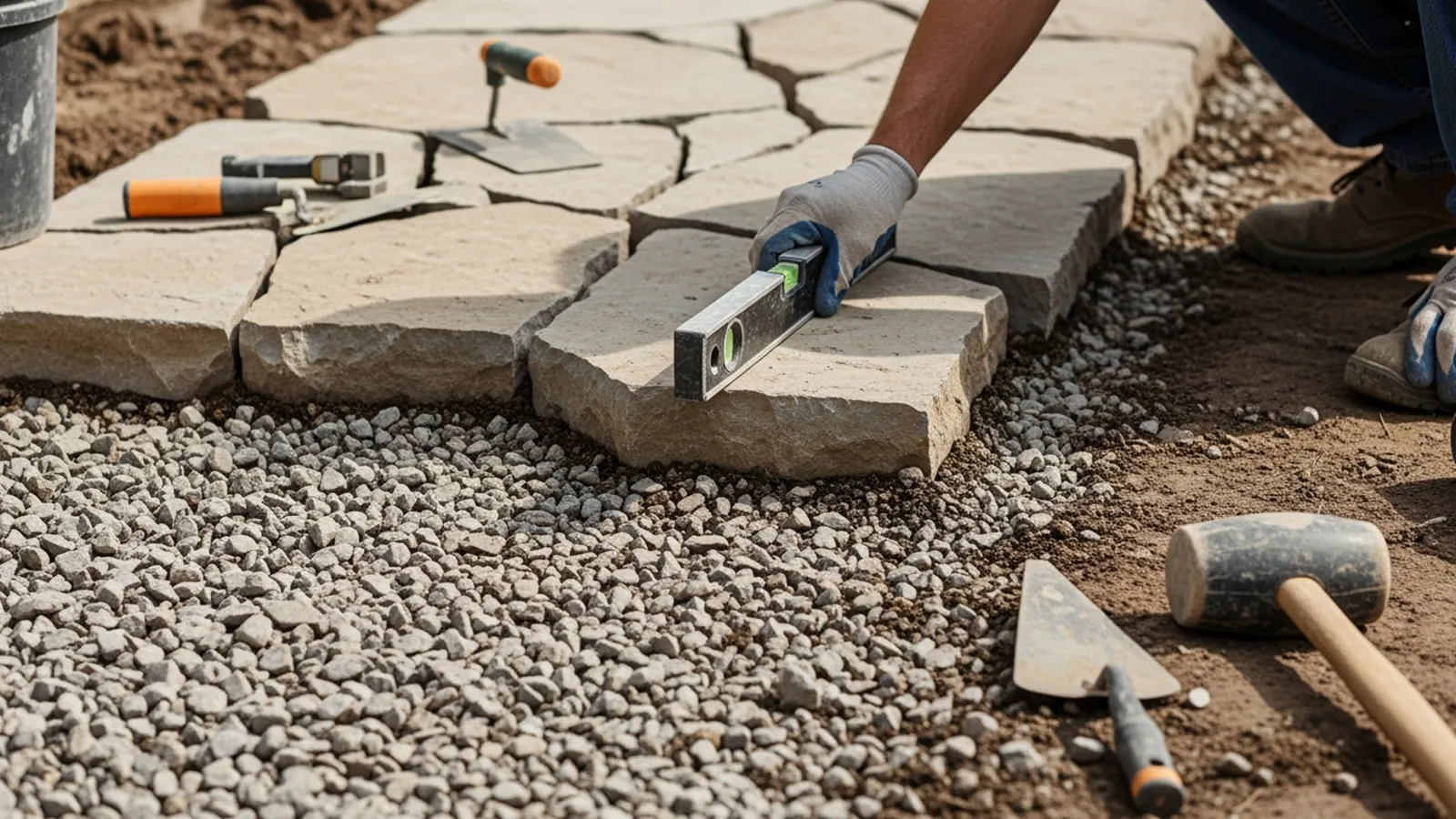
💡 Areas that feel slightly soft or uneven years later often trace back to how the ground was packed at the start. Soil that looks firm can still contain air pockets that slowly collapse under regular use. Compaction quality depends heavily on moisture levels at the time of installation, which affects how tightly particles bind together. Even small inconsistencies can matter later.
Edges and tight spaces are especially vulnerable. These spots are harder to compact evenly and tend to settle faster. Typical compaction-related patterns include:
-
Corners dipping before central areas.
-
Edges pulling away from fixed structures.
-
Sections shifting without visible surface damage.
These changes do not mean the installation failed outright; they reflect how soil continues responding to early conditions.
Environmental Changes That Alter Ground Behavior
✔️ Surfaces that stayed stable for years can begin moving after nearby changes occur. New landscaping, added structures, or even changes in climate patterns alter how soil behaves. Tree roots spread, drawing moisture from new areas, while added hardscapes redirect water flow underground. These shifts gradually reshape support conditions beneath existing surfaces.
The ground adapts to its environment rather than staying fixed in its original state. Over time, this adjustment can introduce movement through factors such as:
-
Roots displacing soil as they expand.
-
Moisture patterns changing after yard modifications.
-
Longer wet or dry seasons altering soil response.
These influences explain why movement can appear long after installation without any obvious trigger.
Early Indicators That Movement Is Developing
🐾 Many people first notice movement through feel rather than sight. A slight rock underfoot, a joint that opens a bit wider, or water collecting where it never did before often signals change below. These signs may come and go at first, making them easy to ignore. Still, they usually point to active ground behavior.
Early indicators often appear as small, repeatable changes, such as:
-
Pavers shifting slightly when stepped on.
-
Gaps forming between surface elements.
-
Drainage patterns subtly changing.
Catching these signals early helps explain what the ground is doing before the surface visibly distorts.
Why Some Areas Continue to Shift After Repairs
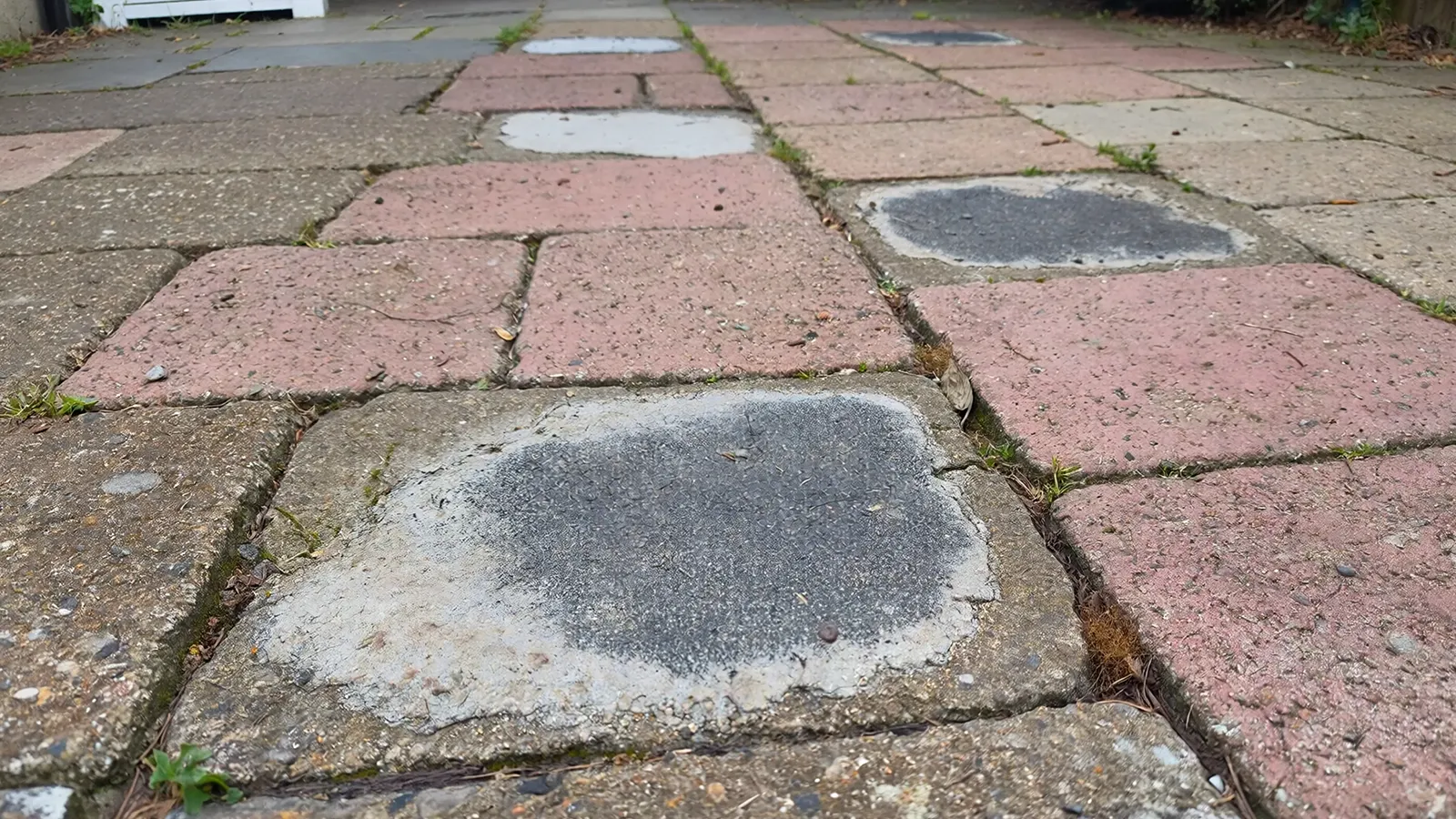
❌ A surface that looks fixed after repair can start shifting again within months. That usually means the work addressed appearance but not the conditions below. If soil behavior stays the same, the surface simply follows along again. This cycle can feel confusing when repairs seem thorough.
Lasting stability depends on whether deeper issues are reduced, not just covered. Continued movement often connects to:
-
Ongoing drainage imbalance.
-
Unchanged soil compaction below repairs.
-
Repeated stress from use or nearby structures.
Long-Term Soil Behavior Beneath Outdoor Surfaces
✔️ A surface can feel stable for a long time and then slowly start changing without any clear event triggering it. That often happens because soil keeps adjusting long after installation, even when nothing visible is happening above. Fine particles shift downward, air pockets collapse, and the ground becomes denser in some spots than others. These slow changes alter how weight is carried, which eventually shows up as unevenness at the surface.
This process rarely happens at the same speed everywhere. Some sections settle quickly and stabilize, while others keep adjusting for years. Factors that influence this uneven pace include:
-
Differences in soil depth beneath the surface.
-
Variations in moisture reaching lower layers.
-
Uneven pressure from use or nearby structures.
Because this happens gradually, movement can feel sudden even though it has been building quietly over time.
The Influence of Surrounding Structures and Hardscapes
⚠️ A walkway or patio does not exist on its own; it shares ground with everything around it. Nearby driveways, foundations, retaining walls, and fences all press on the same soil system. When one area takes on extra load, nearby ground may respond by settling or shifting. These interactions are subtle and easy to miss until movement becomes visible.
Changes around a surface can also redirect water underground. New hardscapes alter how moisture flows and where it collects. Common effects include:
-
Soil compacting near heavy structures.
-
Moisture being trapped between hard surfaces.
-
Pressure shifting toward softer ground nearby.
These combined forces explain why movement sometimes appears after nearby construction rather than from the surface itself.
How Vegetation Gradually Alters Ground Stability
💡 A surface may start shifting near trees or shrubs even if those plants seem far enough away. Roots grow outward and downward, pushing soil aside and drawing moisture from surrounding areas. As soil dries unevenly, it shrinks and loses support in specific spots. Over time, this creates subtle changes in how the surface sits.
Seasonal plant cycles add another layer of movement. During growth periods, roots pull more moisture, while dormant seasons allow water to return. This back-and-forth affects soil through patterns such as:
-
Localized drying near active roots.
-
Small voids left by decaying root systems.
-
Changes in drainage paths underground.
Even after vegetation is removed, these effects can continue influencing stability.
Maintenance Patterns That Influence Surface Longevity
✔️ Small maintenance habits often show up in how a surface ages. Areas that are frequently power washed, for example, may lose joint material and allow more water to reach the base. Letting water pool or repeatedly pile snow in the same spot increases moisture stress below. Over time, these patterns shape how the ground responds.
Maintenance influences movement through repeated exposure rather than single actions. Common contributors include:
-
Water entering joints and base layers.
-
Weight concentrating in fixed locations.
-
Moisture lingering after cleaning or weather events.
Consistent care helps reduce uneven stress, even though it cannot stop natural ground movement entirely.
When Surface Movement Signals Deeper Soil Activity
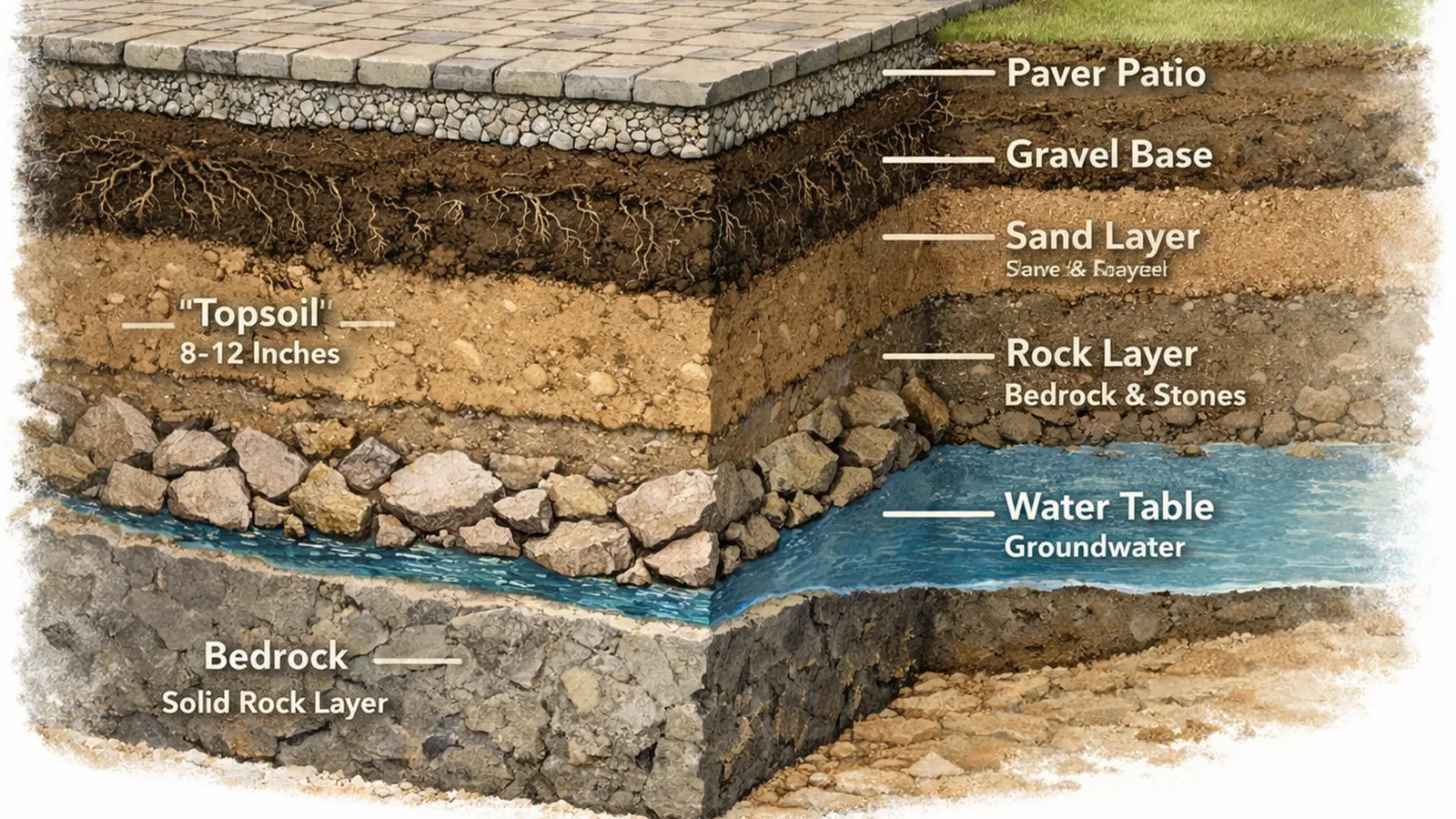
❌ Some surface changes point to more than minor settling. Repeated misalignment, widening gaps, or spreading unevenness often indicate deeper soil activity. These signs suggest that movement is happening across a broader area, not just under one section. In these cases, surface fixes alone rarely hold.
Patterns linked to deeper movement often include:
-
Multiple sections shifting together.
-
Changes continuing after repeated repairs.
-
Movement extending beyond the original problem area.
Accepting Movement as a Design Reality
✔️ Outdoor surfaces change because the ground beneath them is always responding to its environment. Weather, water, soil type, and daily use all play a role in that response. Expecting complete permanence often leads to frustration when small shifts appear. Recognizing movement as part of outdoor life reframes how surfaces are evaluated.
Surfaces designed with this reality in mind tend to age more smoothly. Flexible layouts and materials accommodate change better than rigid systems. When movement is expected rather than resisted, it becomes easier to manage and understand as part of long-term surface behavior.
Technical Background: https://www.usgs.gov