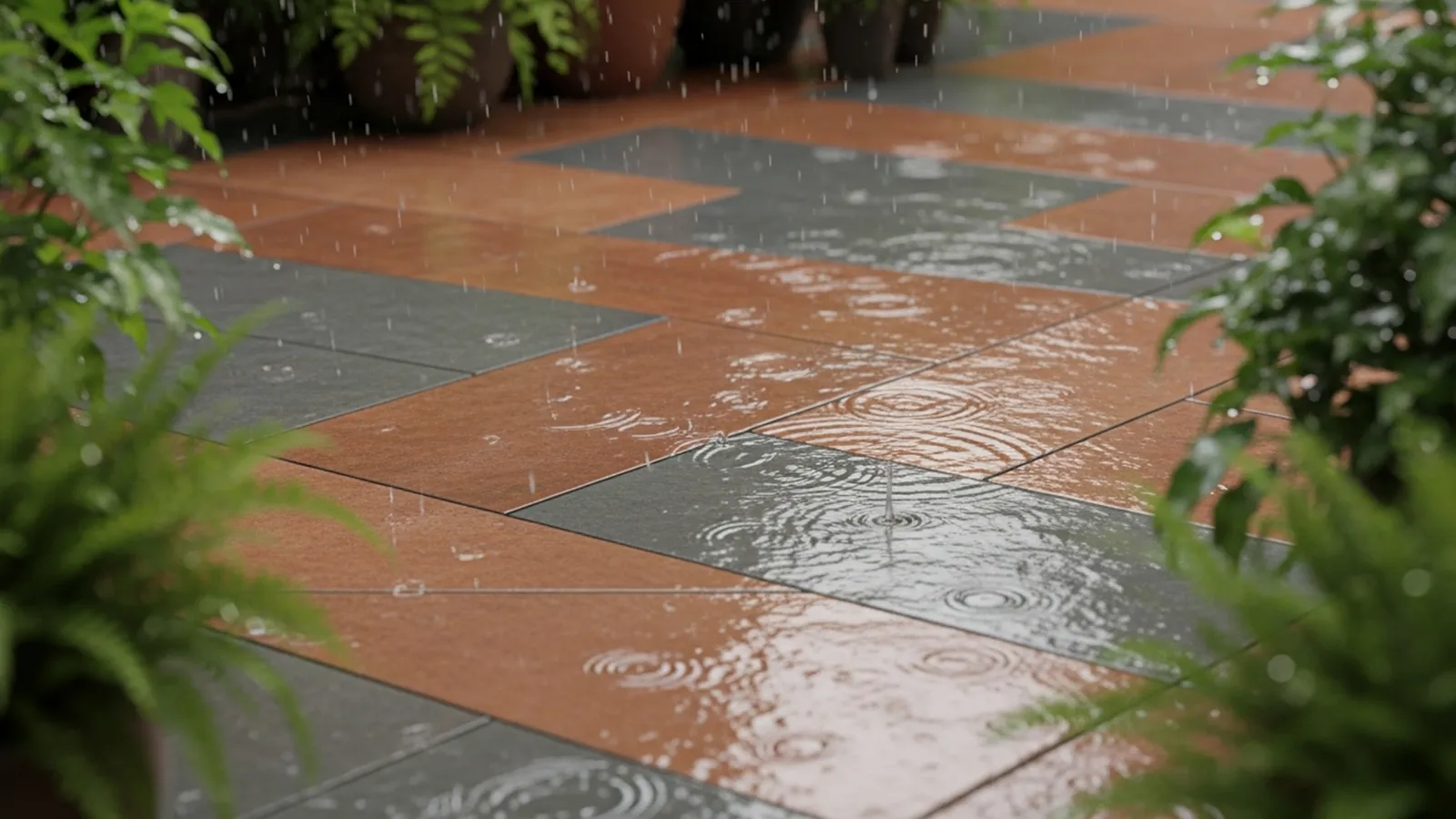
Outdoor tiles usually feel dependable until small, everyday signals suggest otherwise. Common moments include a foot sliding slightly after rain, a pet hesitating mid-step, or a familiar path suddenly feeling uncertain. These experiences rarely come out of nowhere, even though they feel abrupt.
Several quiet changes tend to build up before slipperiness becomes noticeable:
-
Gradual surface wear from daily use.
-
Repeated exposure to moisture.
-
Residue left behind by cleaning or the environment.
Because these changes happen slowly, people adapt without realizing the surface itself has shifted. The tiles still look clean and intact, which makes the risk easy to overlook until movement exposes it.
Surface Texture and the Loss of Natural Grip
Reduced grip is usually felt before it is seen. The earliest signs often appear where people walk most, such as between doors and seating areas. These zones begin to feel smoother underfoot compared to surrounding tiles.
This loss of traction is tied to how texture wears down:
-
Foot traffic flattens microscopic ridges.
-
Furniture movement polishes the surface.
-
Cleaning accelerates surface smoothing.
As texture disappears, water no longer breaks apart across the tile. Moisture spreads into a thin layer that lowers resistance. Over time, these smoother paths become the areas where slipping feels most likely.
Moisture Films and Invisible Water Layers
Many slippery moments happen when tiles appear completely dry. Thin moisture films can form without visible puddles, especially during certain times of day. These films change how the surface responds to movement.
Situations where this often occurs include:
-
Early mornings after cool nights.
-
Shaded areas with little airflow.
-
Humid conditions without rainfall.
In daily use, the effect feels inconsistent. Walking slowly may feel safe, while a quick step or turn causes sliding. The issue is not the amount of water, but how evenly it coats the tile surface.
Tile Material Density and Porosity Differences
Different tiles handle moisture in different ways, which directly affects traction. Dense materials keep water on the surface, while porous ones interact with moisture unevenly. Both behaviors can lead to slipperiness under common conditions.
These differences show up in familiar patterns:
-
Tiles feel safe in sun but slick in shade.
-
Some areas dry quickly while others stay damp.
-
Grip changes with humidity rather than rain.
Because these shifts depend on material behavior, the surface can feel unpredictable. The tile itself has not changed, but how it reacts to moisture has.
Organic Growth and Residue Accumulation
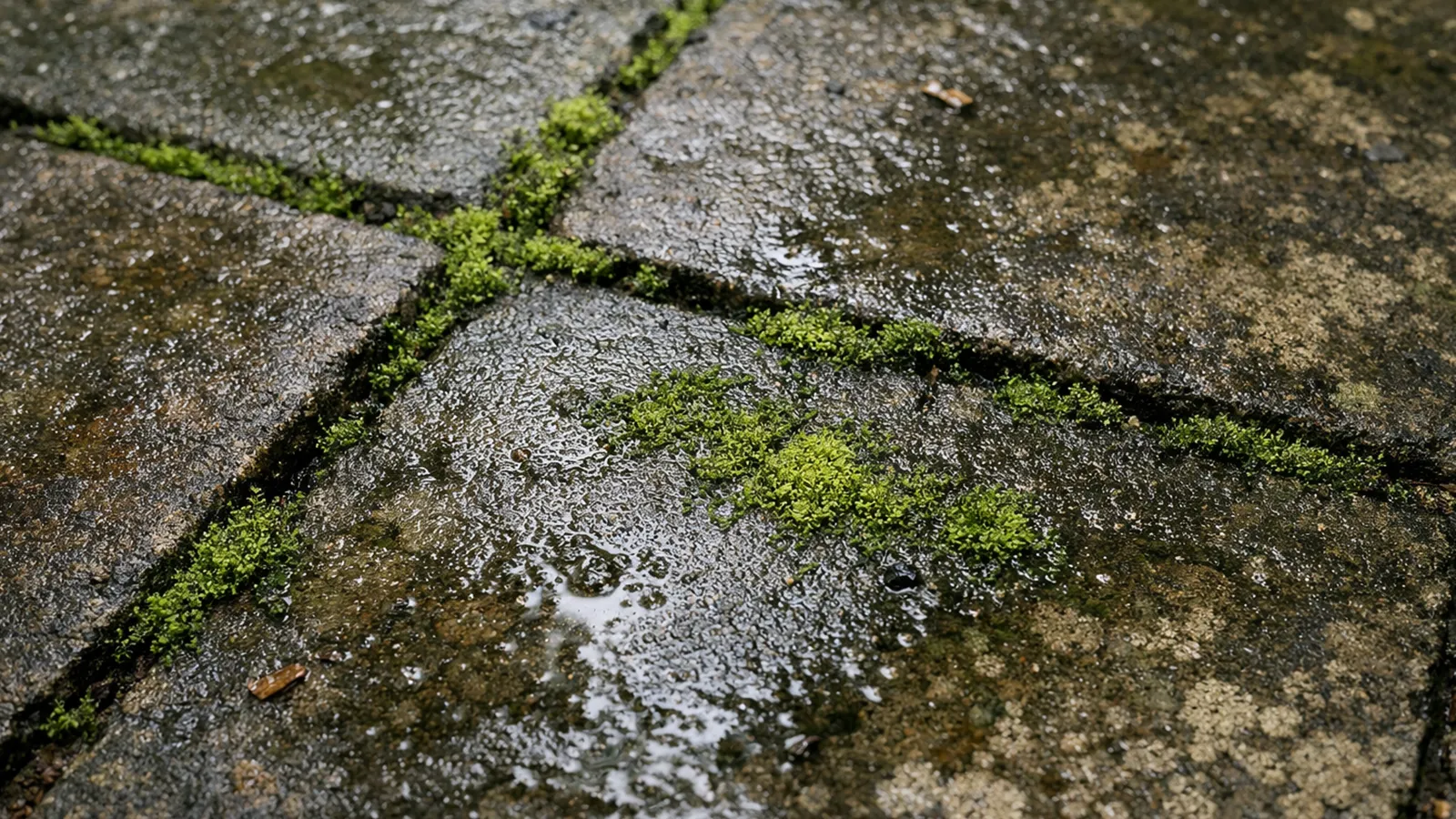
Slipperiness often comes from what settles on the tile rather than the tile itself. Thin organic layers form in places that stay damp or shaded and are easy to miss during casual inspection.
Common contributors include:
-
Algae forming in low-light areas.
-
Mildew developing where moisture lingers.
-
Biofilm creating a smooth surface coating.
Instead of feeling gritty, these residues feel slick. Pets often notice first by slowing down or avoiding certain spots. If moisture and shade remain, these layers tend to return even after cleaning.
Cleaning Products and Unintended Surface Changes
Tiles sometimes become more slippery right after maintenance. This happens when cleaning improves appearance but reduces traction. The surface looks better while behaving worse.
This usually involves:
-
Soap-based cleaners leaving a thin film.
-
Pressure washing wearing down texture.
-
Residue drying into a smooth layer.
These changes are felt during everyday movement. Shine increases, but grip decreases. Because the tiles appear cleaner, the growing risk is easy to miss.
Ground Stability and Subtle Surface Shifts
Not all slippery tile problems start at the surface. Small changes beneath the tiles can alter how water moves and settles. These shifts are rarely visible but strongly affect traction.
Ground-related changes often lead to:
-
Slight pooling in low spots.
-
Slower drying in specific areas.
-
Moisture lingering where it did not before.
This behavior is tied to underlying movement rather than surface damage. Ground movement beneath outdoor surfaces can change how water drains and lingers, increasing the likelihood of slick tile conditions even when the surface material remains unchanged. Over time, these subtle shifts create predictable slippery zones that only become obvious through daily use.
Footwear, Pet Paws, and Traction Mismatch
Slipperiness often shows up differently depending on what touches the tile. A surface that feels manageable in shoes may suddenly feel risky when barefoot or when a pet crosses it. These differences are usually noticed through movement, not inspection.
This mismatch tends to appear in everyday situations:
-
Rubber soles sliding during quick turns.
-
Bare feet losing grip on lightly damp tiles.
-
Pets spreading their legs or slowing down mid-step.
🐾 Pet behavior is often the clearest early signal. Paw pads rely on surface texture rather than weight, so they react immediately when traction drops. When animals change routes or hesitate, the surface has already crossed a safety threshold.
Shade Patterns and Uneven Drying Zones
Outdoor tile areas rarely dry at the same pace. Some sections feel normal, while others stay slick long after moisture should be gone. These differences usually become clear through repeated daily use.
Common causes of uneven drying include:
-
Permanent shade from trees or structures.
-
Furniture blocking airflow.
-
North-facing areas receiving less sun.
The risk comes from contrast rather than constant wetness. Moving from a dry tile onto a shaded, damp one creates a sudden traction change. This transition is easy to miss visually but obvious underfoot.
Sealers and Surface Treatments That Backfire
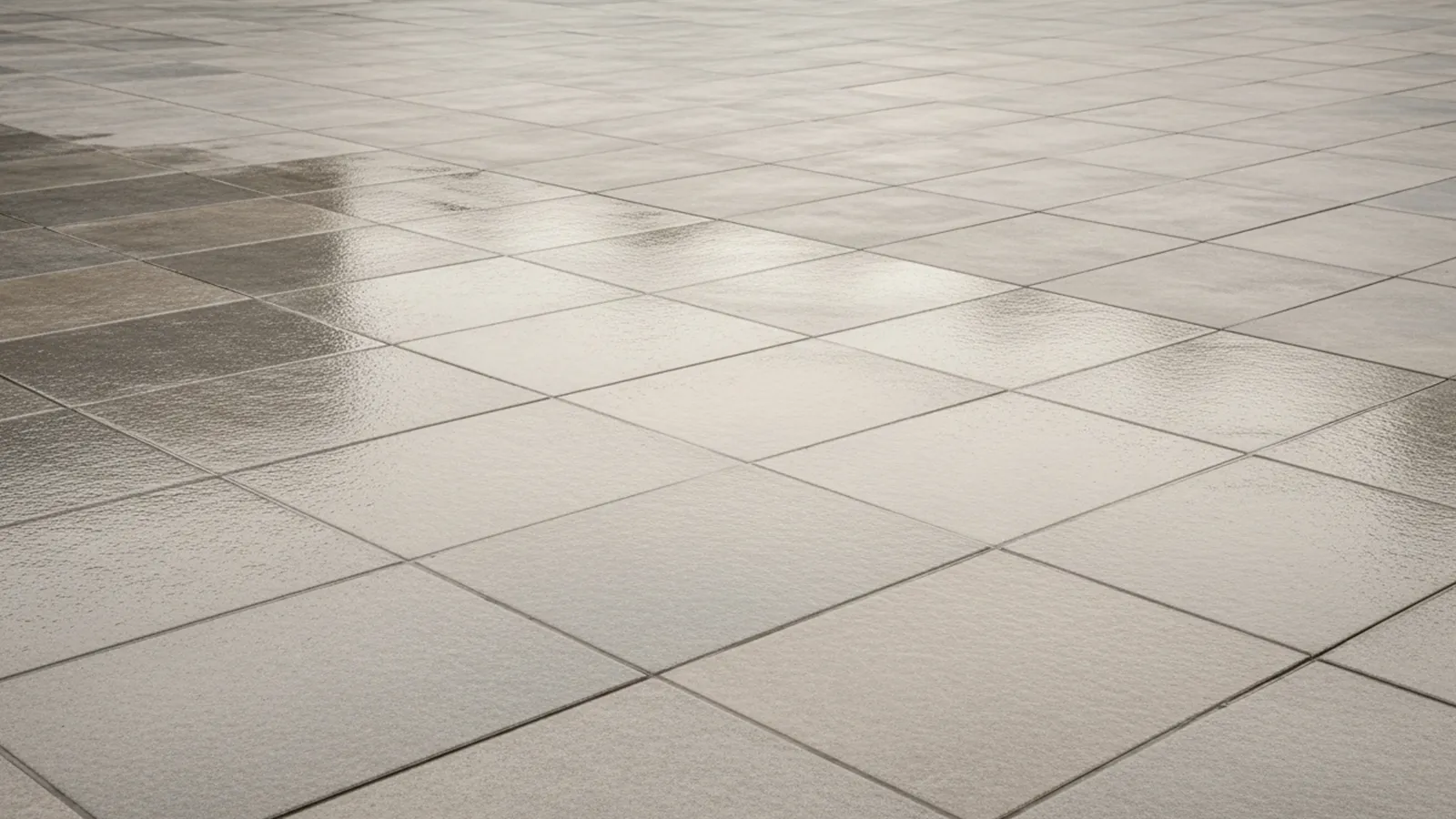
Sealers are often applied to protect tiles, but they can quietly reduce grip. The change is usually noticed when tiles begin to look richer in color or slightly glossy. What feels like an upgrade visually can become a traction problem under real conditions.
Issues linked to sealers often include:
-
A smoother surface layer forming over time.
-
Water lingering instead of dispersing.
-
Moisture becoming more slippery rather than less.
Because sealers work gradually, the problem rarely feels immediate. The surface still looks well-maintained, which delays recognition of the risk.
Drainage Design and Water Behavior on Tile Layouts
Water does not need to pool deeply to create a slipping hazard. Even thin sheets of moisture can reduce friction if drainage is slightly off. These problems often appear where tile layout and slope work against each other.
Drainage-related patterns commonly show up as:
-
Water collecting near doorways or edges.
-
Damp zones that never fully dry.
-
Slick strips following grout lines.
These behaviors become familiar through repetition. Certain spots always feel less stable, especially after light rain or overnight condensation. Over time, people adjust their steps without realizing why.
Adjacent Surface Influence and Contamination Transfer
Slipperiness can be introduced from nearby surfaces rather than the tiles themselves. Materials carried by wind, water, or foot traffic settle onto tiles and change how they behave when wet. This often happens gradually and without visible buildup.
Common sources include:
-
Soil washed from uneven paths.
-
Organic debris from landscaping.
-
Fine dust that bonds with moisture.
When surrounding walkways shift or shed material, that debris often migrates onto tiled areas. When outdoor paths shift and shed debris, that material often migrates onto nearby tiled areas and quietly increases slip risk over time. The tile surface becomes slick not because it failed, but because its environment changed.
Long-Term Wear Patterns and Micro-Polishing
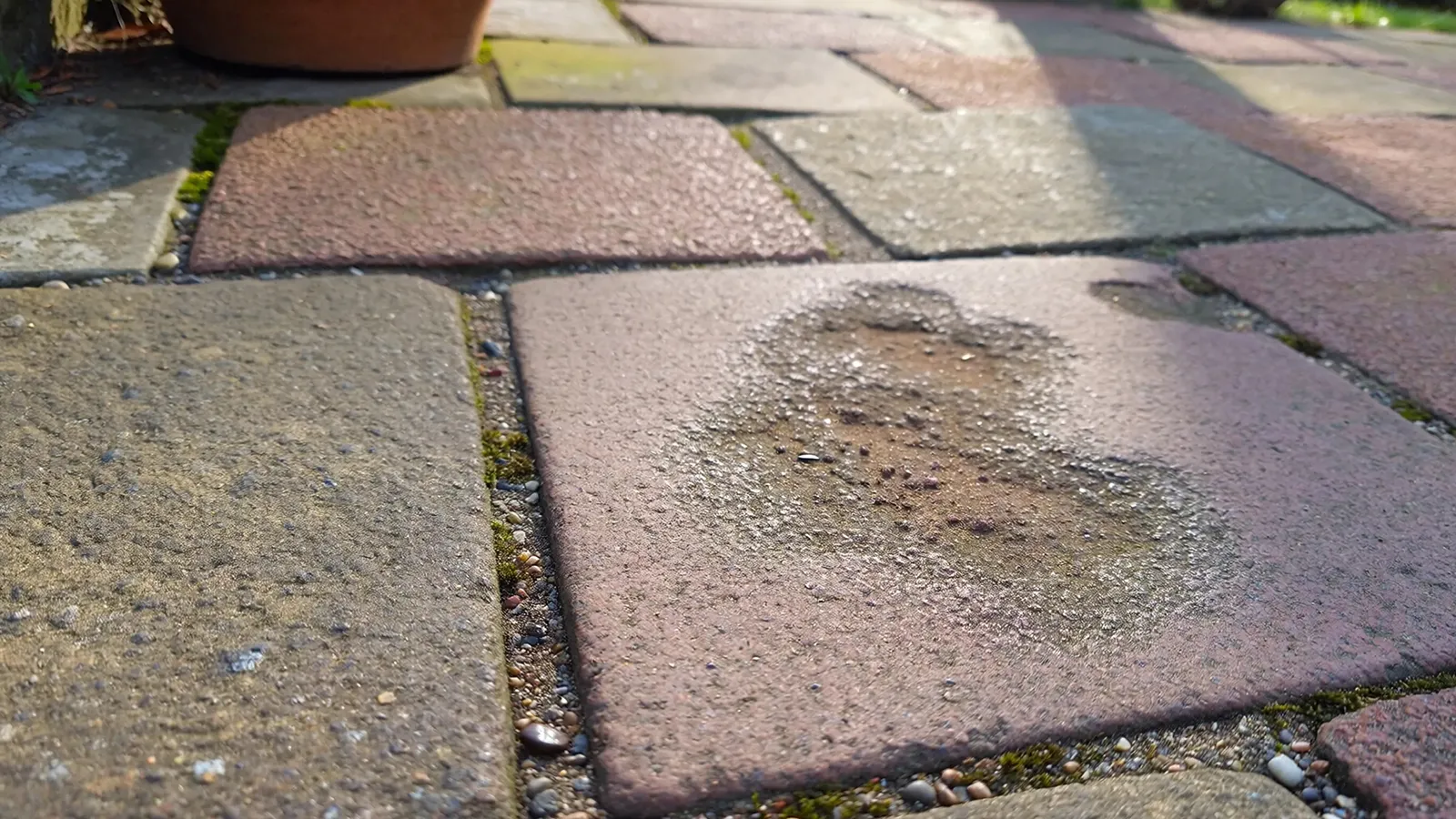
Over time, movement itself reshapes tile surfaces. Areas walked on most frequently begin to feel smoother than the rest. This change happens slowly and is easy to miss.
Micro-polishing typically develops through:
-
Repeated foot traffic along the same routes.
-
Furniture being dragged or shifted.
-
Constant contact in narrow paths.
⚠️ The danger comes from inconsistency. One step feels secure, the next suddenly does not. As these polished zones expand, the surface becomes less predictable, increasing the chance of slips during normal use.
Weather Cycles and Seasonal Slip Amplification
Slipperiness often spikes during certain times of the year rather than staying constant. People usually notice it when a surface that felt fine yesterday suddenly feels unreliable today. These shifts are tied to how outdoor tiles react to changing weather patterns.
Seasonal conditions that amplify slipping include:
-
Cool nights followed by warmer mornings.
-
Freeze-thaw cycles that draw moisture upward.
-
Rapid temperature swings that slow drying.
These moments are brief but recurring. A patio may feel stable most of the day, then slick for a few hours without warning. Because the timing feels random, the underlying pattern is easy to miss.
Poolside Chemistry and Water Treatment Residue
Tiles near pools tend to develop a different kind of slipperiness. Even when the surface looks clean, movement can feel uncertain. This usually becomes noticeable through repeated exposure rather than a single event.
Common contributors around pools include:
-
Chlorine residue left after evaporation.
-
Salt crystals from saltwater systems.
-
Fine chemical films reactivated by moisture.
As water dries, these substances stay behind and subtly change surface behavior. When humidity rises or tiles get wet again, grip drops quickly. Over time, even textured tiles can begin to feel slick in bare feet.
Installation Choices That Lock in Slipperiness
Some traction issues are set in place long before the first slip happens. They show up gradually as tiles interact with real-world conditions. The surface performs differently than expected once daily use begins.
Installation-related factors often include:
-
Large tiles with minimal grout lines.
-
Smooth finishes chosen for appearance.
-
Flat layouts with little tolerance for drainage error.
These choices are rarely problematic at first. Over time, moisture exposure and wear reveal their limits. Once slipperiness appears, it tends to persist because the layout itself does not change.
Maintenance Gaps and False Security Signals
Slippery tiles often look better right before they become risky. A clean, bright surface creates confidence that does not always match reality. The disconnect shows up during normal movement rather than visual inspection.
False safety signals usually come from:
-
Increased shine after cleaning.
-
Even color without visible buildup.
-
Dry appearance despite reduced traction.
People adjust without realizing it. Steps slow slightly, routes change, or pets hesitate. These subtle behaviors often appear well before a slip actually happens.
Slip-Resistant Additives and Surface Modifications
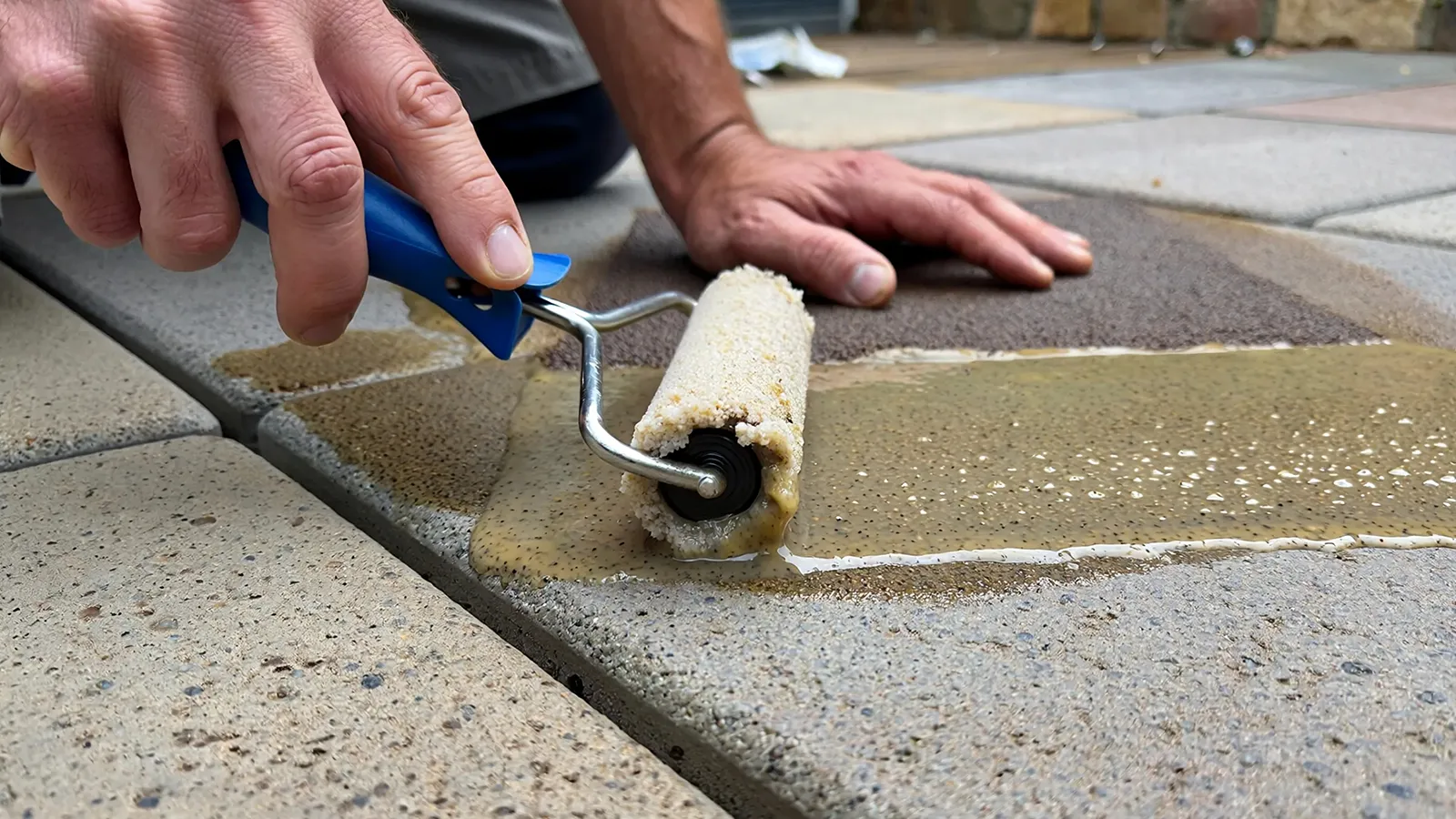
Once tiles become consistently slick, surface modification is often considered. These treatments are noticed not by appearance, but by how movement feels afterward. The surface regains resistance rather than visual texture.
Common approaches include:
-
Etching to restore micro-texture.
-
Coatings that add fine grit.
-
Treatments designed for dense tile surfaces.
Results depend on the tile and how worn it is. Dense tiles respond differently than porous ones. Over time, reapplication is usually needed as daily use continues to smooth the surface again.
When Slippery Tiles Signal a Broader Surface Issue
Persistent slipperiness often points beyond the tile itself. It usually connects to how the entire outdoor area behaves together. The pattern becomes clearer when nearby surfaces are considered.
Broader signals often involve:
-
Repeating slick zones after light moisture.
-
Similar behavior on nearby stone or paved areas.
-
Moisture lingering despite cleaning.
In these cases, tile behavior mirrors other outdoor surfaces. Understanding how stone surfaces behave under similar conditions helps explain why tiled areas often develop the same hazards over time. Looking at the whole surface system helps explain why slipperiness returns and why isolated fixes sometimes fall short.
Surface friction: https://www.nist.gov/