Cosmetic vs Structural Surface Problems: How to Tell the Difference
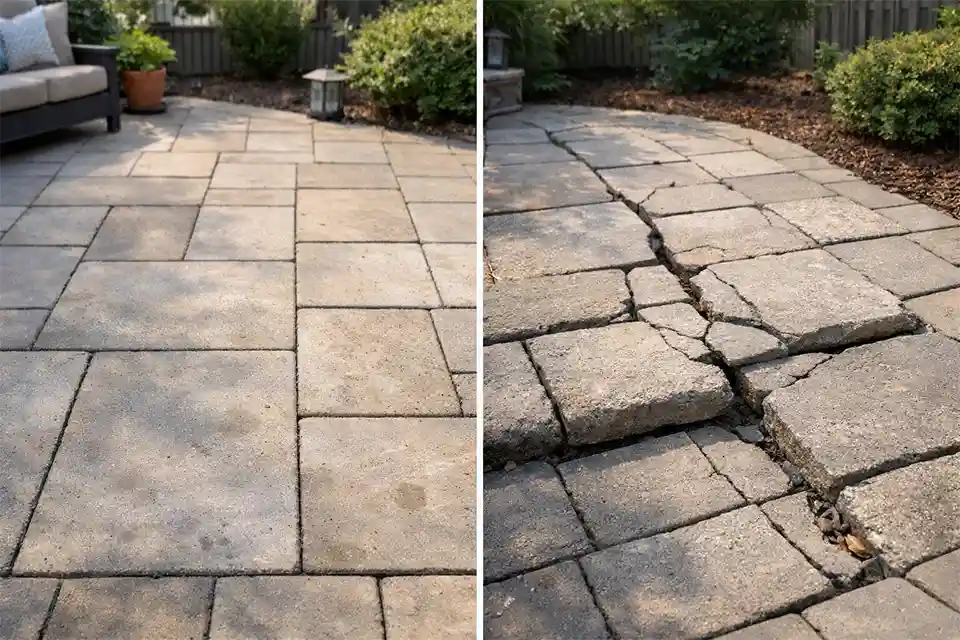
Comparison between cosmetic and structural outdoor surface problems on patio and walkway.

Outdoor surfaces almost never remain perfect indefinitely. Patios, driveways, walkways, and garden paths are constantly exposed to environmental stress—from temperature changes and moisture cycles to soil movement and daily foot traffic. Over time, these forces gradually alter how surfaces look and behave. The challenge for homeowners is determining whether visible damage is cosmetic or structural. … Read more
Early Signs Your Outdoor Surfaces Are Starting to Fail

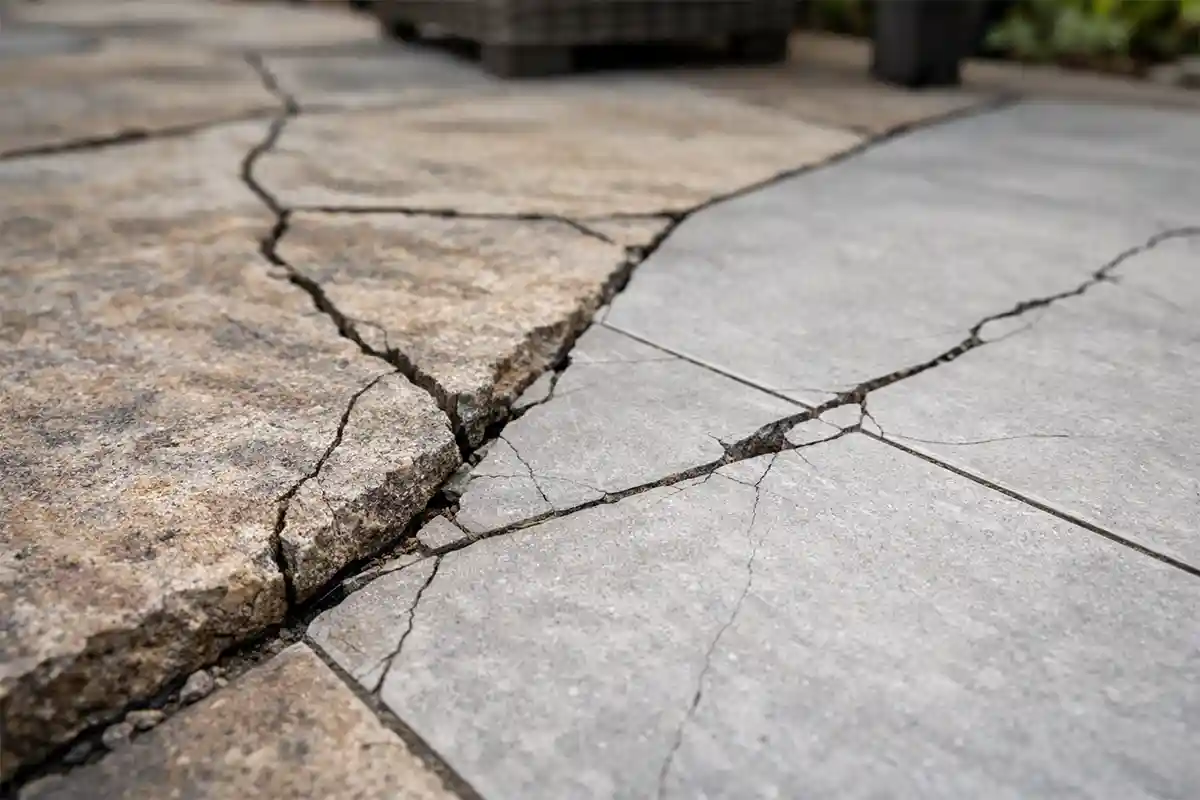
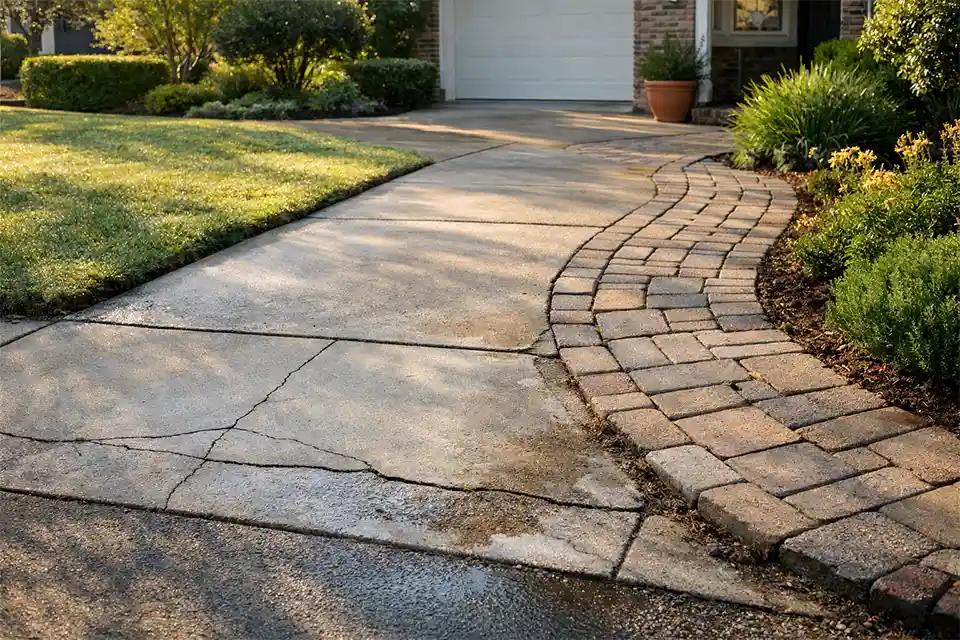
Early warning signs of outdoor surface failure including hairline cracks, shifting pavers, and slight soil settlement on a residential walkway.

Outdoor surfaces rarely fail overnight. In most residential environments, structural deterioration begins slowly with subtle warning signs that appear months—or sometimes years—before serious damage occurs. Small cracks, slightly uneven pavers, recurring moisture stains, or loose aggregates often signal that the structural layers beneath the surface are beginning to weaken. Outdoor walkways, driveways, patios, and garden … Read more

Why Surface Materials Fail Early and How to Prevent It

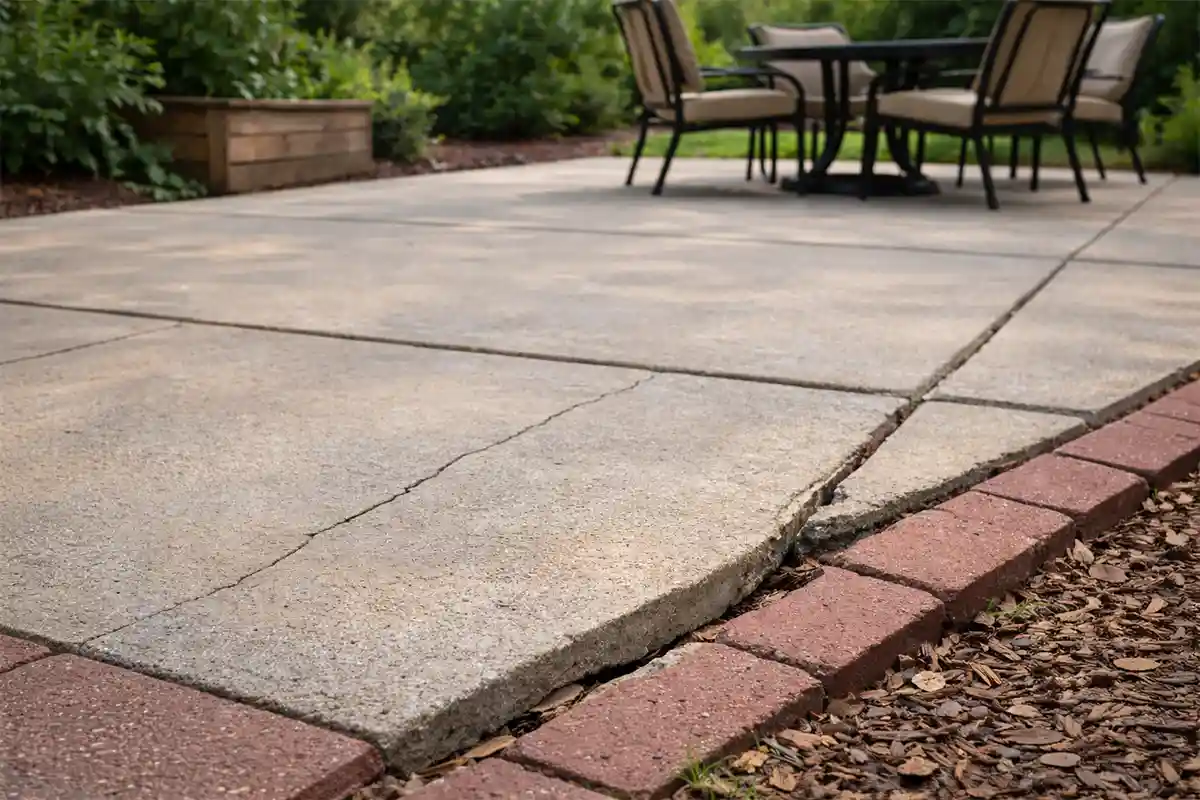
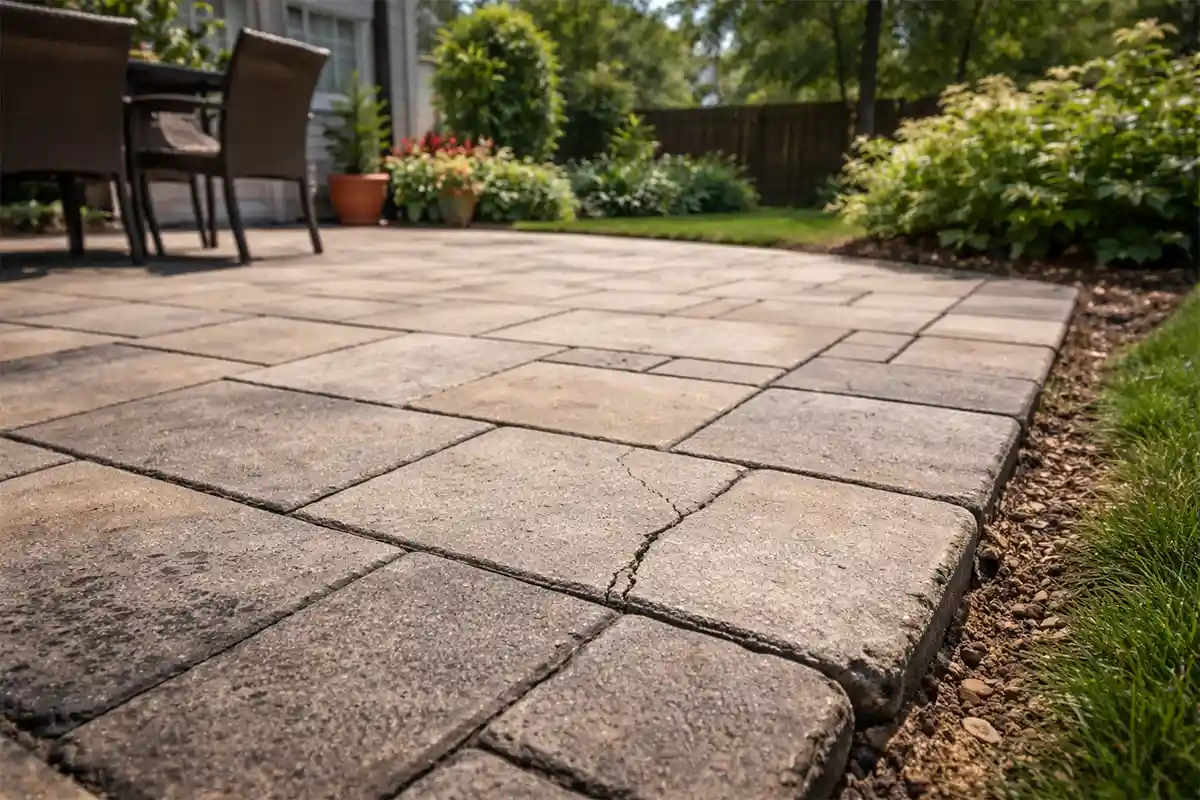
Early-stage cracking and minor settling on a residential outdoor patio surface.

Surface materials fail early because the structural system supporting them loses stability before the surface layer reaches its expected lifespan. The visible cracking or shifting is usually a symptom, not the root cause. In most residential settings, premature deterioration begins below grade. Early failure means damage appearing years ahead of projected durability. Instead of lasting … Read more

How to Stop Outdoor Surface Fatigue Before It Spreads

Early signs of outdoor surface fatigue with minor cracking and slight edge separation on a residential patio.

If the same crack keeps returning along your driveway edge, it rarely stays small. If one patio corner sits just 1/4 inch lower and always collects water after rain, that pattern does not correct itself. Outdoor surface fatigue begins when repeated weight, moisture, and temperature shifts keep stressing the exact same physical strip until the … Read more

Why Ground Becomes Unstable After Major Rainfall

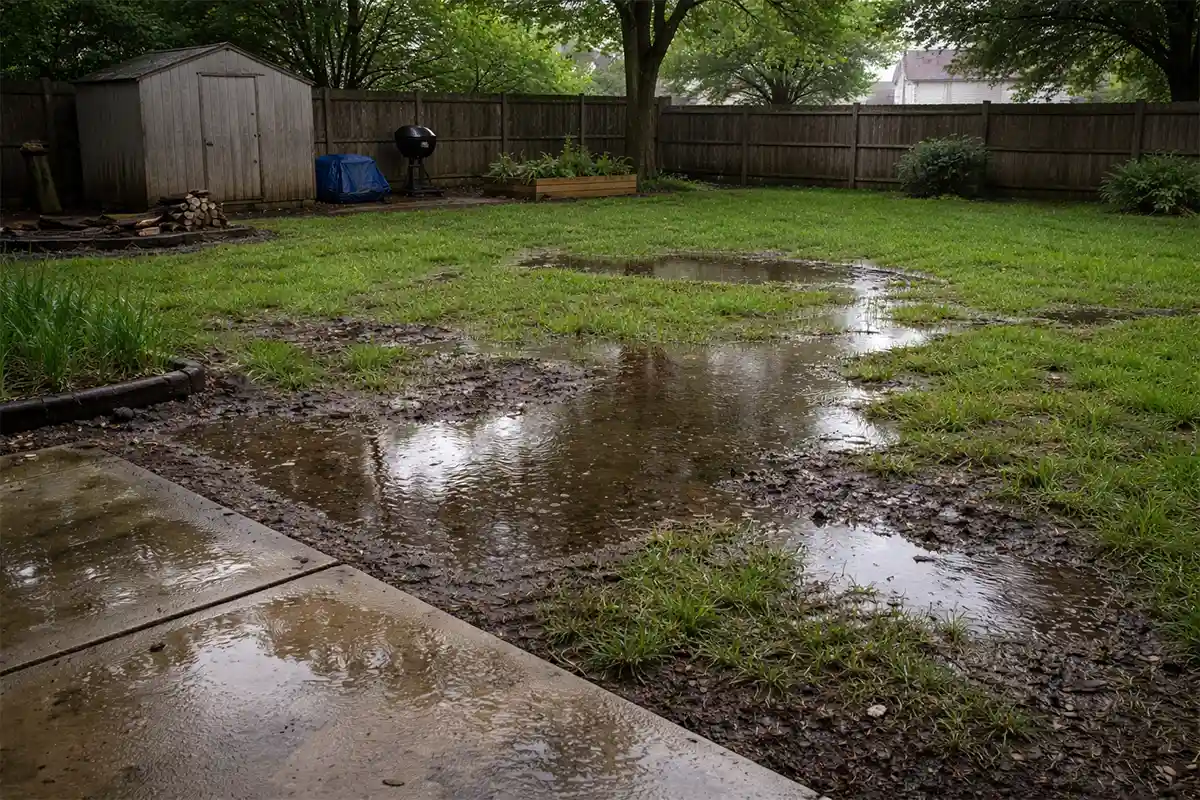
Saturated backyard soil with visible depressions and pooling water after heavy rainfall near a patio edge.

You will understand how water saturation reduces soil strength beneath patios and driveways. You will see why small depressions near edges often signal deeper base changes. You will recognize the difference between one heavy storm and repeated rain cycles. You will learn which visible ground shifts matter and which ones usually do not. You will … Read more

Why Loose Stone and Aggregate Surfaces Start Failing

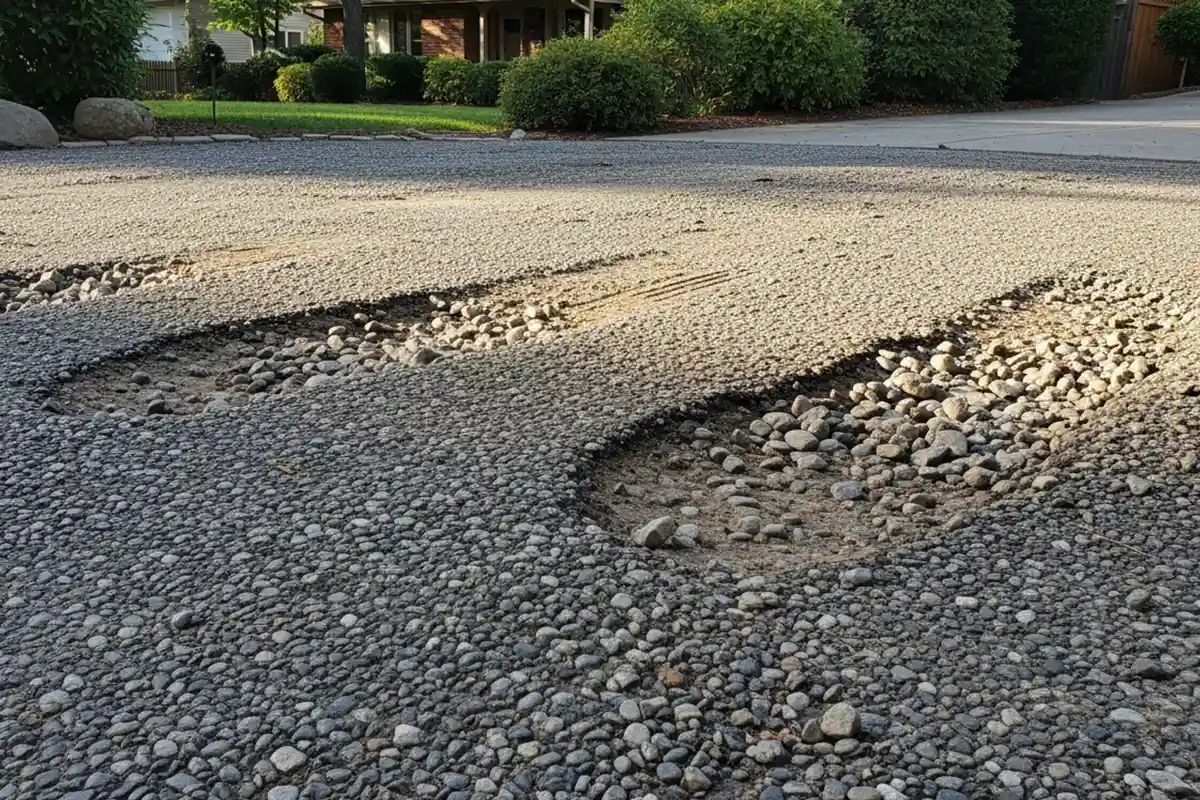
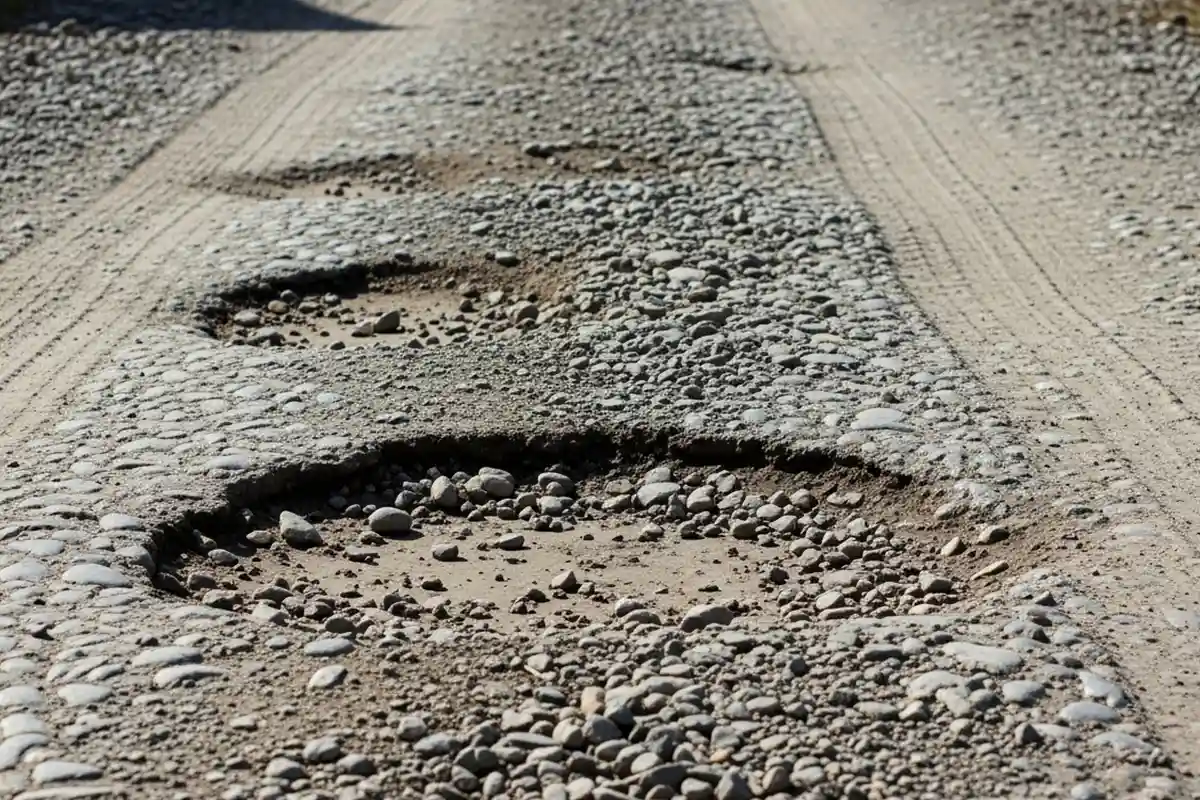
Uneven gravel driveway with early rutting and displaced stones under natural daylight in a residential setting.

You will see why shallow tire dips often signal deeper base movement. You will understand how edge spread reduces support across the center line. You will learn why water direction matters more than adding extra gravel. You will recognize the difference between one-time damage and repeated stress. You will know when the problem is structural, … Read more

Best Solutions for Breaking and Chipping Outdoor Surfaces (Simple to Structural)

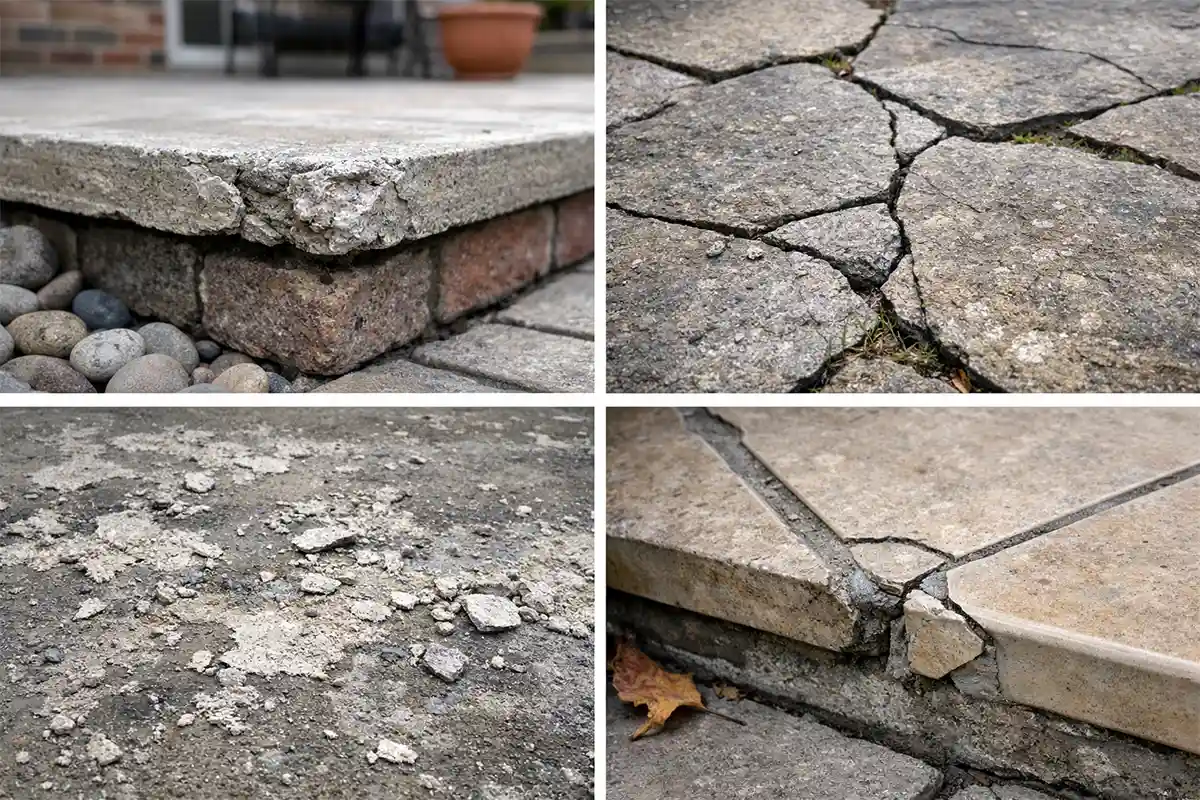
Close-up examples of cracked and chipped outdoor concrete, stone, and tile surfaces in residential settings.

On a dry afternoon, the edge of a patio slab flakes slightly when brushed with a shoe. The fragment is small, but the exposed aggregate beneath is visibly rougher than the surrounding surface. Hairline cracks trace faint lines across areas that otherwise appear solid. In the morning light, shallow chips along step corners cast thin … Read more