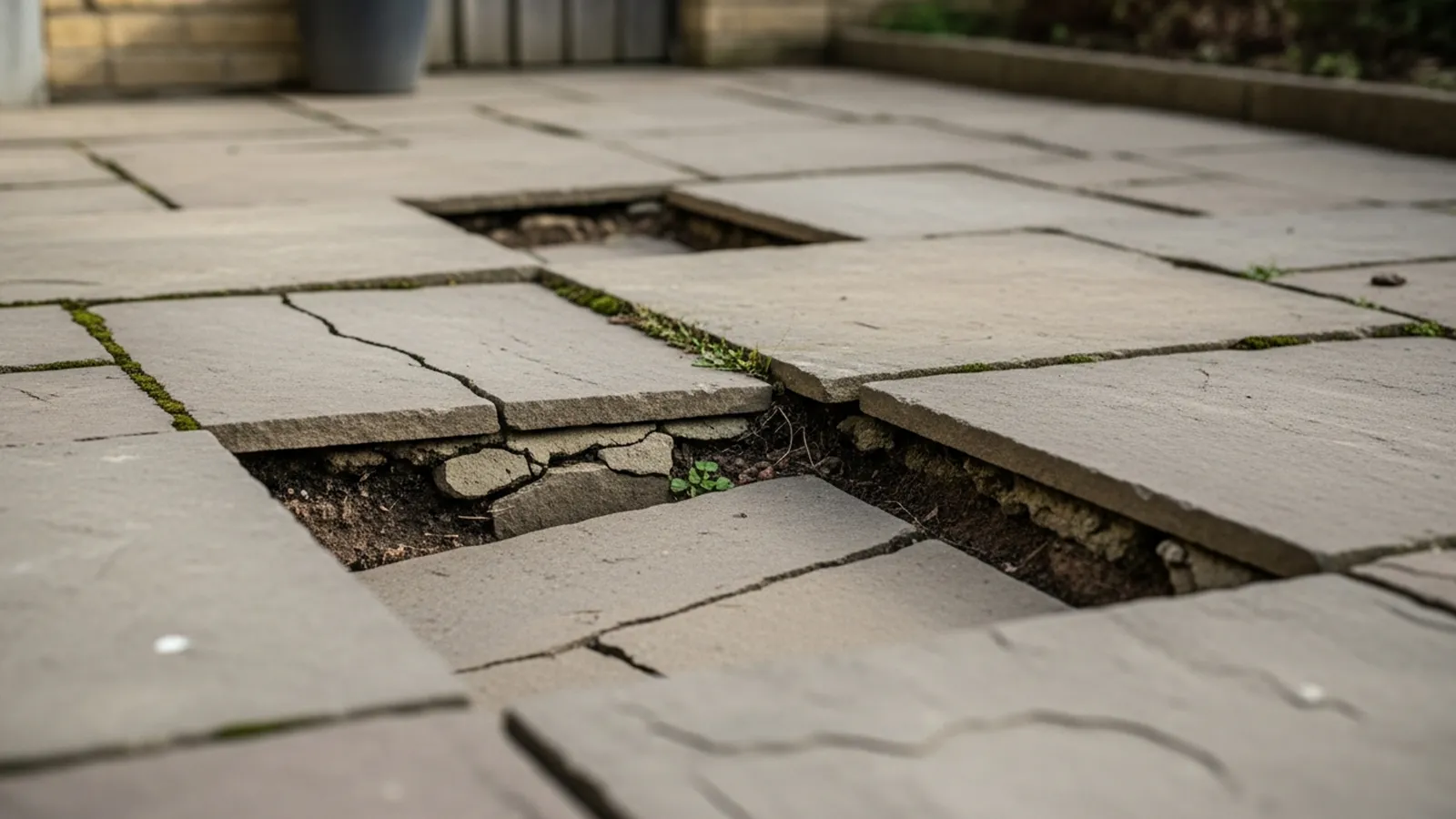
A walkway that once felt flat now dips just enough to notice, or a patio chair rocks even though the surface looks intact. These small changes are usually the first signs that the issue is below the surface, not in the material you can see.
Most homeowners start noticing these shifts after heavy rain, long winters, or dry periods. Nothing dramatic happens at once, but the space stops behaving the way it used to.
Outdoor ground is never fully still. Moisture, temperature changes, and everyday use keep affecting the soil beneath finished surfaces, even when everything above looks solid.
When these early signs are ignored, the movement underneath continues quietly. By the time damage becomes obvious, the ground has often been changing for much longer than expected.
What Ground Settling Actually Means
A slab that sits slightly lower than before is usually reacting to soil movement below it. Ground settling happens when soil compresses, shifts, or slowly loses volume, changing how weight is supported. Because this process is gradual, it often goes unnoticed until alignment feels off.
Different soil types react in different ways, which explains why settling looks inconsistent from one property to another.
-
Clay soil swells when wet and shrinks when dry.
-
Sandy soil drains quickly but can wash out over time.
-
Mixed soils compress slowly under long-term weight.
Settling does not automatically mean something was built incorrectly. Even well-prepared outdoor areas rest on soil that continues adjusting over time. Problems begin when that adjustment becomes uneven.
Weather patterns strongly influence how noticeable this becomes. Long wet periods, freeze-thaw cycles, or extended droughts can all speed up soil movement beneath outdoor surfaces.
Common Outdoor Areas Affected by Settling
Settling usually becomes noticeable in areas used every day. A concrete slab that feels lower than the one next to it or a paver that shifts slightly underfoot often draws attention quickly. These changes typically point to localized soil loss rather than surface damage.
Patios often show settling through subtle slope changes. Furniture may start leaning, or rainwater may drift toward one edge. This usually traces back to uneven soil compression beneath heavier use zones.
Driveways experience stronger effects due to vehicle weight.
-
Cracks tend to appear near unsupported edges.
-
Sections may sink gradually instead of breaking.
-
Drainage paths change as elevations shift.
Yards can show quieter signs like shallow dips or soggy patches. While these seem cosmetic, they often relate to nearby hard surfaces relying on the same soil.
Why Soil Loses Its Ability to Support Weight
Ground that feels firm one season and soft the next often reflects changes in moisture. Water reduces friction between soil particles, allowing them to shift under pressure. Over time, this weakens the soil’s ability to carry weight evenly.
Installation conditions also matter. Soil that was compacted too quickly or unevenly continues to compress once weight is applied. This slow compression explains why problems often appear long after construction ends.
Organic material mixed into fill soil contributes as well. As it breaks down, soil volume shrinks, leaving less support beneath surfaces.
Other changes nearby can trigger movement.
-
New construction can redirect underground water.
-
Excavation can disturb previously settled soil.
-
Drainage changes alter moisture patterns.
Because soil behaves as a connected system, movement in one area often affects another.
How Ground Settling Creates Uneven Walkways
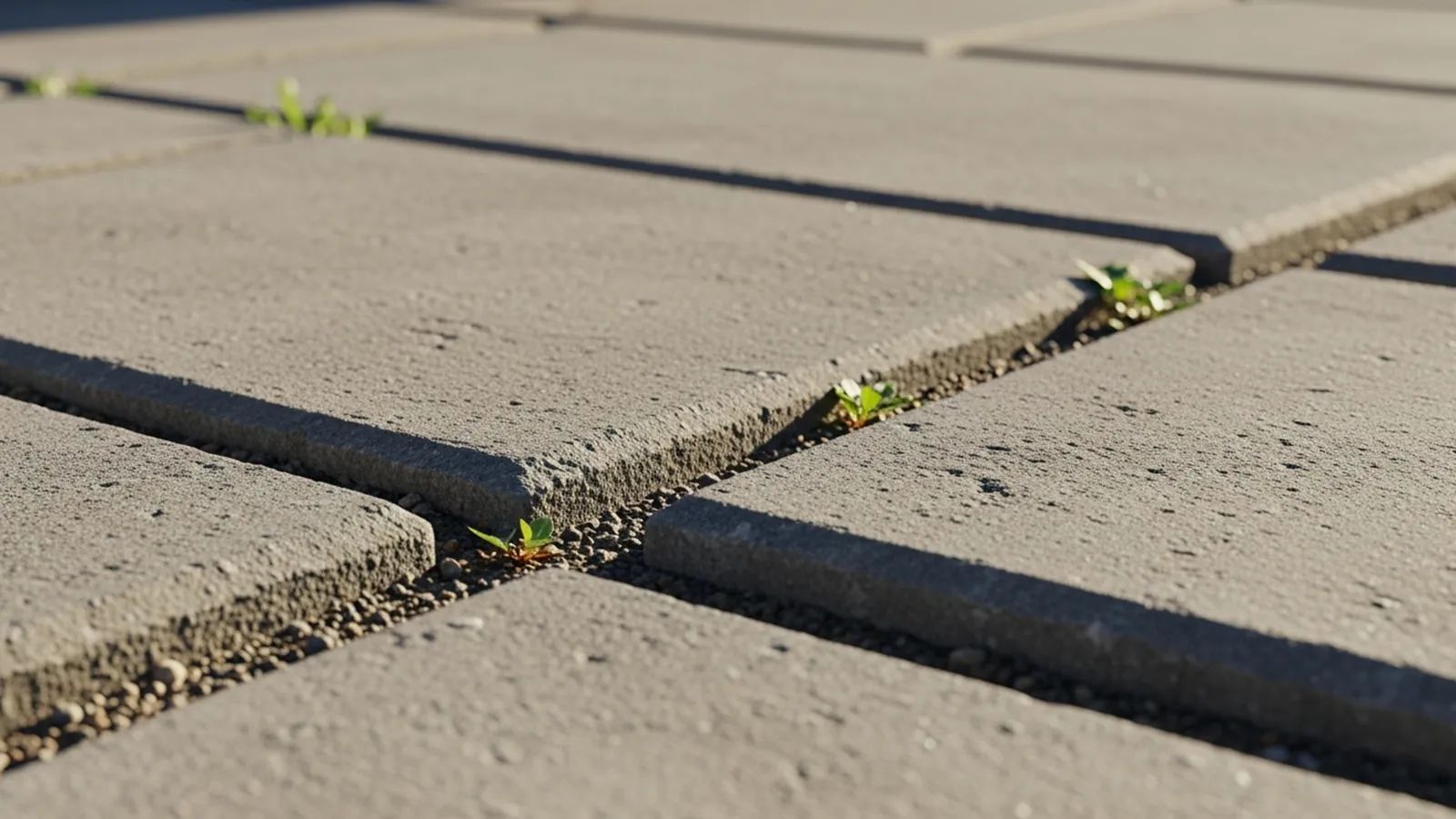
Walkways tend to show settling early because each section relies on even support. When soil beneath one slab settles more than the next, the difference becomes noticeable with every step.
Water often follows walkways, especially where joints guide runoff. Over time, moisture weakens the soil beneath specific slabs, reducing support in those areas.
Tree roots also affect stability.
-
Growing roots displace soil.
-
Decaying roots leave empty pockets.
-
Removed trees create voids that collapse later.
These shifts usually occur near edges where support is already limited. A clearer explanation of how these forces combine is explored in This detailed breakdown explains why outdoor walkways become uneven and how underlying soil behavior contributes to surface misalignment.
Early Warning Signs Homeowners Often Miss
Small cracks that seem harmless are often early indicators. They usually reflect movement below rather than surface aging. When cracks slowly widen, they suggest ongoing soil adjustment.
Nearby elements may feel off before surfaces do.
-
Gates may drag or stop closing smoothly.
-
Steps can feel uneven.
-
Railings may lose alignment.
Standing water after rain is another subtle signal. When ground settles unevenly, water collects where it did not before, accelerating soil weakening.
Even slight changes underfoot matter. A soft spot or mild slope can reveal soil compression long before visible damage appears.
Why Ground Settling Is Not Just a Cosmetic Issue
Once people start using an uneven surface, the issue goes beyond appearance. Small height differences increase the risk of trips and falls, especially on frequently used paths.
Settling can also transfer stress to nearby structures. When soil shifts near steps, walls, or foundations, it changes how weight is distributed, increasing the chance of cracking or separation.
Drainage problems often follow.
-
Water flows toward structures instead of away.
-
Moisture lingers longer after storms.
-
Freeze-thaw damage becomes more likely.
Addressing settling early limits how far these effects spread. Once surfaces crack or break, repairs become more disruptive and expensive.
How Climate and Seasonal Changes Accelerate Settling
Uneven ground often starts showing itself after a rough winter or an unusual weather cycle, not simply with age. Many homeowners notice changes right after snow melts, long rainy periods, or a dry season that breaks suddenly. These moments usually point back to how soil reacts to moisture and temperature shifts below the surface.
In colder regions, freeze–thaw cycles are a major driver. Water in the soil expands when it freezes, loosening the soil structure. When it thaws, the soil does not fully return to its previous density, slowly reducing its ability to support weight.
Dry periods create a different kind of stress. As moisture leaves the soil, it shrinks and pulls apart slightly. When rain finally returns, water moves quickly into these gaps instead of stabilizing the ground.
Over time, these effects stack rather than cancel out.
-
Wet seasons soften soil and allow movement.
-
Freezing disrupts soil structure.
-
Droughts cause shrinkage and cracking.
Settling often feels sudden only because these changes have been building quietly for months or years.
The Role of Drainage in Long-Term Soil Stability
Areas that stay damp longer than expected tend to settle first. Puddles near walkways or patios after rain usually reflect what is happening below ground. When soil remains saturated, it loses the friction needed to hold weight consistently.
Grading plays a key role in this process. If the ground slopes toward hard surfaces instead of away, water naturally collects where it causes the most harm. This leads to uneven saturation, with some areas staying firm while others soften and sink.
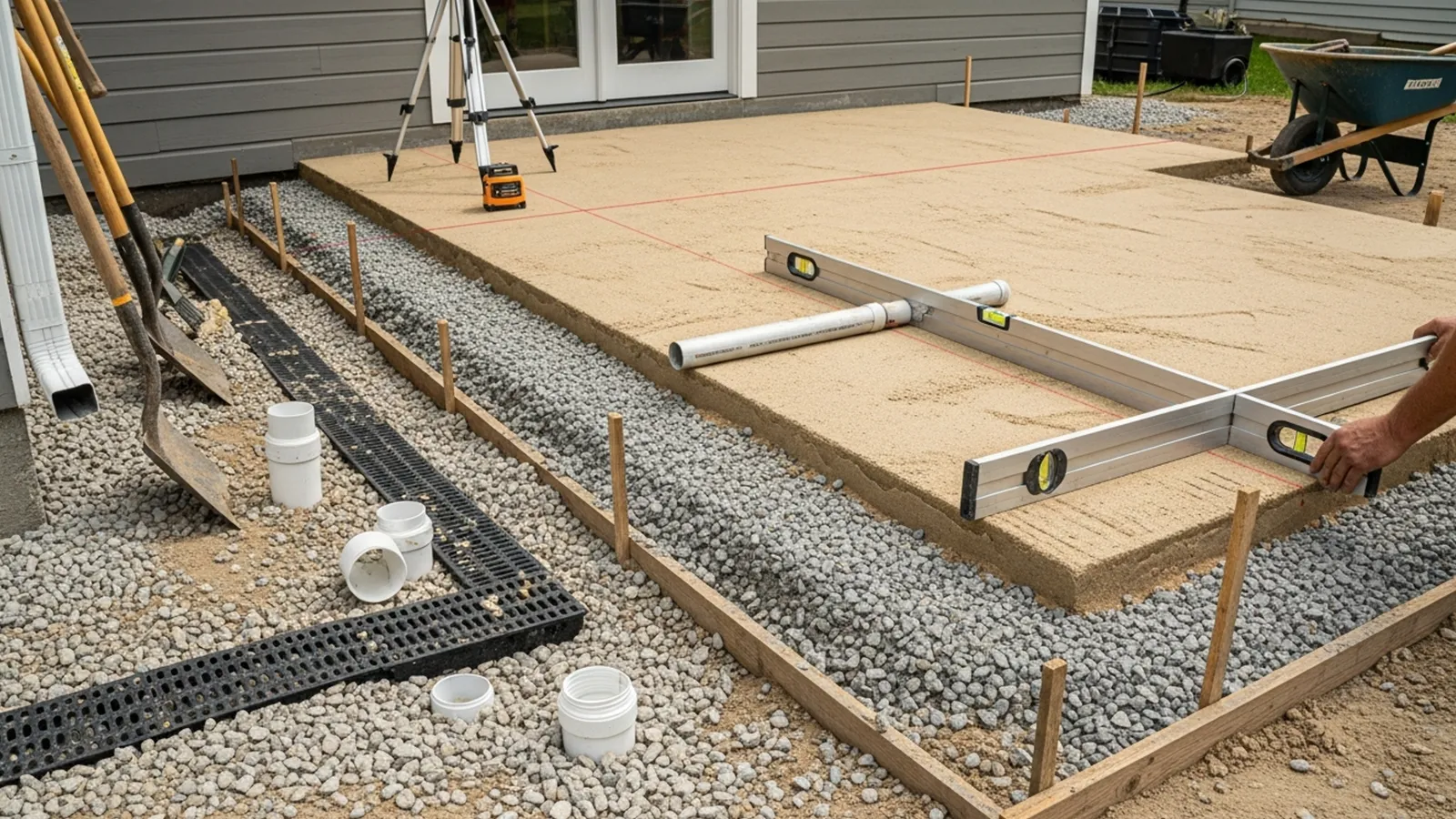
Subsurface drainage matters just as much. Gravel bases and drainage layers are meant to move water away from load-bearing soil. When these layers are missing or clogged, moisture has nowhere to go.
Everyday features often contribute without being noticed.
-
Downspouts releasing water near walkways.
-
Irrigation oversaturating edges.
-
Landscaping that blocks natural runoff paths.
When drainage problems persist, settling becomes increasingly likely.
How Construction Practices Influence Future Settling
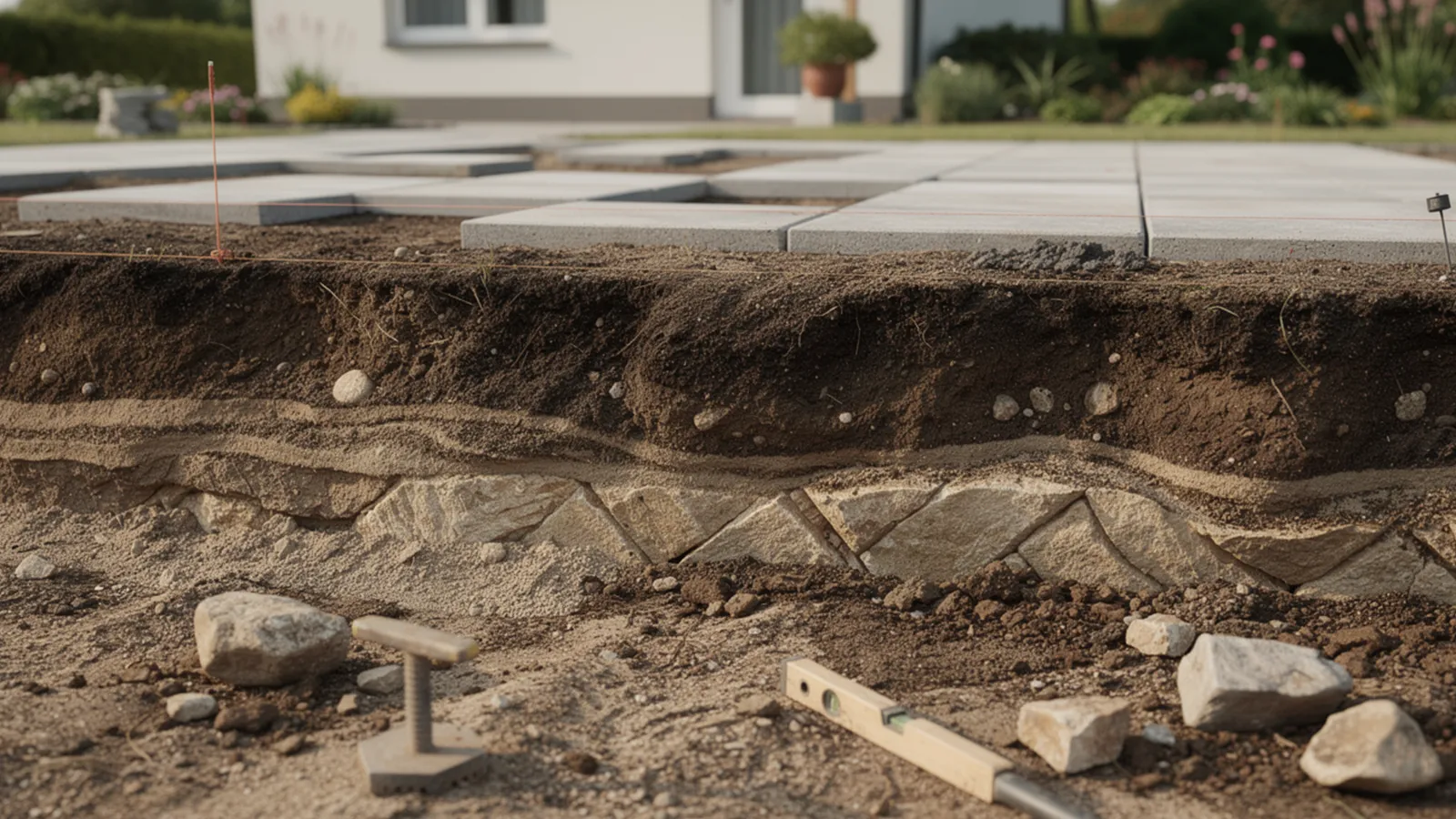
Outdoor spaces can look finished long before the soil beneath them fully stabilizes. When soil is compacted too quickly or without proper moisture control, it keeps hidden weaknesses. These weaknesses usually appear slowly under normal use.
Layered compaction is critical for long-term stability. Compacting soil in thin, even layers reduces air pockets and future compression. Skipping this step leaves voids that collapse over time.
Base material selection is just as important. Crushed stone spreads loads and drains water far better than native soil alone. Relying only on existing soil assumes uniform stability that rarely exists.
Many uneven walkways and patios trace back to early shortcuts.
-
Thick soil lifts compacted at once.
-
Inconsistent moisture during compaction.
-
Insufficient base depth.
A closer look at how early construction choices affect long-term results is covered in This in-depth explanation shows how construction choices contribute to why outdoor walkways become uneven over time.
How Landscaping Choices Affect Soil Movement
Landscaping changes often reshape how soil behaves long after installation. A heavy planter added near a patio or a decorative stone placed beside a walkway introduces new pressure the soil was never prepared to handle. Over time, this extra load compresses the ground unevenly.
Plant roots influence stability in quieter ways. As roots grow, they push soil aside and alter support patterns. When plants are removed or roots decay, empty spaces remain and allow soil above to sink.
Moisture retention adds another layer. Dense planting and mulch can keep soil wet longer than intended. While this looks healthy at the surface, it often weakens support below.
Common contributors include:
-
Heavy decorative elements near edges.
-
Trees planted too close to hard surfaces.
-
Overwatered planting beds.
These choices rarely cause immediate problems but shape long-term soil movement.
When Settling Becomes a Structural Concern
A single uneven slab is usually manageable, but repeating patterns signal something larger. When several surfaces begin shifting in the same direction, it often points to broader soil instability rather than isolated wear.
Cracks that continue widening deserve attention. Stable settling typically stops once soil finishes compressing. Ongoing change suggests active forces below.
Areas near structures are especially sensitive. Soil movement next to steps, retaining walls, or foundations alters load distribution and increases stress over time.
Signs that settling is moving beyond cosmetic include:
-
Elevation changes that return after minor fixes.
-
Cracks that reopen quickly.
-
Adjacent structures losing alignment.
Recognizing these patterns helps separate surface issues from deeper problems.
Practical Assessment Methods Before Repairs
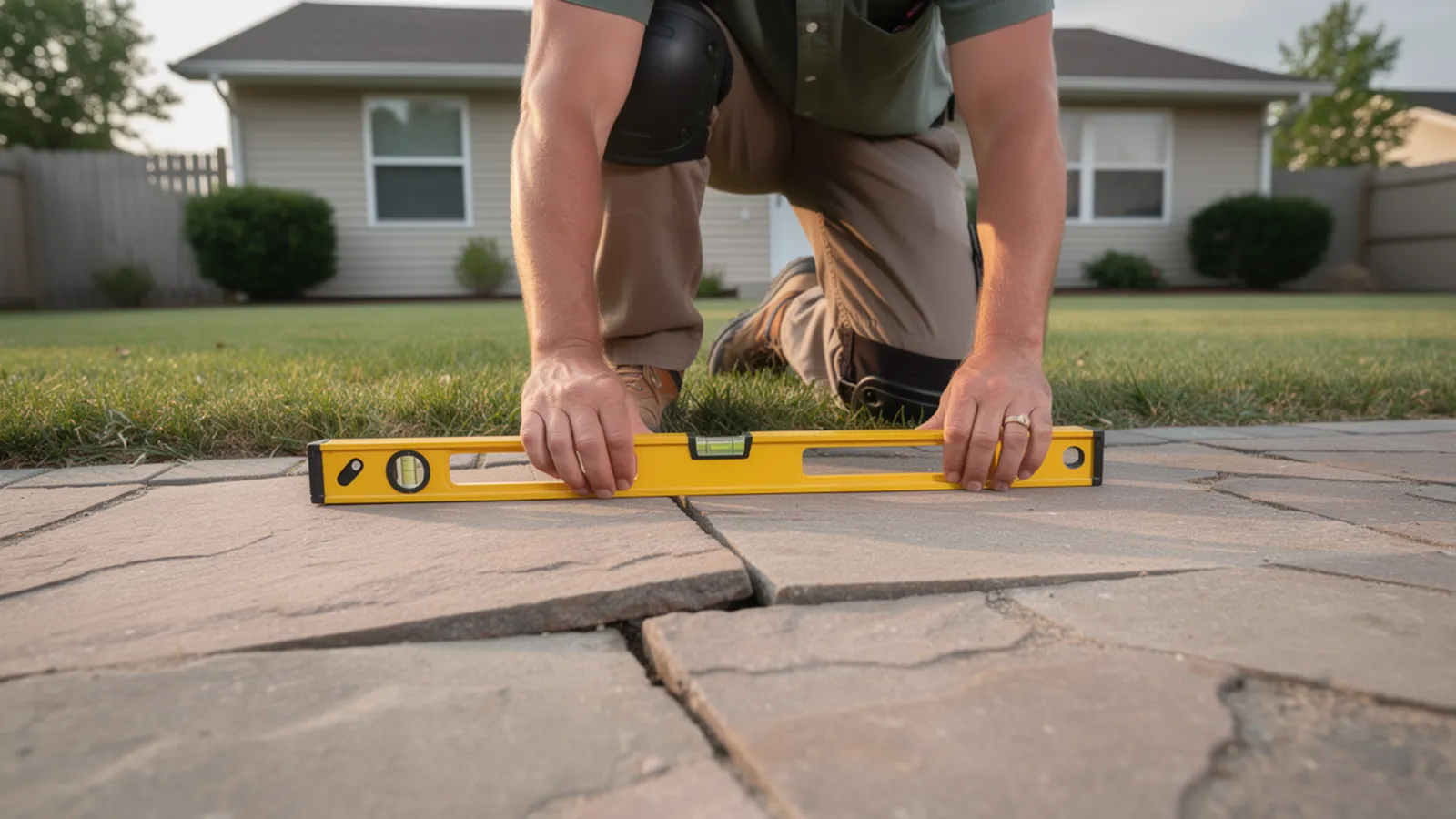
Before repairs, it helps to understand how much movement has already occurred. Walking the area and noticing where surfaces feel different underfoot often reveals patterns visuals alone miss.
Simple checks can clarify what is happening.
-
Measuring height differences between slabs.
-
Pressing soil at exposed edges to gauge firmness.
-
Watching where water pools after rain.
Tracking changes over time adds context. Marking cracks or noting slopes periodically shows whether settling is ongoing or has stabilized. Active movement usually means surface fixes alone will not last.
When patterns are unclear or widespread, professional evaluation provides clarity and prevents unnecessary repairs.