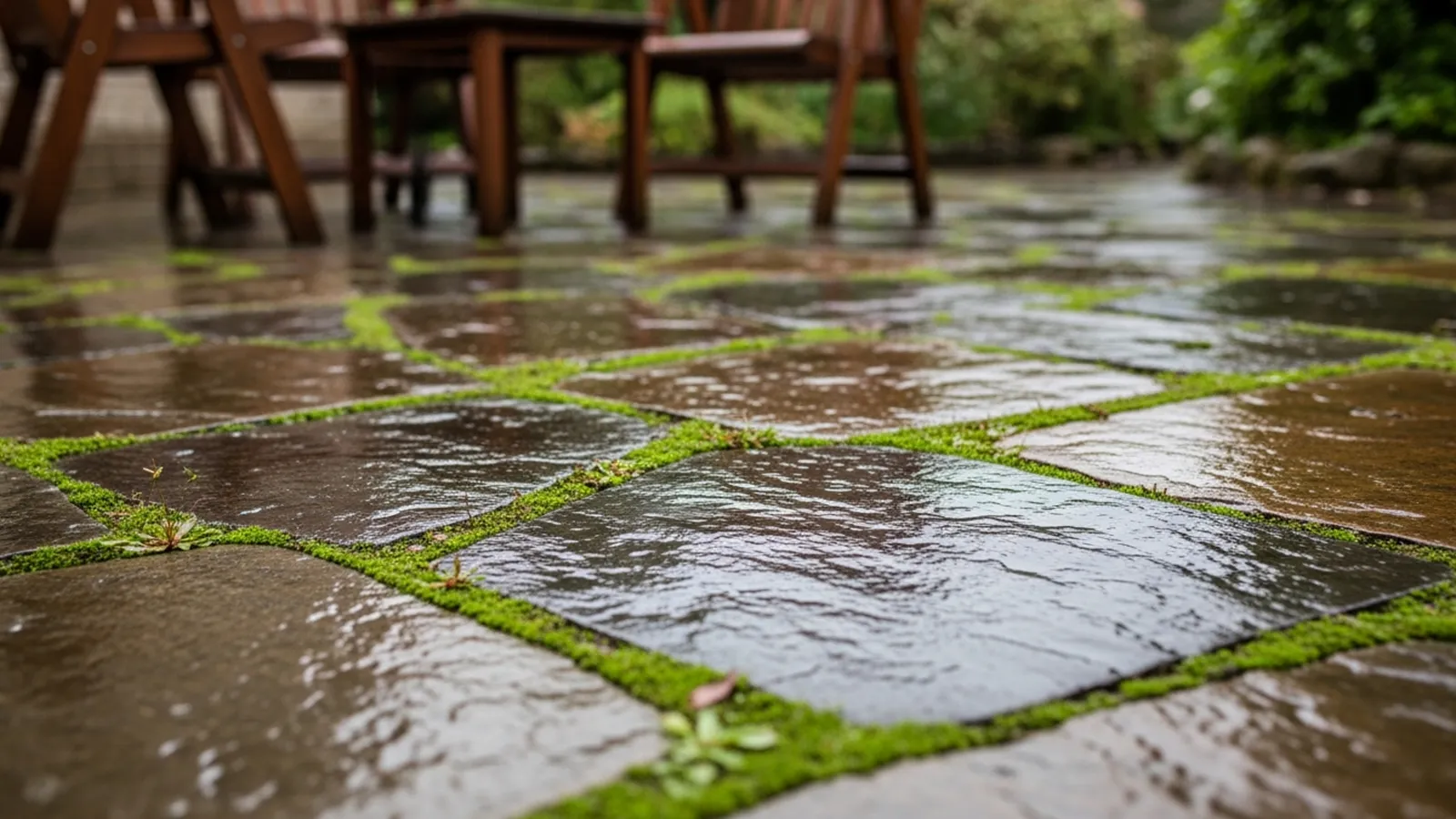
Outdoor stone surfaces feel reliable because they look solid, but that confidence often fades after rain or cool, damp conditions when the surface suddenly feels slick. Slip risk builds slowly as weather, wear, and ground changes overlap, and most people notice it only after a brief slip or hesitation.
What Makes Outdoor Stone Slippery
A stone walkway often feels most dangerous right after a light rain or early in the morning. That slick feeling comes from reduced friction, usually caused by a thin layer of moisture that sits on top of the stone instead of soaking in. Smooth or sealed stones are especially vulnerable because water spreads evenly across the surface.
Several factors contribute to this loss of grip over time:
-
Thin moisture films that act like a lubricant.
-
Gradual smoothing from foot traffic and weather exposure.
-
Sealed surfaces that prevent water from dispersing.
Many stones also change subtly as they age. Repeated wet-dry cycles and constant use slowly polish the surface, even if the stone still looks textured. This makes the loss of traction easy to miss until it becomes noticeable underfoot.
💡 Cleaning products can quietly make the problem worse. Some soaps and sealers leave behind a residue that feels harmless when dry. Once moisture returns, that invisible layer can significantly increase the chance of slipping.
Weather and Environmental Triggers
A walkway that feels fine during the day can become risky overnight. Light rain, fog, or morning dew often create more dangerous conditions than heavy storms because the moisture layer is thin and easy to overlook. These are the moments when slips tend to happen unexpectedly.
Environmental exposure adds another layer of risk:
-
Shaded areas that stay damp longer.
-
Organic growth like algae or moss forming biofilms.
-
Fine debris breaking down into slick surface residue.
Organic buildup is especially common in areas near trees, fences, or irrigation systems. Even when the stone looks dry, these growths can remain slick to the touch. Over time, they change how the surface feels during everyday use.
✔️ Seasonal debris also plays a role. Leaves, pollen, and dust collect in joints and pores, then compress under foot traffic. Once moisture returns, these trapped particles keep the surface slick far longer than expected.
Stone Type and Surface Finish Matter
A patio that looks refined and smooth often feels that way underfoot as well. Dense stones such as granite or marble tend to repel water, which increases slickness when the surface is wet. More porous stones absorb moisture but can still become slippery if sealed incorrectly.
Surface finish has a major impact on everyday traction:
-
Polished or honed finishes reduce grip.
-
Textured or flamed finishes offer better resistance.
-
Worn finishes lose effectiveness over time.
The difference becomes obvious during normal movement. Smooth finishes feel fine when walking straight but become risky during turns or sudden stops. This change in behavior is often subtle and easy to ignore.
🐾 Pets experience this even more directly. Smooth stone limits how well paws can grip, especially during quick movements. A surface that feels manageable for people may feel unstable for animals.
How Ground Changes Increase Slip Risk
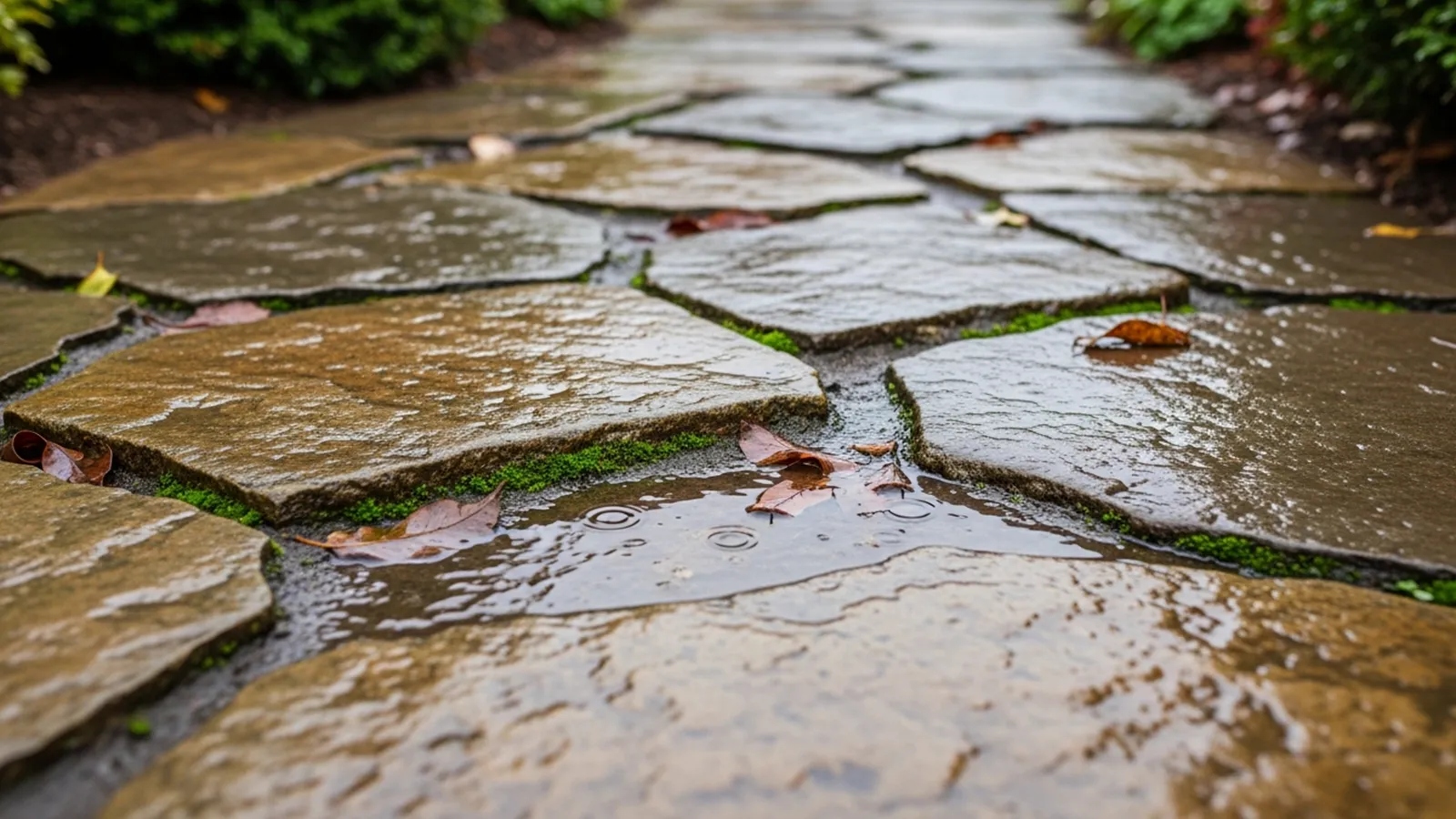
A walkway often starts to feel slick in the same spots over and over. These areas usually collect water because the ground beneath has shifted slightly. Even small changes in elevation can trap moisture instead of letting it drain away.
Ground movement affects safety in several ways:
-
Low spots hold moisture longer.
-
Tilted stones reduce contact stability.
-
Drainage patterns change gradually.
When weight lands on an uneven stone, the foot or paw makes less contact with the surface. That reduced contact lowers friction at the exact moment balance is needed most. Moisture makes this effect more pronounced.
⚠️ These changes often go unnoticed because they happen slowly. As water flow and wear concentrate in the same areas, traction loss accelerates. What looks like a minor surface issue can become a consistent hazard.
Why Slips Are Dangerous for People and Pets
A slip on stone usually happens fast and without much chance to recover balance. Because stone is hard, falls tend to involve direct impact rather than gradual loss of footing. This increases the risk of joint injuries, fractures, and head contact.
The danger affects different users in different ways:
-
People face sudden impact injuries.
-
Pets experience muscle and ligament strain.
-
Older individuals are less able to recover balance.
Pets often slip while turning or accelerating. These movements place stress on joints and connective tissue, especially in older animals. Repeated slips can worsen existing mobility issues.
❌ Minor slips should not be dismissed. They often signal a surface condition that is getting worse. Addressing the cause early helps prevent more serious injuries later.
Early Warning Signs Homeowners Miss
Certain areas start to feel different underfoot long before a fall happens. Spots that stay damp longer, appear darker after rain, or feel slick during light moisture usually point to underlying issues. These changes are often subtle but consistent.
Warning signs tend to show up in everyday behavior:
-
Pets avoiding specific paths.
-
People slowing down or adjusting steps.
-
Repeated dampness in the same locations.
Visual inspection alone is not always enough. A surface can look clean while still lacking traction. Paying attention to how the space is used often reveals problems sooner.
💡 Behavior changes are an early signal. When movement feels less natural, the surface is often the reason. Recognizing these cues allows problems to be addressed before an accident occurs.
How Water Drainage Influences Surface Traction
A stone surface that feels slippery in the same spots after every rain usually points to how water moves across it. When moisture does not drain away naturally, it lingers just long enough to change how the surface feels underfoot. These are often the areas where people hesitate without fully realizing why.
Drainage problems tend to show up through everyday patterns:
-
Water taking longer to dry in certain zones.
-
Darker patches appearing after light rain.
-
Slickness returning quickly even after cleaning.
Cleaning Practices That Can Increase or Reduce Risk
Many slippery surfaces start feeling worse right after they are cleaned. This happens when products leave behind a smooth residue that reacts badly with moisture. The stone may look cleaner, but traction quietly drops.
Certain cleaning choices have a bigger impact than expected:
-
Gloss-enhancing cleaners that leave a film.
-
Wax-based products designed for indoor use.
-
Sealers applied too heavily or too often.
Gentler cleaning methods help the stone keep its natural grip because stone-specific cleaners remove buildup without leaving a coating, and simple rinsing limits residue over time.
⚠️ Pressure washing, however, can quietly change how the surface behaves by smoothing texture and opening pores unevenly, which alters water spread and can increase slipping later.
How Ground Movement Changes Over Time
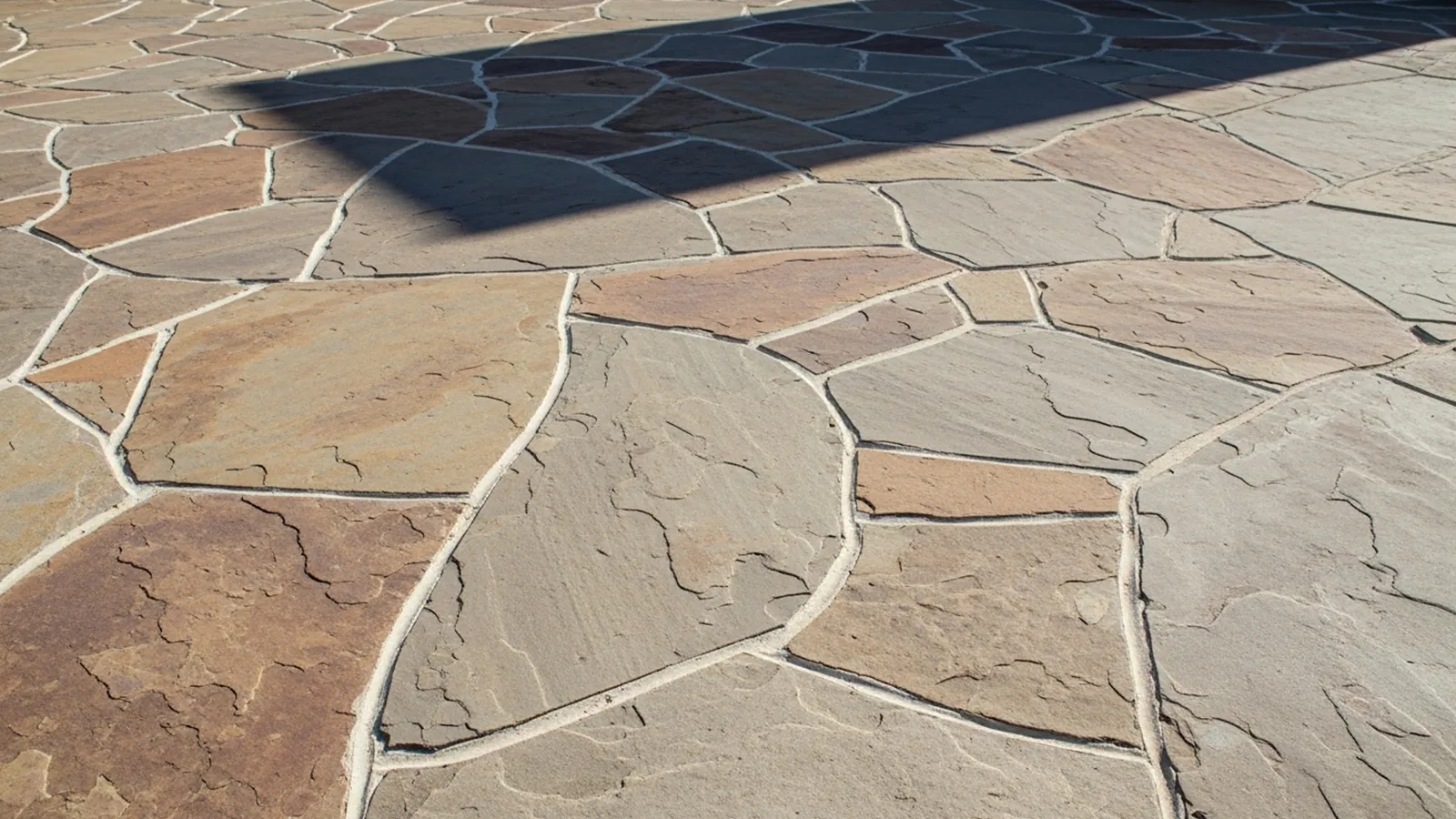
A surface that once drained well can start holding moisture years later without obvious damage. Soil expands, contracts, and settles, slowly changing how stones sit against each other. These shifts often feel like isolated slick spots at first.
Ground movement affects surface behavior in practical ways:
-
Slopes redirect water toward walking paths.
-
Joints widen and trap moisture.
-
Stones tilt and lose stable contact.
As alignment changes, the stone’s original traction properties weaken. Water that once flowed away begins to pool along edges and seams. The surface looks intact but behaves very differently during normal use.
💡 Early signs of movement are easy to miss because they develop slowly. Catching them early helps preserve both drainage and traction before larger issues form.
Pets, Foot Traffic, and Wear Patterns
Paths that feel slick tend to match how the space is used every day. Frequent walking slowly polishes stone, even if the texture looks unchanged. Entry points, pool edges, and main walkways are usually affected first.
Wear patterns develop through repeated use:
-
Foot traffic smoothing surface texture.
-
Claws concentrating pressure in small areas.
-
Residue compressing where movement is frequent.
🐾 Pets contribute differently than people. Claws apply focused pressure that accelerates micro-wear. Over time, the areas pets use most can become the slickest parts of the surface.
These changes are gradual, which makes them easy to overlook. The stone still looks fine, but grip decreases little by little. Noticing where people and pets naturally move helps identify risk zones early.
Evaluating Slip Risk Before Accidents Happen
Many slip hazards announce themselves quietly. Areas that dry slower, feel slick during light moisture, or cause subtle hesitation are usually telling a story. These patterns show up long before an actual fall occurs.
Common early indicators include:
-
Repeated dampness in the same locations.
-
Surfaces that feel smooth under light pressure.
-
Changes in how people or pets move through the space.
Visual inspection alone often misses these cues. Traction loss is more about feel than appearance. Paying attention to movement patterns provides clearer insight.
❌ Ignoring early signs allows small problems to spread. As moisture and wear interact, slick areas grow larger and harder to correct. Early evaluation keeps solutions focused and effective.
Long-Term Solutions That Preserve Safety
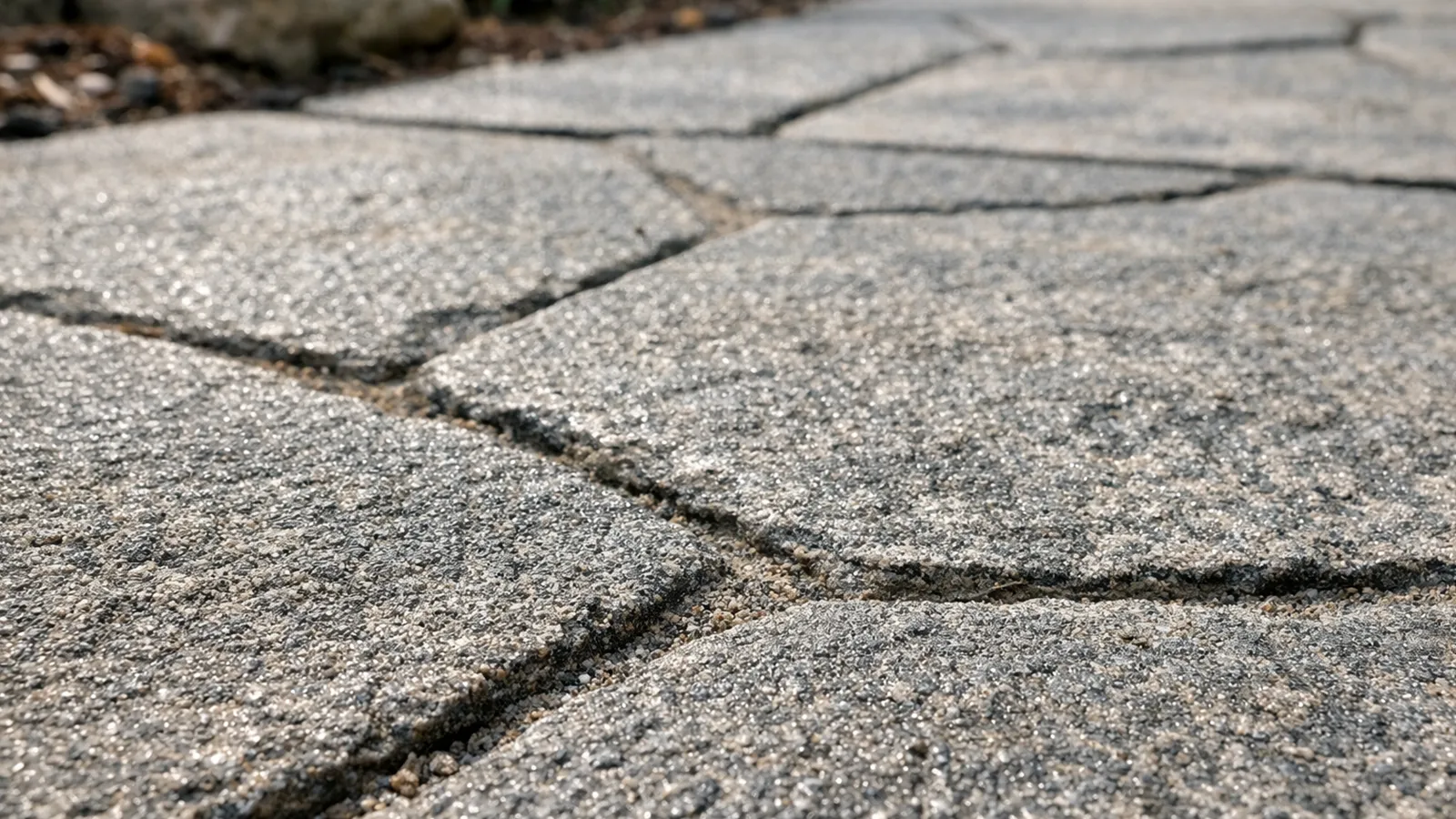
Surfaces tend to feel safest when traction is restored rather than masked. Treatments that increase texture work by improving friction at the contact point. They do not rely on coatings that wear away quickly.
Long-term improvement often comes from combining approaches:
-
Restoring surface texture.
-
Correcting drainage patterns.
-
Monitoring ground movement over time.
✔️ Maintenance plays a key role in keeping these solutions effective. Regular inspection and appropriate cleaning prevent traction from fading again. These steps help outdoor stone remain predictable and safe as conditions change.
How Surface Texture Directly Affects Grip
A stone surface often starts to feel less trustworthy during simple movements like turning or stopping. That loss of confidence usually comes down to texture, not the stone itself. When texture is shallow, water fills the tiny grooves and reduces the contact needed for stable footing.
Texture changes tend to show up through everyday use:
-
Surfaces feeling smoother than they look.
-
Slips happening during turns rather than straight steps.
-
Reduced grip when shoes or paws are slightly wet.
✔️ Texture loss happens gradually through wear, weather, or refinishing, and because the stone still looks solid, the change is easy to miss until traction suddenly feels unreliable.
Restoring texture focuses on improving how the surface handles pressure and moisture, often without replacing the stone or changing the layout, to bring back consistent grip where it has faded.
Seasonal Conditions That Intensify Slipperiness
Stone surfaces often behave differently as seasons change. Freeze-thaw cycles open tiny cracks that later hold moisture, making surfaces slick even in mild weather. In warmer months, dust and pollen settle into the stone and become slippery once damp.
Seasonal risk tends to increase during transitions:
-
Early morning dew after cool nights.
-
Light rain following dry periods.
-
Shaded frost melt during temperature swings.
When Uneven Ground Becomes a Safety Issue
Walking across slightly uneven stone often feels different even before it looks different. Weight shifts more abruptly, especially when stepping from one stone to another. This instability increases slip risk even when the surface is dry.
Uneven ground creates problems that build on each other:
-
Foot placement becomes less stable.
-
Moisture and debris collect in low spots.
-
Wear concentrates in the same areas.
Over time, these spots stay slick longer and degrade faster. What begins as a small height difference can turn into a repeated trouble area that affects how people move through the space.
💡 Addressing unevenness early helps restore predictable movement. Correcting alignment improves drainage and traction at the same time. This prevents minor issues from turning into ongoing hazards.
Choosing Preventive Treatments Wisely
Some surfaces feel safer immediately after treatment, but that effect does not always last. Certain coatings wear unevenly or change how stone reacts to moisture. The result can be inconsistent traction that feels unreliable.
Treatment effectiveness depends on several factors:
-
How much foot and pet traffic the area sees.
-
Exposure to sun, shade, and water.
-
Compatibility with the existing stone.
Integrating Safety Into Outdoor Design
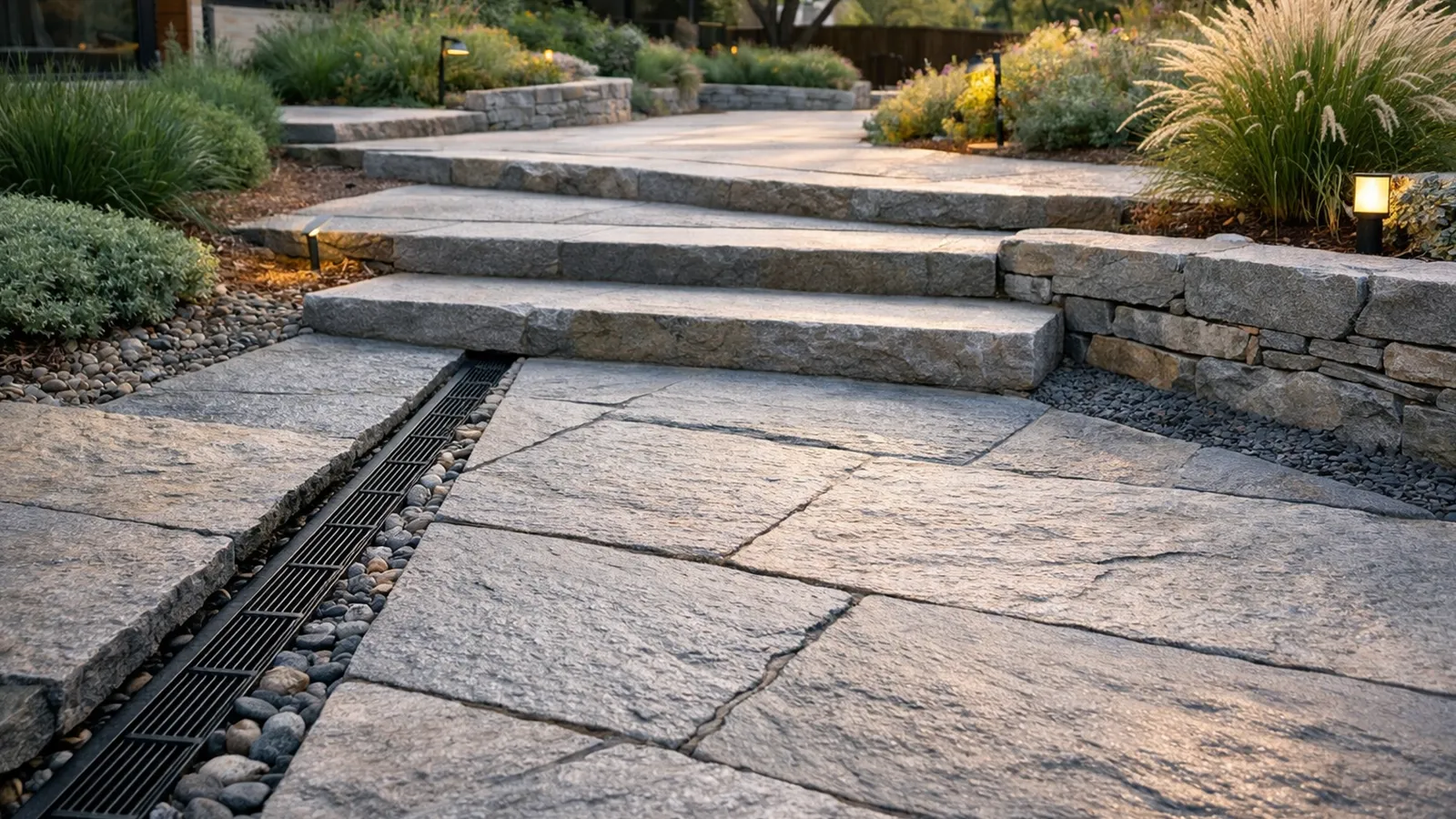
Spaces that feel safest usually share one thing in common. Traction, drainage, and movement are considered together from the start. Stone choice, slope, and layout all influence how naturally people move.
Design details that improve everyday safety include:
-
Gentle transitions instead of abrupt level changes.
-
Predictable walking paths.
-
Textured surfaces in high-use areas.
🐾 Pet-friendly design pays attention to paw grip as well as footwear. Surfaces that feel stable reduce hesitation and strain for animals moving through the space daily. This creates a more comfortable environment for everyone.
Building Long-Term Awareness and Maintenance Habits
Outdoor stone surfaces change over time, even when they are well built. Regular use, weather exposure, and ground movement slowly alter how they behave. Staying aware of these changes helps prevent surprises.
Effective maintenance habits tend to include:
-
Periodic surface checks after weather changes.
-
Adjusting cleaning methods as stone ages.
-
Watching for repeated slick spots.
✔️ Long-term safety comes from attention rather than constant intervention. Small observations made early reduce the need for major corrections later. This approach keeps outdoor stone reliable without compromising its appearance.
Industry guidelines: https://www.osha.gov/