How to Fix Slippery Dockside Stone Paths Near Lakes

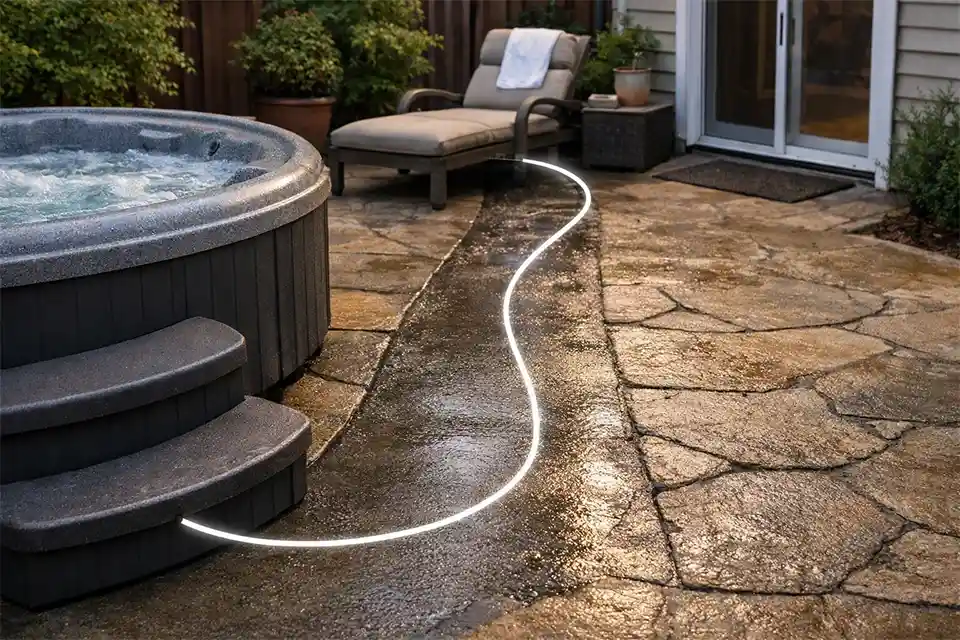
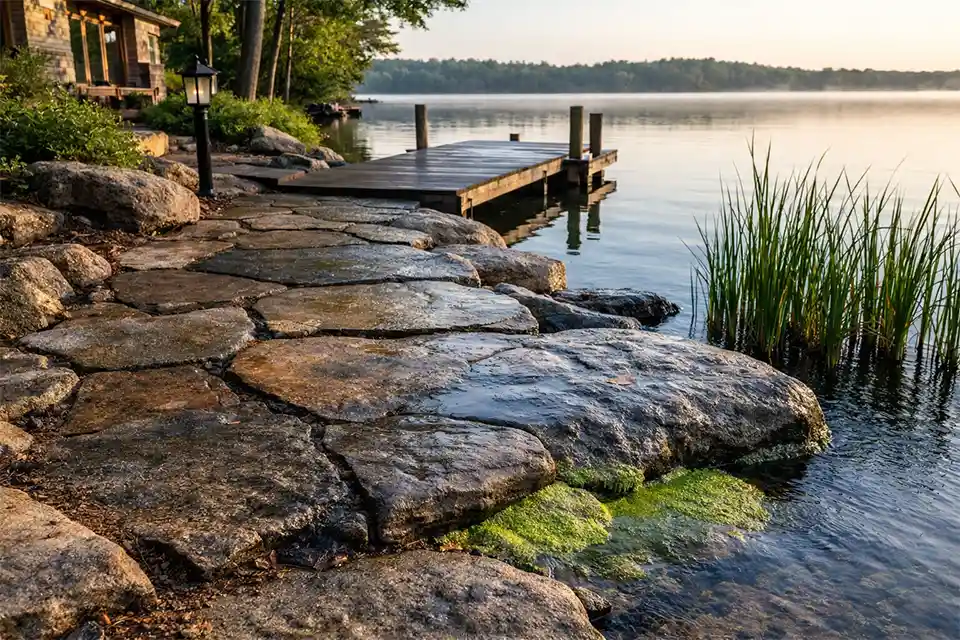
Slippery algae-covered dockside stone path near a lake

Dockside stone paths near lakes usually become slippery because they stay damp too long, not because the stone suddenly “fails.” The most common pattern is a mix of shoreline splash, slow-drying morning moisture, organic film, and a finish that loses grip once a thin water layer forms. Start with three checks that actually separate a … Read more

Are Polished Stone Walkways Safe Around Outdoor Kitchens?

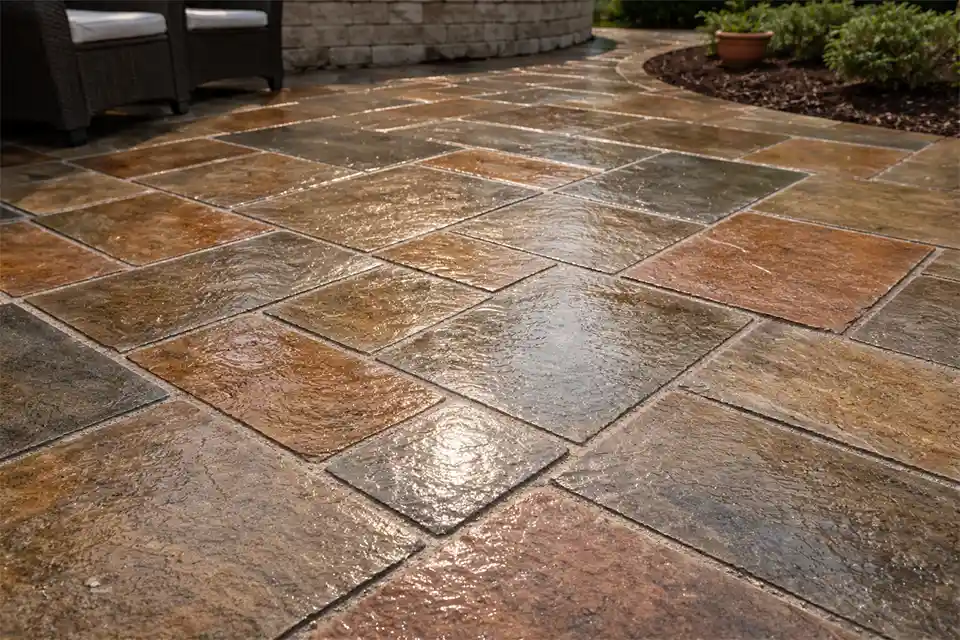
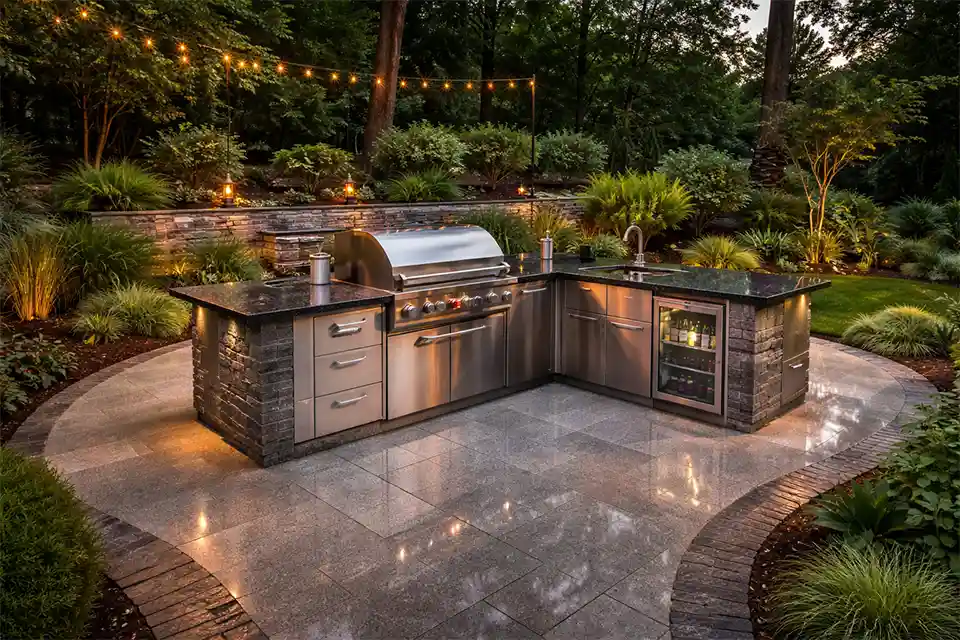
Polished granite walkway installed around an outdoor kitchen grill island in a residential backyard.

Quick Solution Summary Polished stone walkways are often installed around outdoor kitchens because they create a refined, high-end appearance and complement modern backyard designs. Materials like granite, limestone, and travertine are frequently polished to achieve a glossy finish that reflects light and enhances the visual appeal of grilling and dining areas. However, the same smooth … Read more

Slippery Driveway Pavers on Steep Slopes: Causes and Fixes

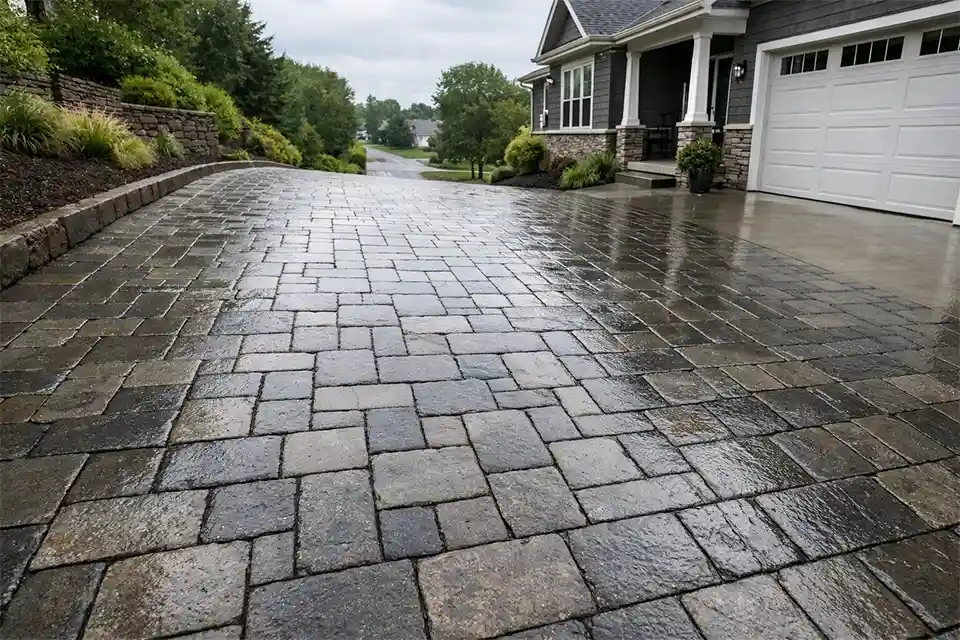
Steep residential driveway with slippery paver surface after rainfall creating traction risks.

Quick Solution Summary Driveway pavers installed on steep residential slopes can become dangerously slippery when moisture, organic growth, or surface wear reduces traction. The problem typically appears after rainfall, early morning dew, irrigation runoff, or seasonal humidity. On slopes steeper than roughly 8–12% grade, gravity significantly increases downhill force, which means even a slightly slick … Read more

Why Driveway Pavers Become Slippery on Steep Slopes

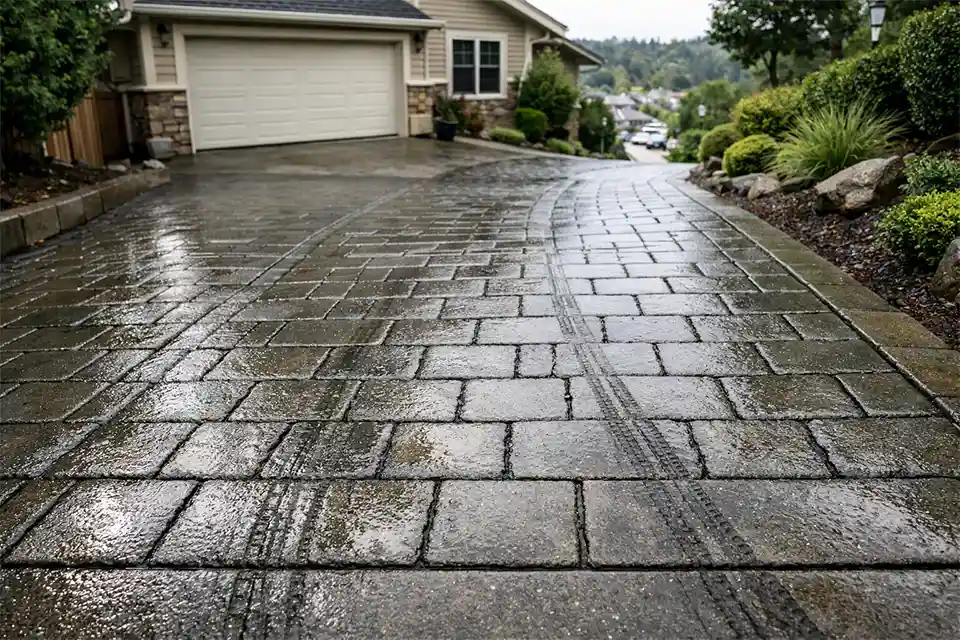
Steep residential driveway with slippery pavers and water runoff creating traction risk.

Quick Solution Summary Driveway pavers installed on steep residential slopes can become slippery when water, organic growth, or smooth surface finishes reduce traction. On sloped driveways—especially those exceeding 10–15% grade—even a thin layer of moisture can significantly lower friction between the paver surface and shoes or vehicle tires. The issue often appears after rainfall, irrigation … Read more

Why Poolside Patio Stone Becomes Slippery After Splashing

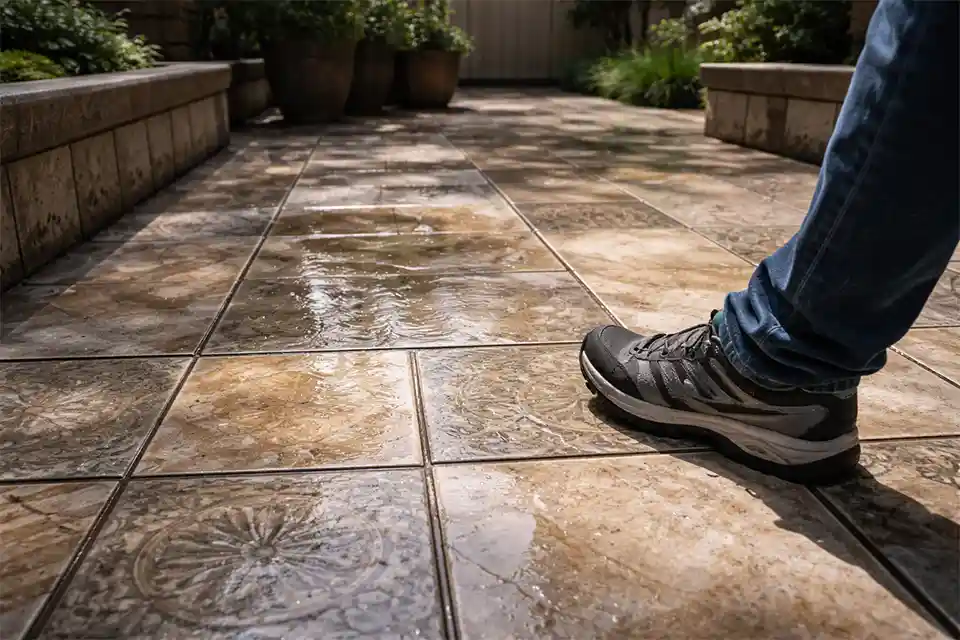
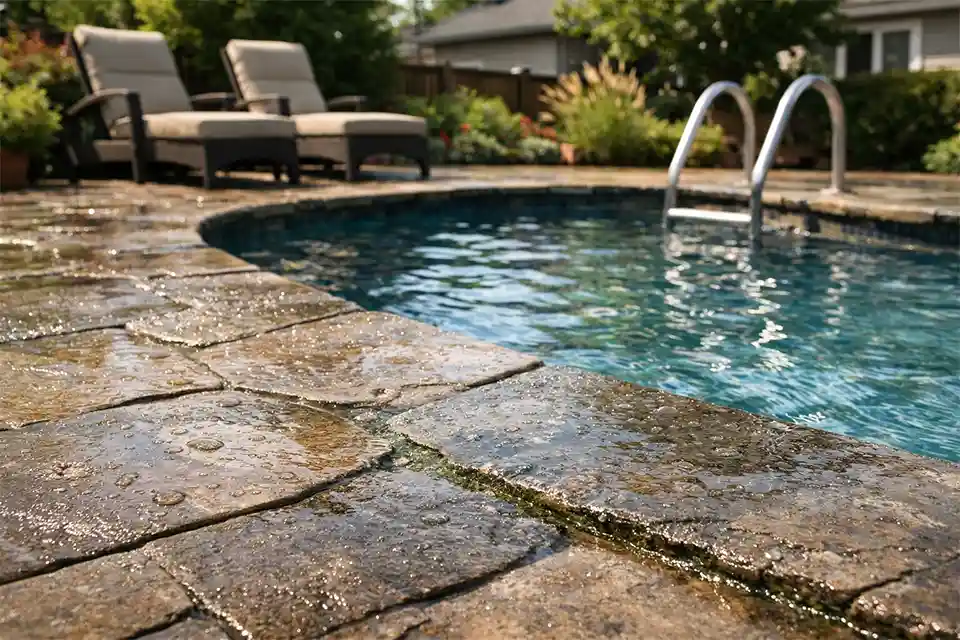
Wet patio stone around backyard swimming pool becoming slippery from repeated splashing.

Quick Solution Summary Patio stone around backyard pools often becomes slippery after frequent splashing because moisture repeatedly wets the surface faster than it can dry. When water exposure occurs dozens of times per hour during active pool use, the stone remains damp long enough for algae, biofilm, sunscreen oils, and mineral residue from pool chemicals … Read more

Slippery Surfaces After Rain: Why They Feel Dangerous Even When They Look Dry

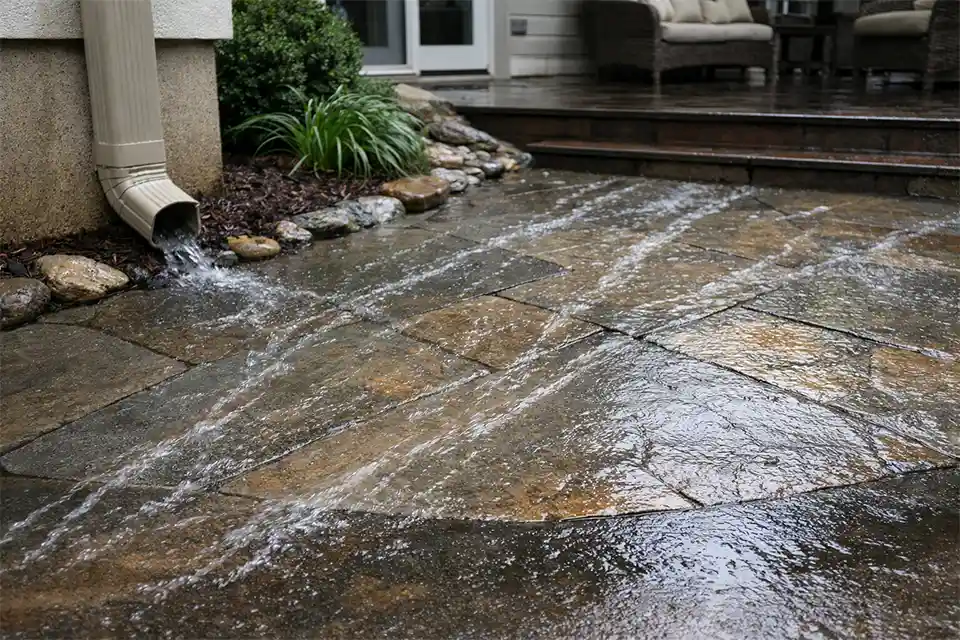
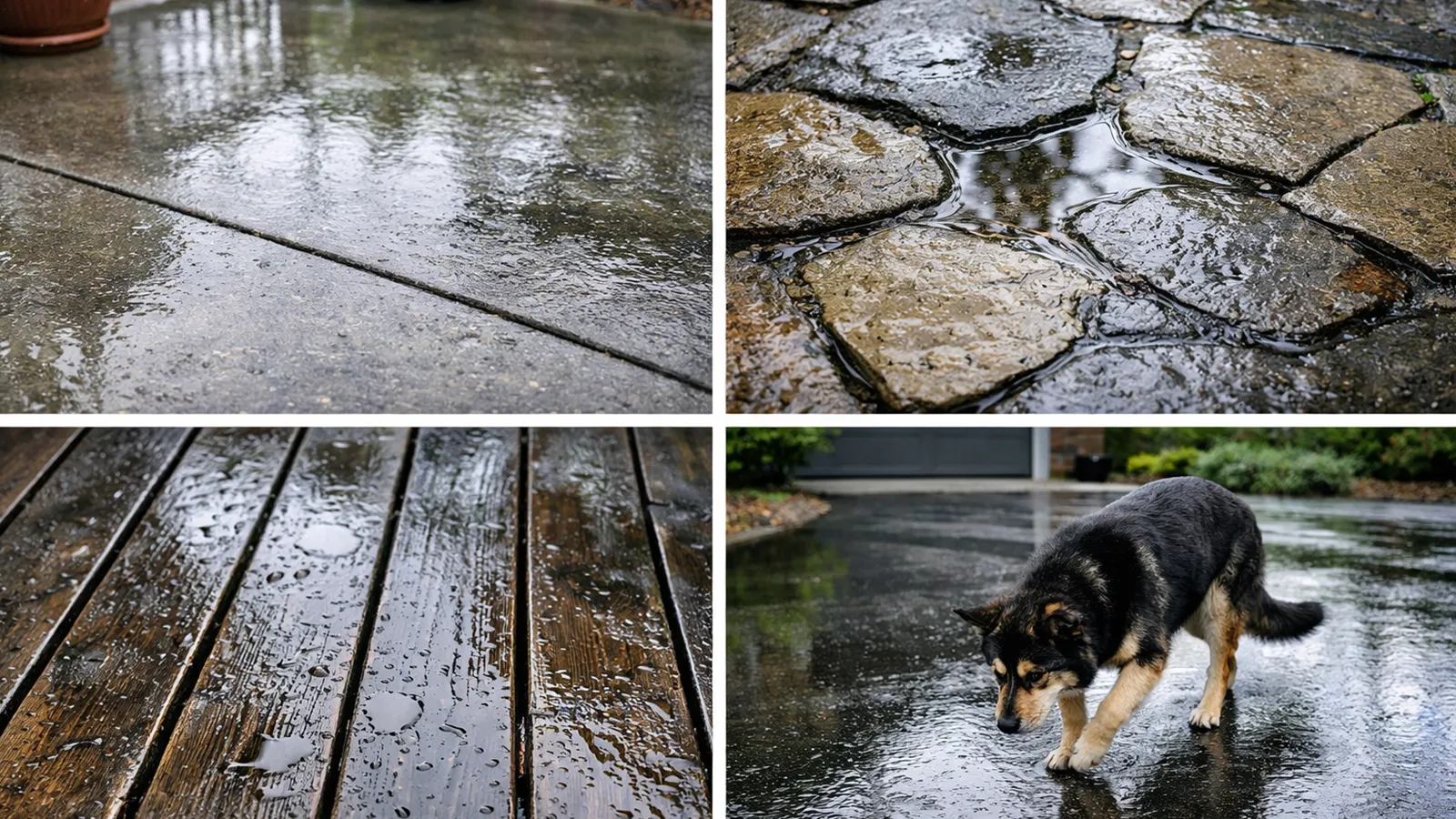
Wet outdoor surfaces including concrete, pavers, and a wooden deck showing reflective rainwater that increases slip risk.

You step outside after a light rain. The patio looks normal, just a shade darker than usual. Then your foot slides half an inch before you catch yourself. Nothing looks broken. Nothing looks flooded. Yet the ground feels different under your shoes. That quiet shift is the real problem. Surfaces that seem fine can lose … Read more