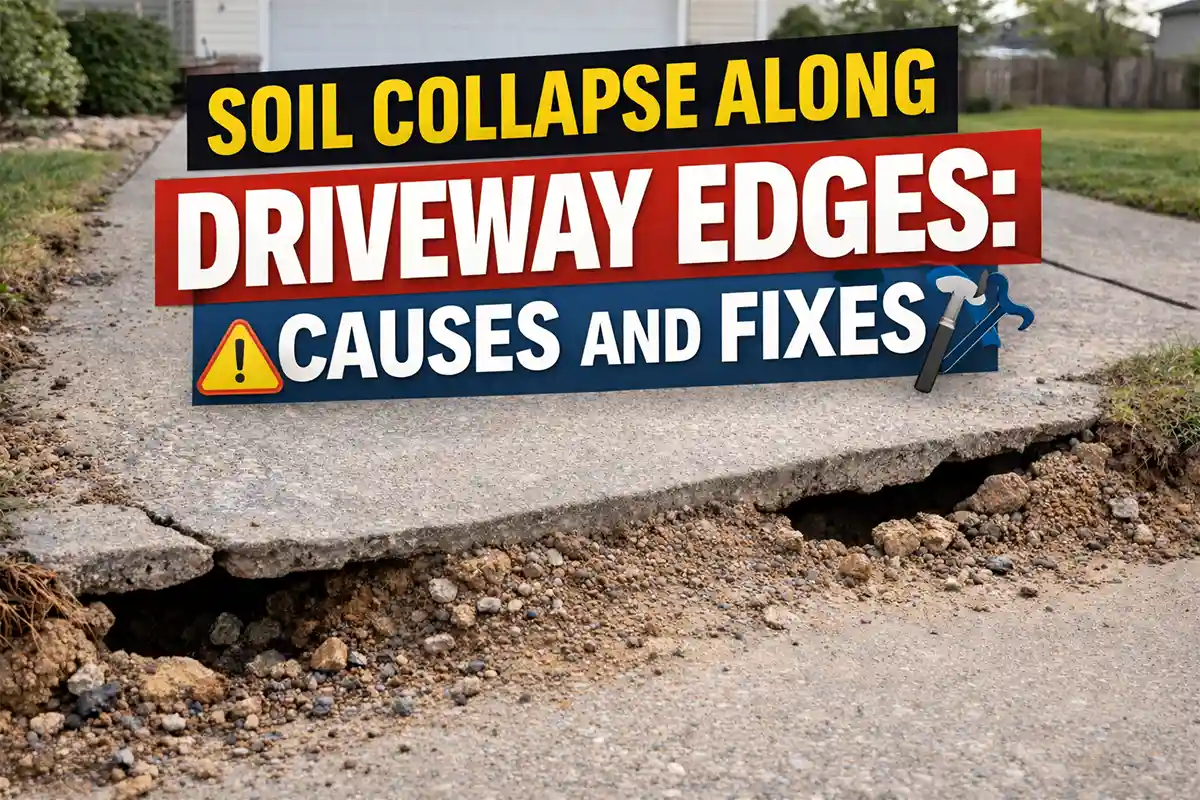
Why Uneven Ground Appears Around New Homes (Backfill Soil Settling)

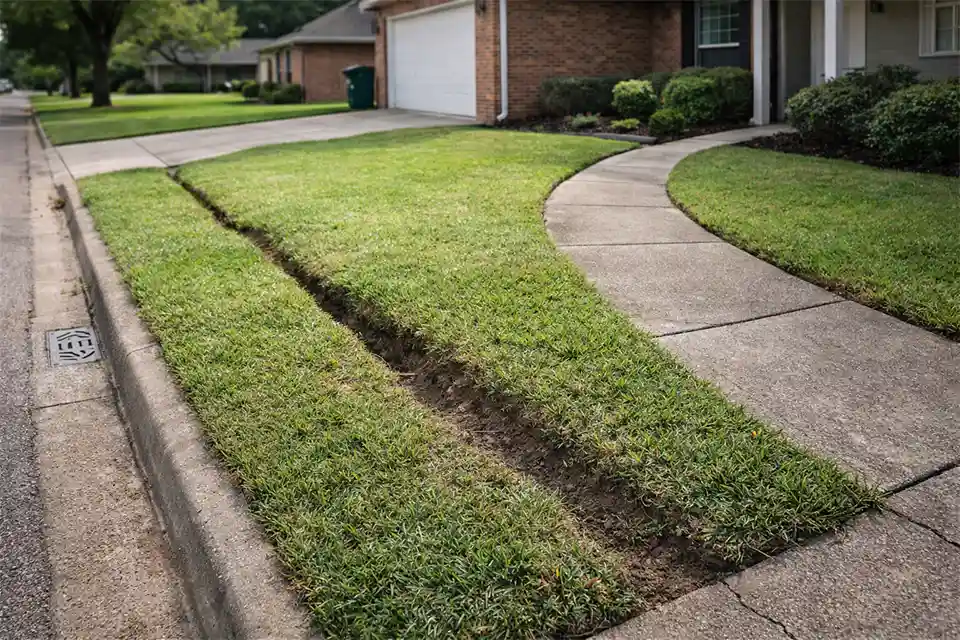
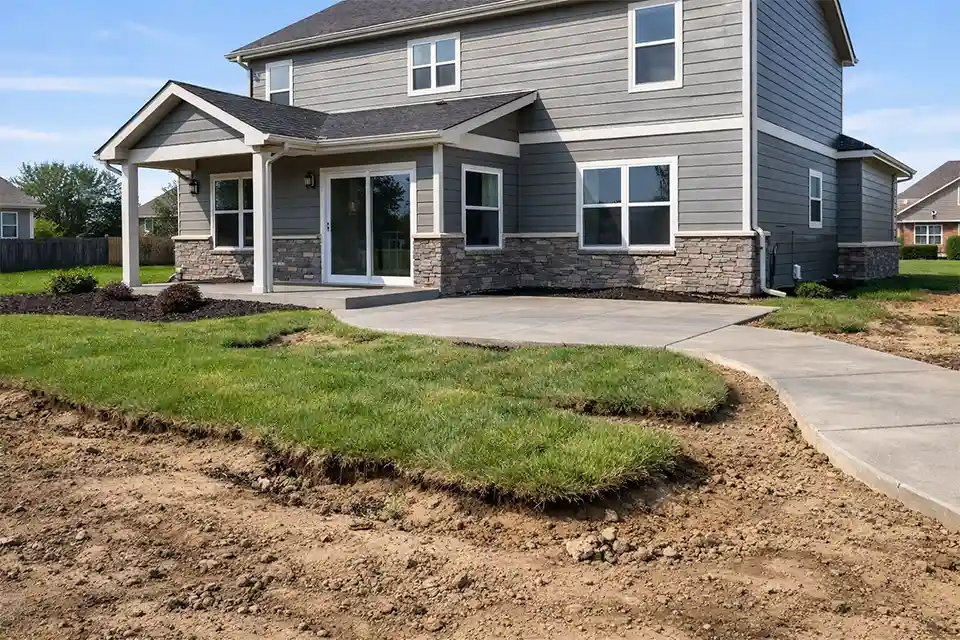
Uneven ground forming around a newly built home as backfill soil settles near foundation and yard areas.

Why New Construction Yards Often Become Uneven Uneven outdoor surfaces appearing around newly built homes are extremely common during the first 12–36 months after construction. The main cause is backfill soil settling. During home construction, contractors excavate soil for foundations, utility lines, drainage pipes, and footings. Once these systems are installed, the excavated soil is … Read more

Soil Pressure Behind Retaining Walls Causing Uneven Surfaces

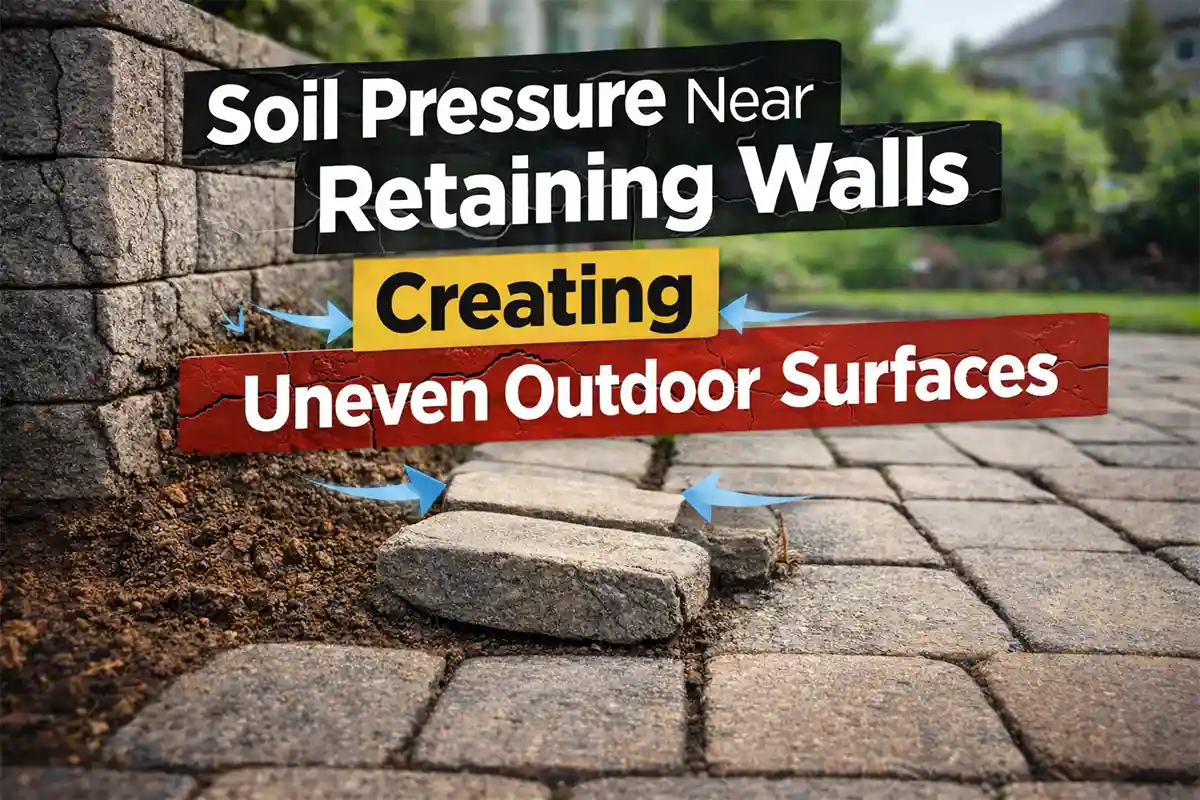
Uneven patio and walkway surfaces forming near a retaining wall due to soil pressure behind the wall.

Uneven patios, shifting walkways, or sinking driveway edges sometimes appear close to retaining walls. Homeowners often notice that the ground becomes slightly raised, sloped, or depressed within a few feet of the wall. In many cases, the underlying cause is soil pressure building behind the retaining wall. As the soil mass expands, absorbs water, or … Read more

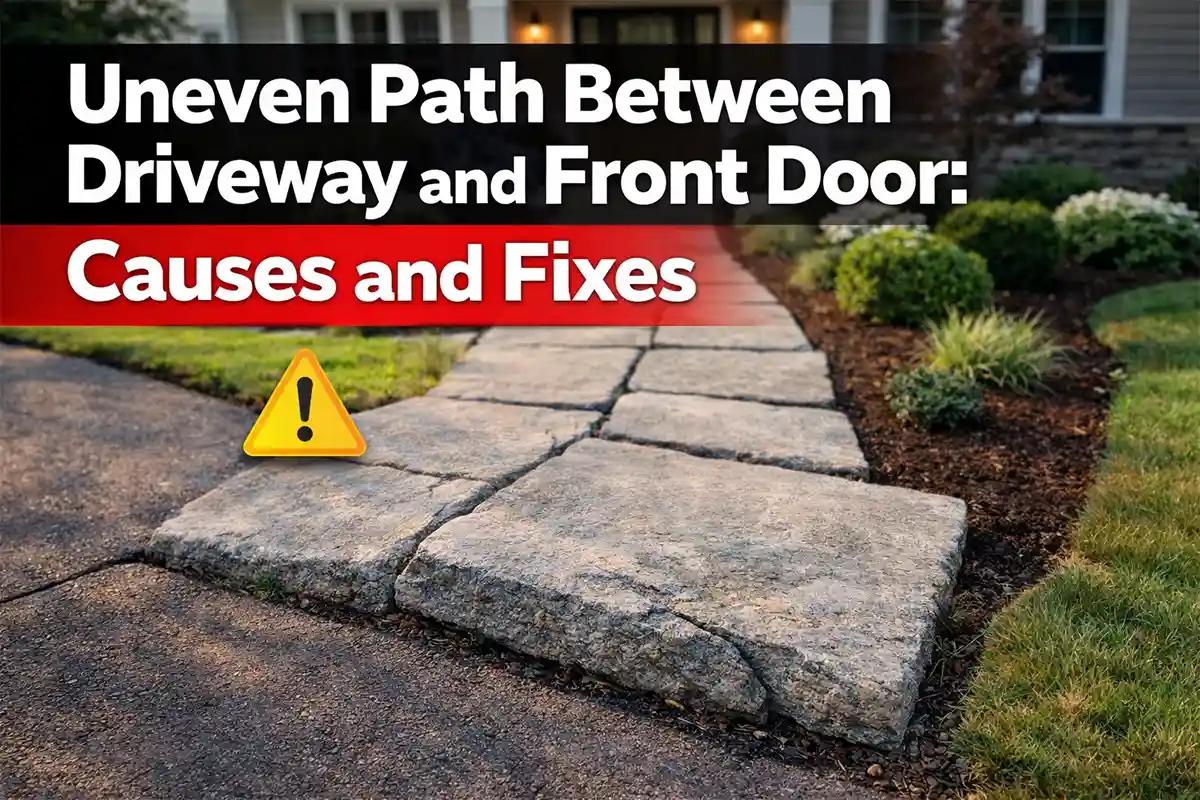
Why Older Concrete Walkways Become Uneven Over Time

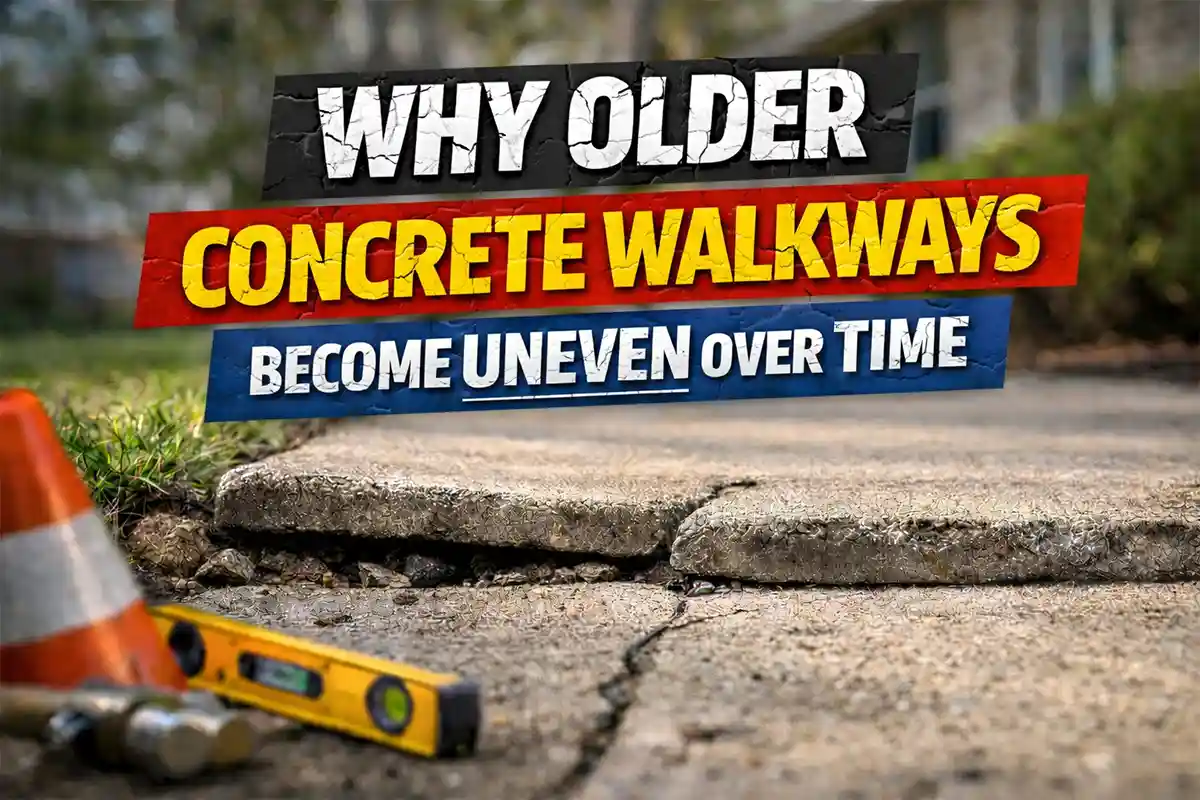
Uneven concrete walkway slabs caused by deteriorated base layer beneath older outdoor pathway

Older concrete walkways often become uneven as the supporting base layer underneath gradually deteriorates. When the gravel or soil base weakens, individual slabs may sink, tilt, or shift out of alignment, creating trip hazards and drainage problems along the path. This issue commonly appears in walkways that are 20–40 years old, particularly around homes where … Read more

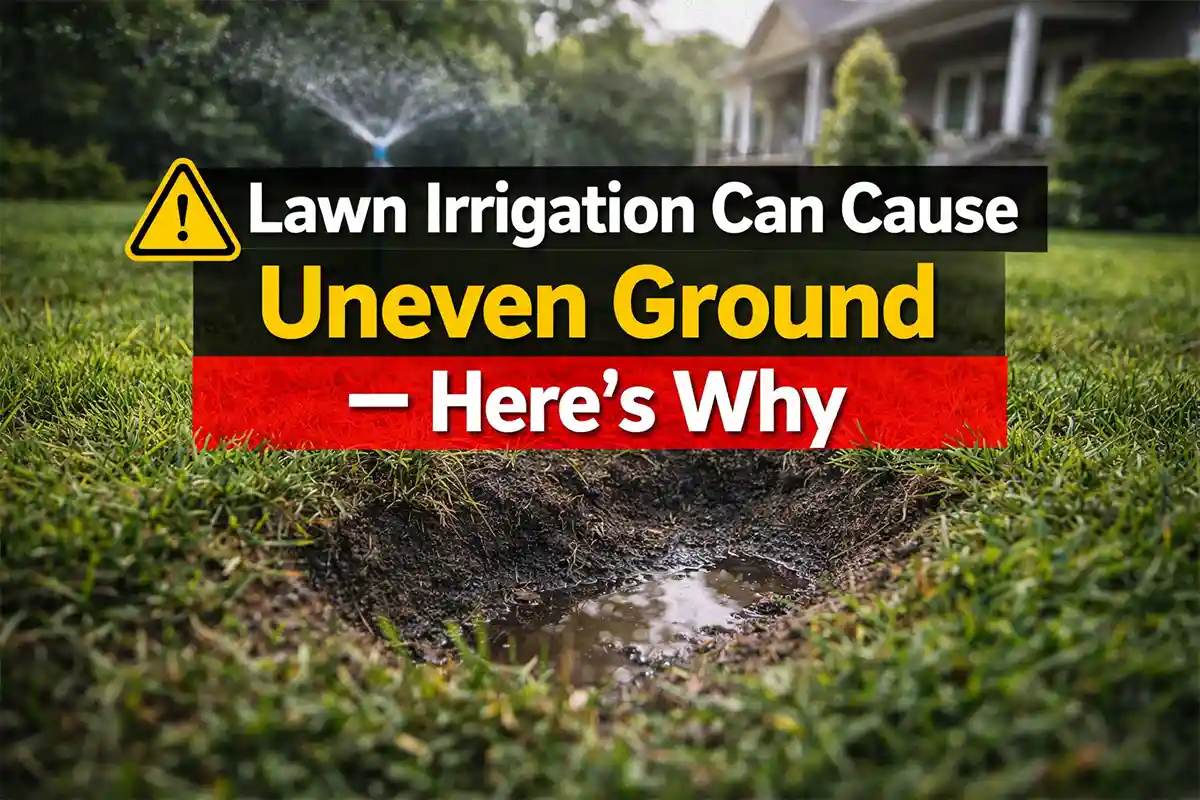
Lawn Irrigation Can Cause Uneven Ground — Here’s Why

Lawn irrigation oversaturating soil causing uneven outdoor walkway and ground settling.

When a lawn irrigation system delivers more water than the soil can absorb, the ground beneath nearby outdoor surfaces can slowly lose stability. Oversaturated soil becomes softer, weaker, and more prone to shifting. Over time this leads to sinking pavers, tilted stepping stones, and uneven walkways. The most effective fix usually involves adjusting the irrigation … Read more

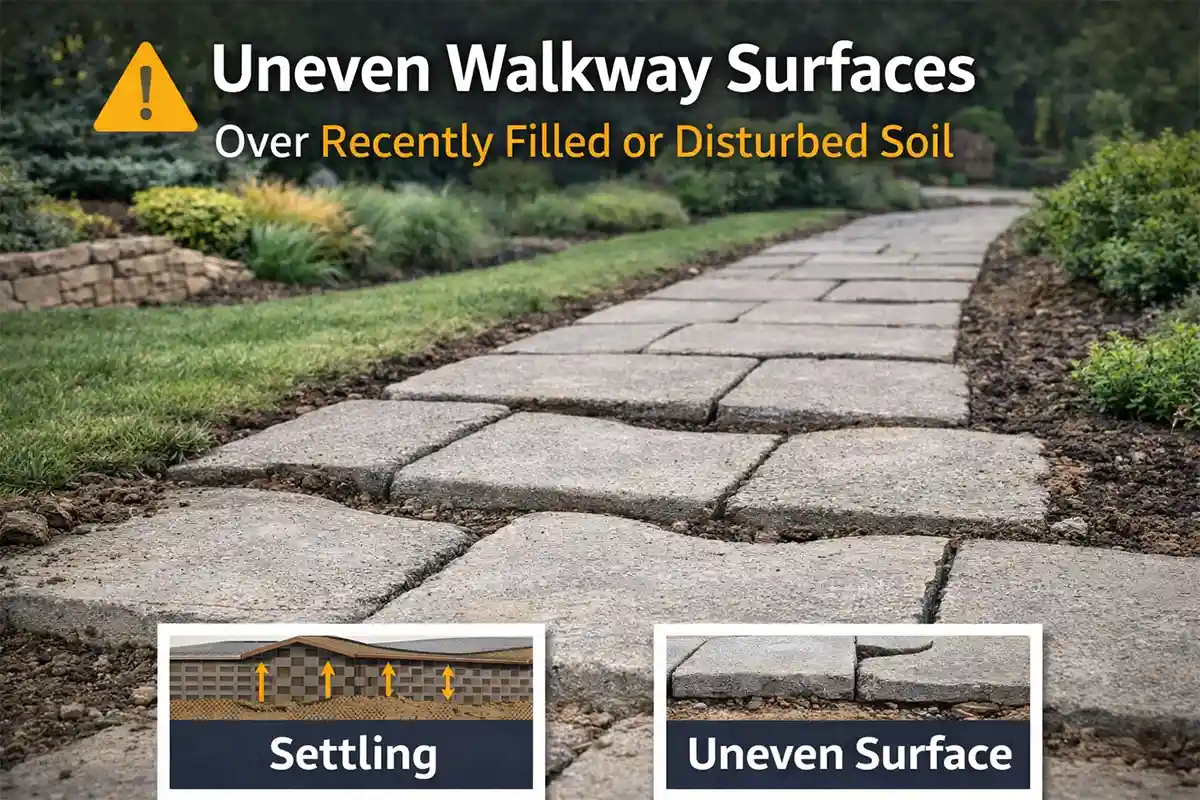
Uneven Walkway Surfaces Caused by Recently Filled or Disturbed Soil

Residential walkway with uneven pavers caused by soil settlement after recently filled ground.

Walkways installed over recently filled or disturbed ground often begin shifting within the first year after construction. Soil that has been moved during landscaping, trenching, or grading contains trapped air pockets and loose particles that compress over time. As the soil settles unevenly, sections of the path begin sinking or tilting. The most reliable first … Read more

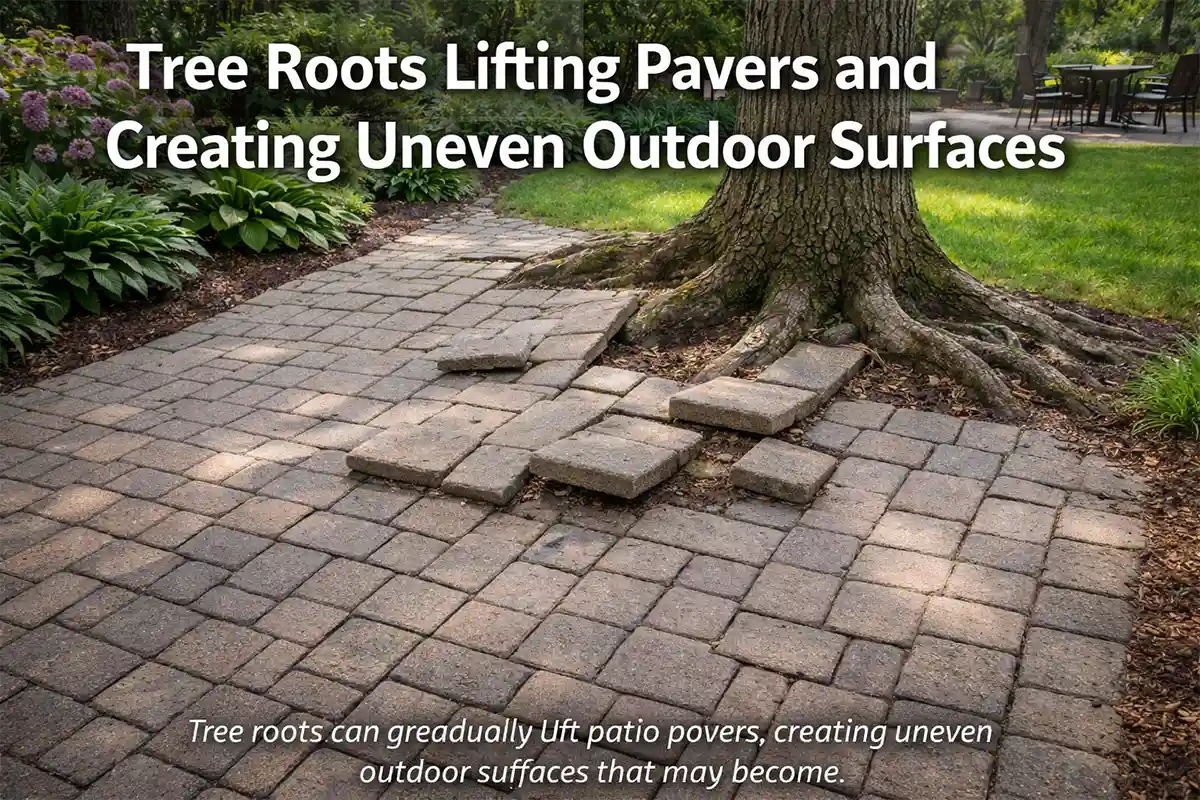
Tree Roots Lifting Pavers and Creating Uneven Outdoor Surfaces

Tree roots pushing up patio pavers near a mature backyard tree, creating an uneven outdoor walkway surface.

Uneven patio stones and walkway pavers often appear when nearby trees expand their root systems beneath outdoor hardscape areas. As roots gradually thicken, they push against the soil and the base layer that supports paving materials. Over time this pressure can lift individual pavers, creating ridges, tilted stones, or uneven outdoor walking surfaces. The most … Read more

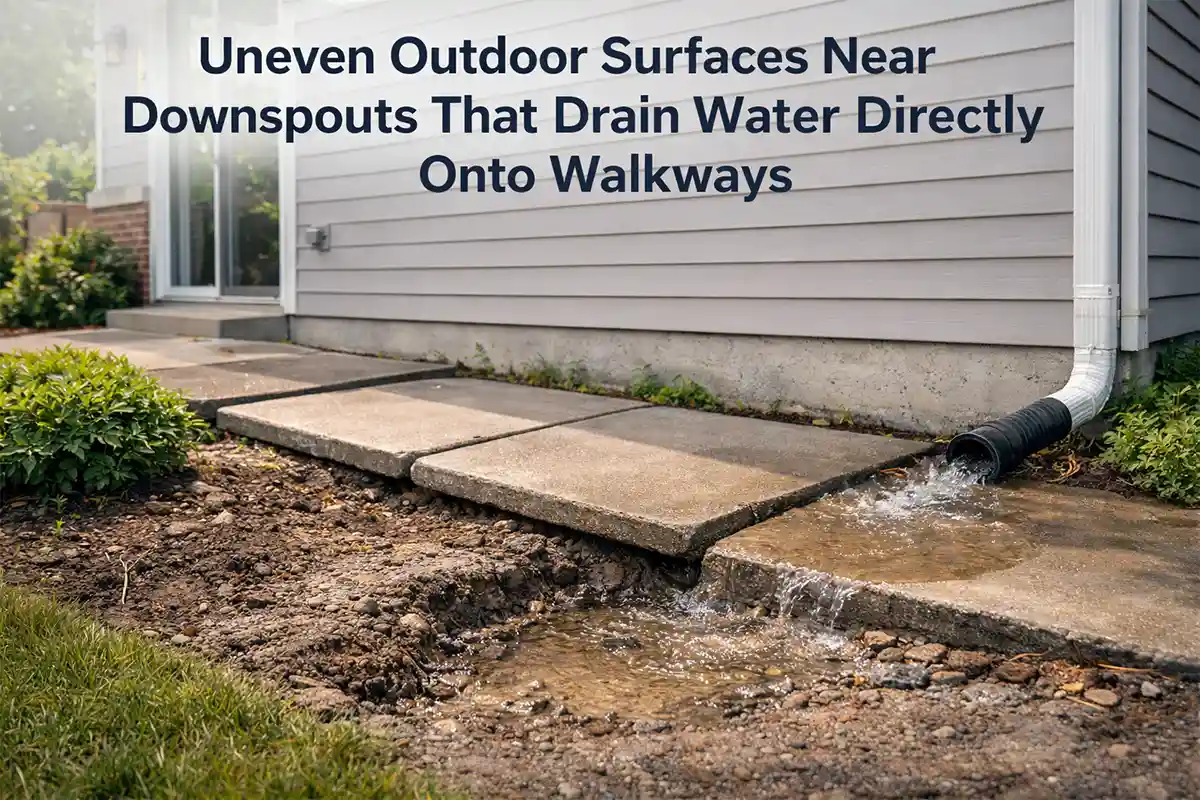
Uneven Outdoor Surfaces Near Downspouts That Drain Water Directly Onto Walkways

Residential walkway showing slight unevenness and damp surface where a roof downspout drains water directly onto the pavement.

Field Observation Routine yard maintenance often reveals subtle patterns that develop gradually around a home’s exterior. While clearing leaves, trimming plants, or washing outdoor surfaces, certain sections of pavement may start to feel slightly different underfoot. What once felt firm and level may begin to show small height changes or areas that feel softer than … Read more